


Refractive error (Myopia - Hyperopia - Astigmatism)
A refractive error occurs when light entering the eye is not focused at a precise point coinciding with the central retina.
Read article ↗
Eye conditions · 1 MIN READ
WHAT YOU NEED TO KNOW
Presbyopia is the age-related loss of the eye's natural ability to obtain clear near vision.
In a young, healthy eye, near vision is achieved naturally and without symptoms through accommodation. During accommodation, intrinsic eye muscles reflexively change the curvature of the crystalline lens (the eye's natural, transparent lens) until nearby images are sharp.
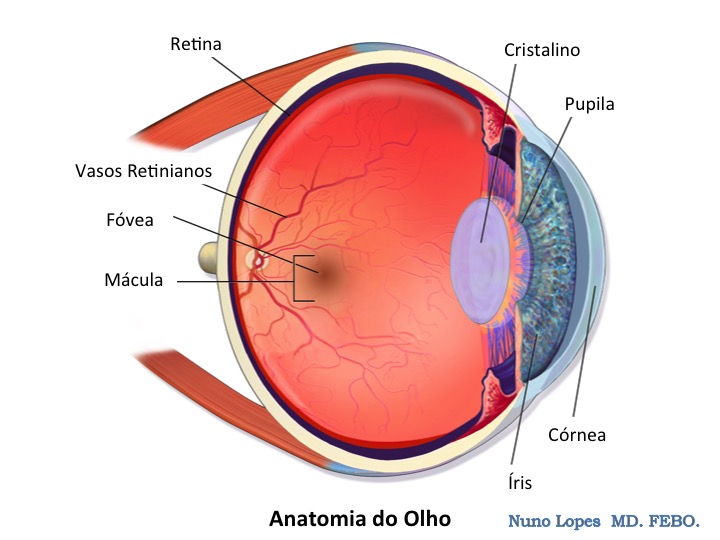
With age, however, the lens contents become harder, and increasing stiffness gradually prevents near focusing.
As long as accommodation is sufficient for daily life, ageing of this system causes no symptoms.
The first symptoms of presbyopia may be fatigue or difficulty with detailed close work, with or without the need to move an object further away to see it more clearly.
Presbyopia treatment usually involves optical aids such as reading or progressive glasses, progressive or monovision contact lenses, and surgery.
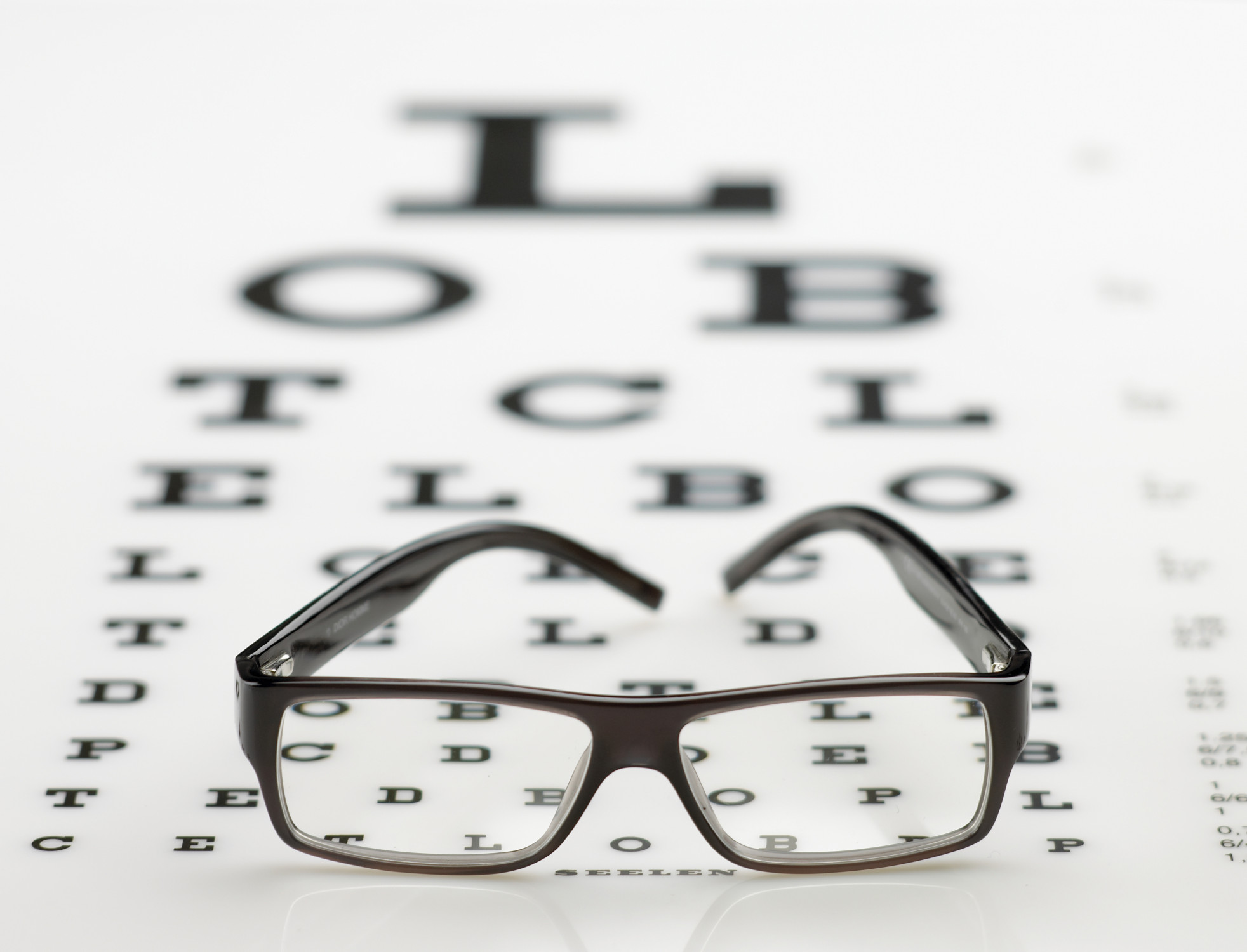
Glasses
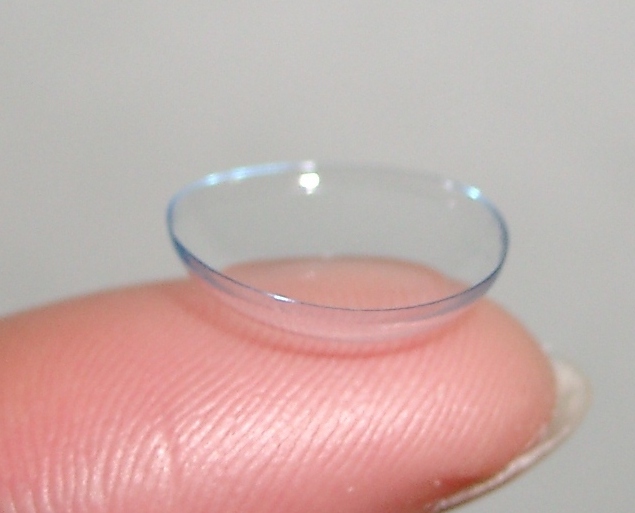
Contact lens
Multifocal intraocular lens
This information does not replace an individual medical assessment. Follow the advice of the team looking after you.
Dr. Nuno Lopes · Patient information
Editorial presentation updated on 27 October 2026. Your team's individual instructions take priority.
CONTINUE READING
A refractive error occurs when light entering the eye is not focused at a precise point coinciding with the central retina.
Read article ↗
Explore the differences between FemtoLASIK and PRK in a comparative animation of laser refractive surgery.
Read article ↗
Lens implantation in a phakic eye, one that retains its natural lens, is usually used to correct refractive errors in patients who are not…
Read article ↗