


Cataract
Cataract is a major global cause of reversible blindness and involves hardening and clouding of the eye's natural lens.
Read article ↗
EYE HEALTH · DR. NUNO LOPES
Learn about the main conditions that can affect your eye health.
Cataract is a major global cause of reversible blindness and involves hardening and clouding of the eye's natural lens.
Read article ↗
Glaucoma is currently one of the world's leading causes of irreversible blindness.
Read article ↗High eye pressure is not the same as glaucoma. Understand the difference, the tests and the importance of personalised follow-up.
Read article ↗
Presbyopia is the age-related loss of the eye's natural ability to obtain clear near vision.
Read article ↗
A refractive error occurs when light entering the eye is not focused at a precise point coinciding with the central retina.
Read article ↗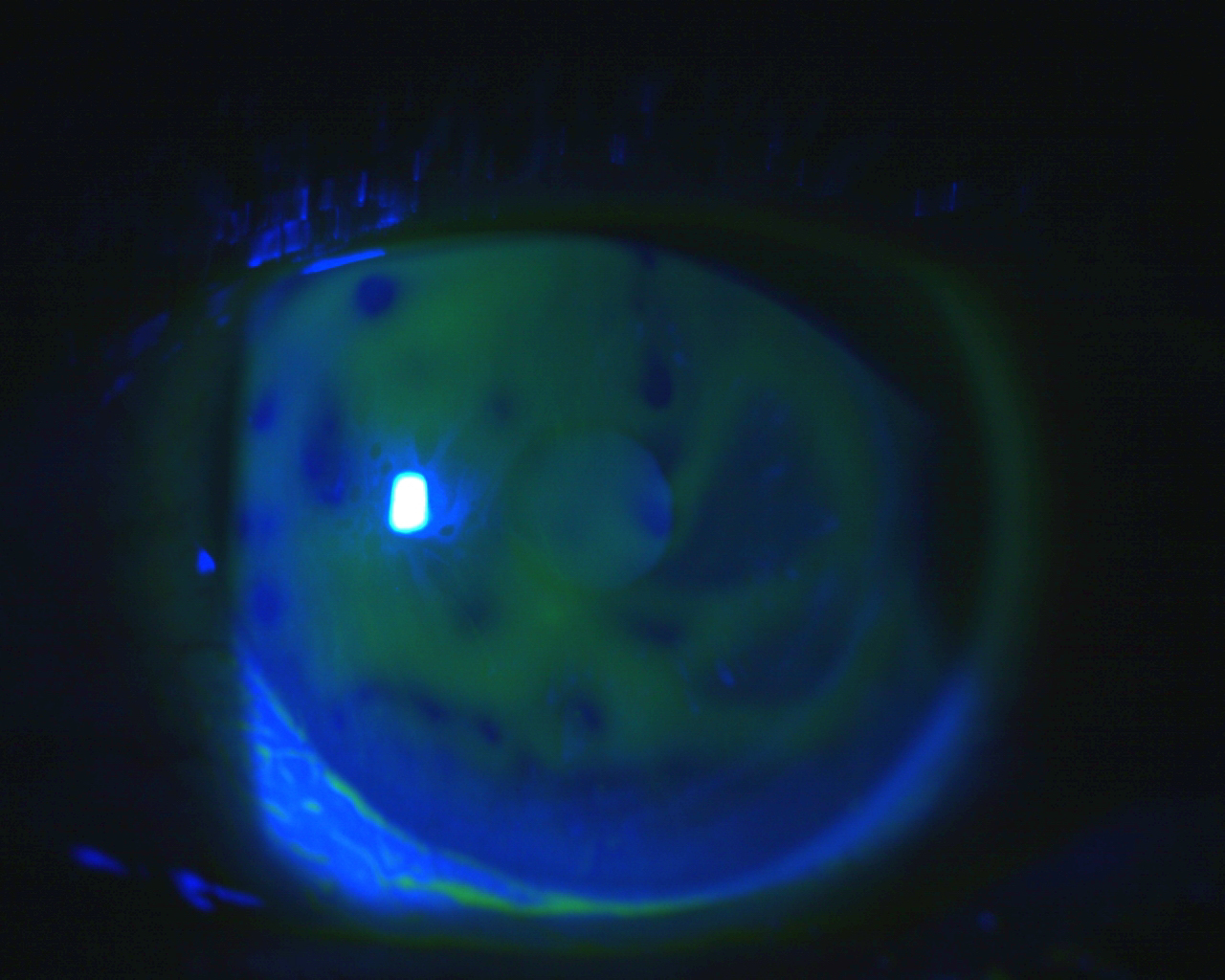
Dry eye is the common term for a qualitative or quantitative deficiency of the tear film covering the eye's surface. It is a very…
Read article ↗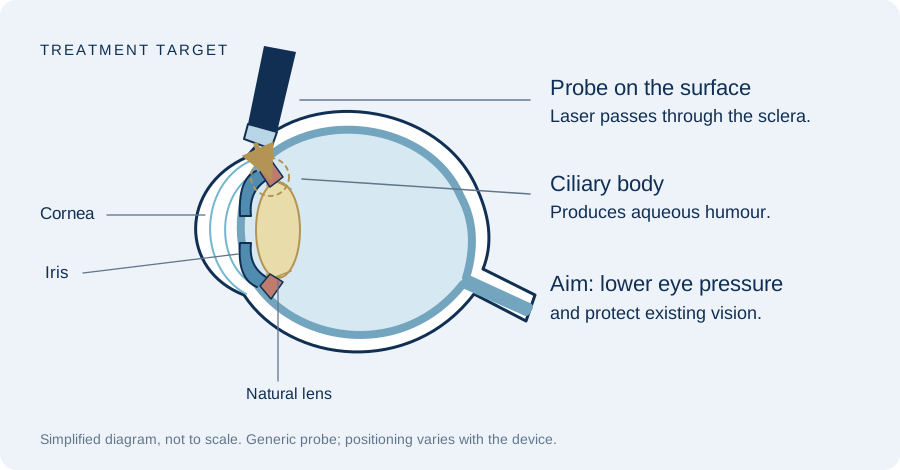
Micropulse and conventional G-probe laser: how they work, when they are considered and what to expect during recovery.
Read article ↗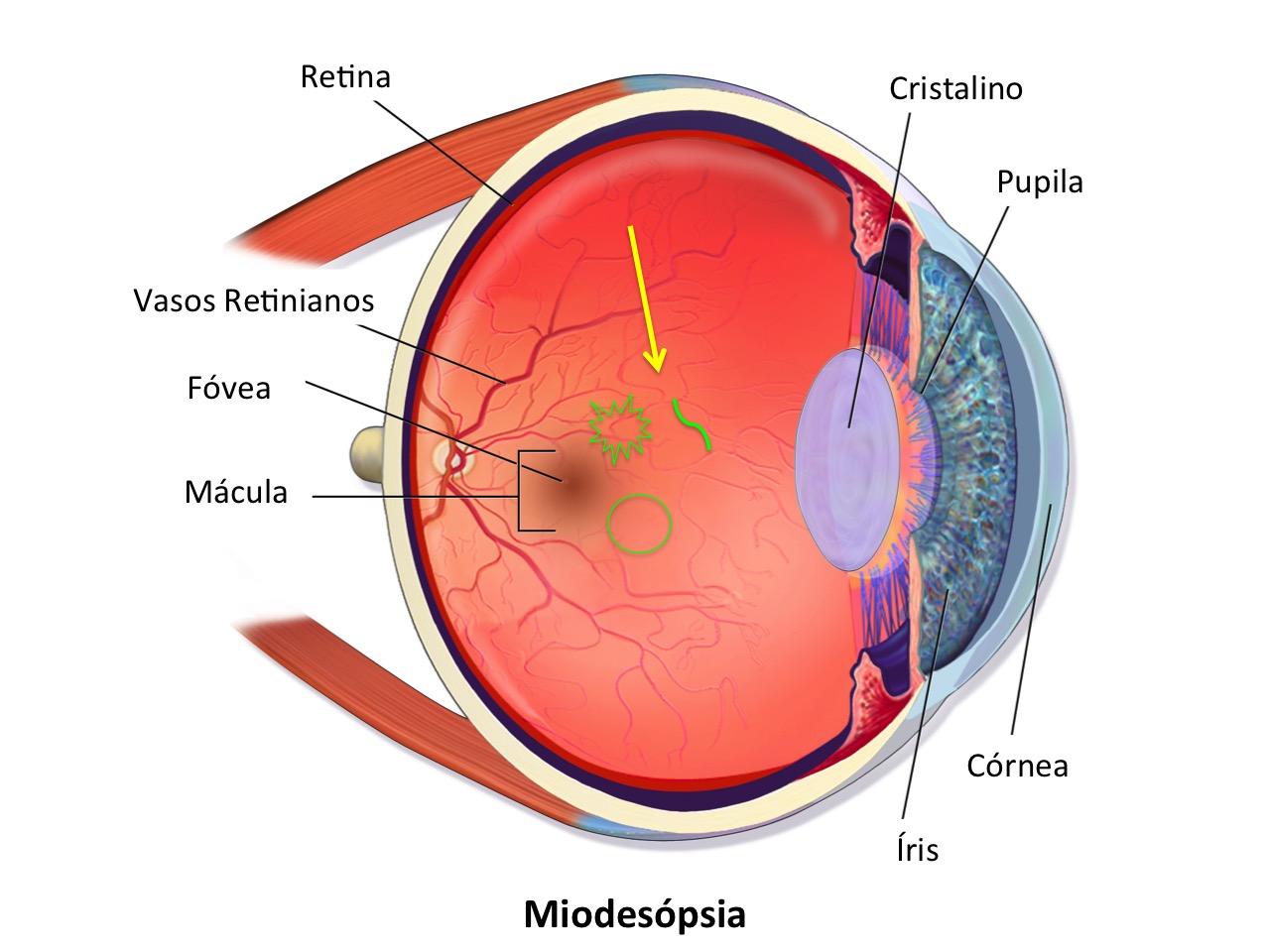
Floaters are a very common symptom that becomes more frequent with age.
Read article ↗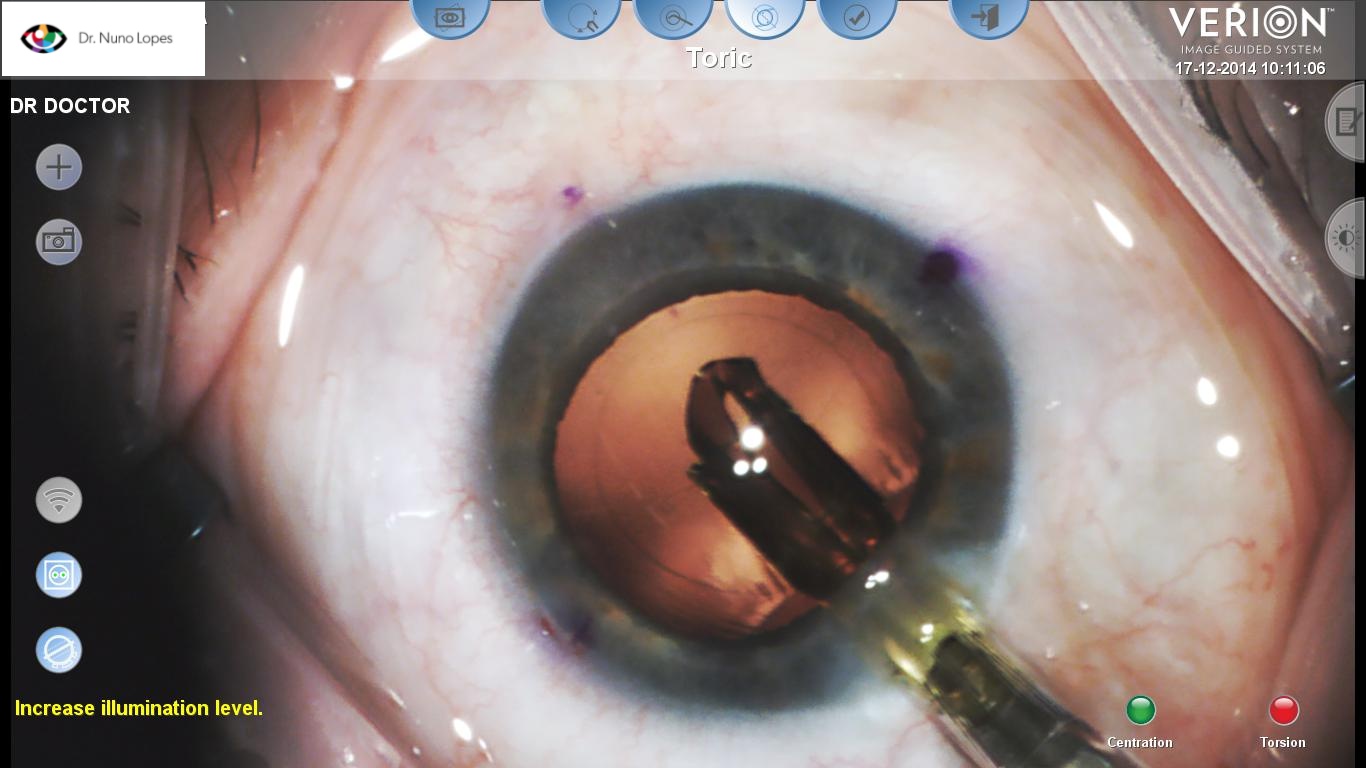
Surgical correction of refractive errors is now highly predictable, but deviations from the intended correction can sometimes occur and…
Read article ↗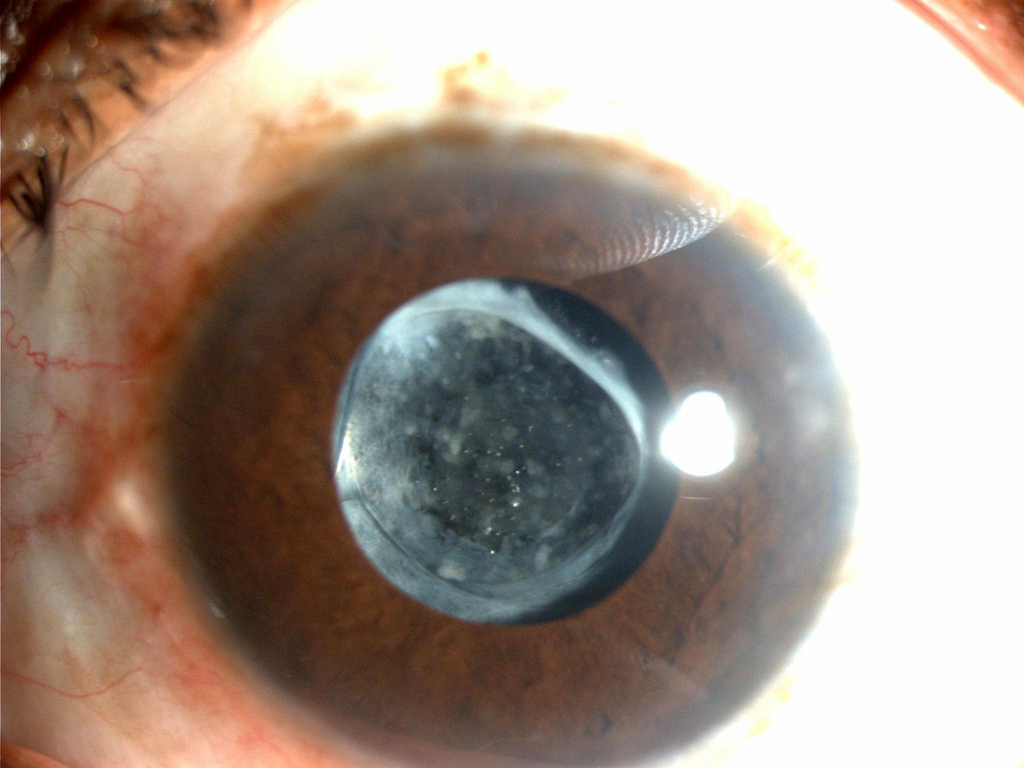
The expression “a dirty intraocular lens” is sometimes used to describe clouding of the back of the capsular bag where…
Read article ↗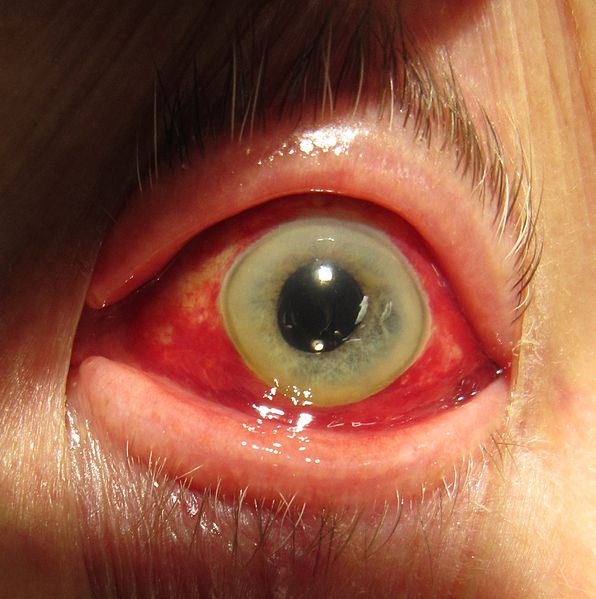
A red eye is one of the clinical signs that most often prompts an urgent consultation.
Read article ↗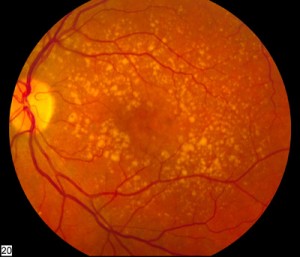
Age-related macular degeneration (AMD) is a chronic and usually progressive disease of the central retina, the macula.
Read article ↗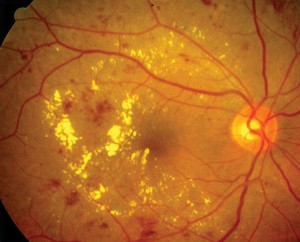
Diabetic retinopathy (DR) is the most common eye complication of diabetes and a major cause of blindness worldwide.
Read article ↗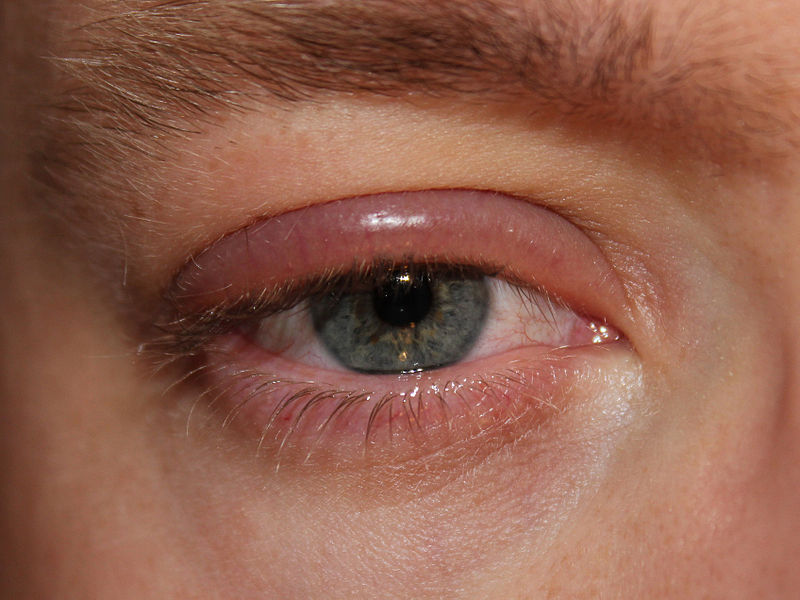
Blepharitis is inflammation of the eyelids and is very common. It has multiple causes and is often chronic, although it may also occur…
Read article ↗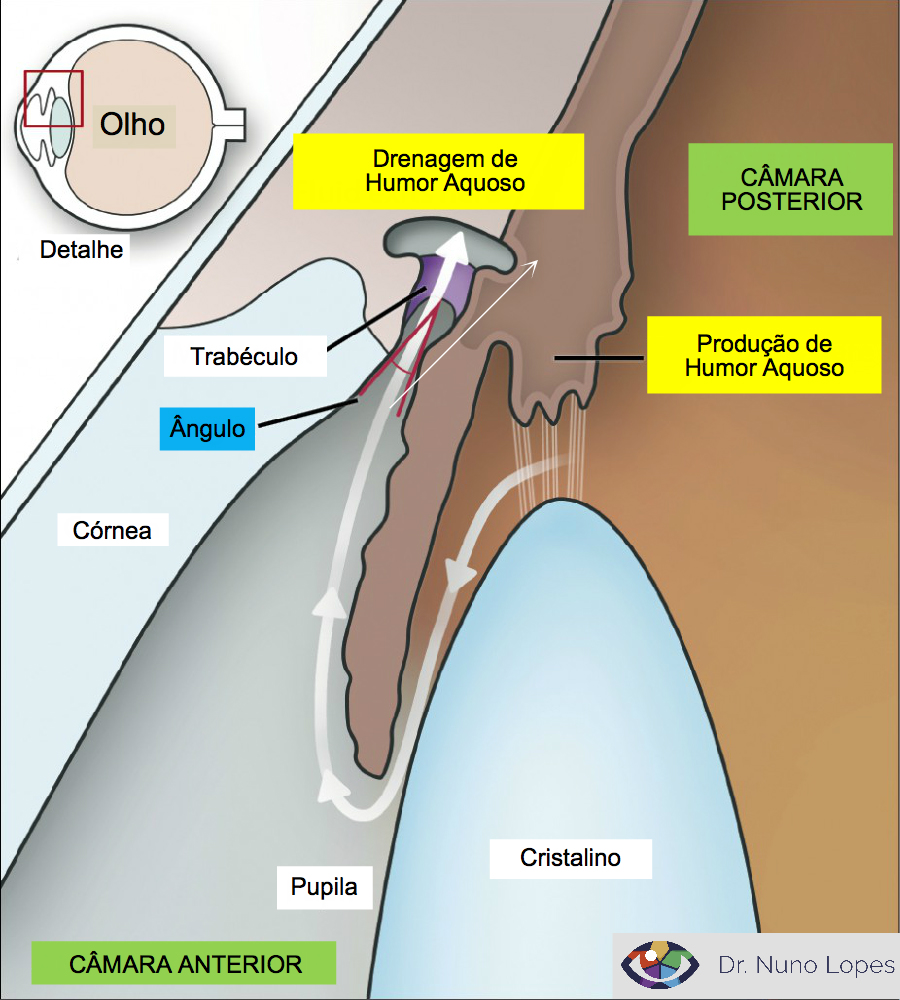
Intraocular pressure (IOP), or eye pressure, measures the pressure or force inside the eyeball.
Read article ↗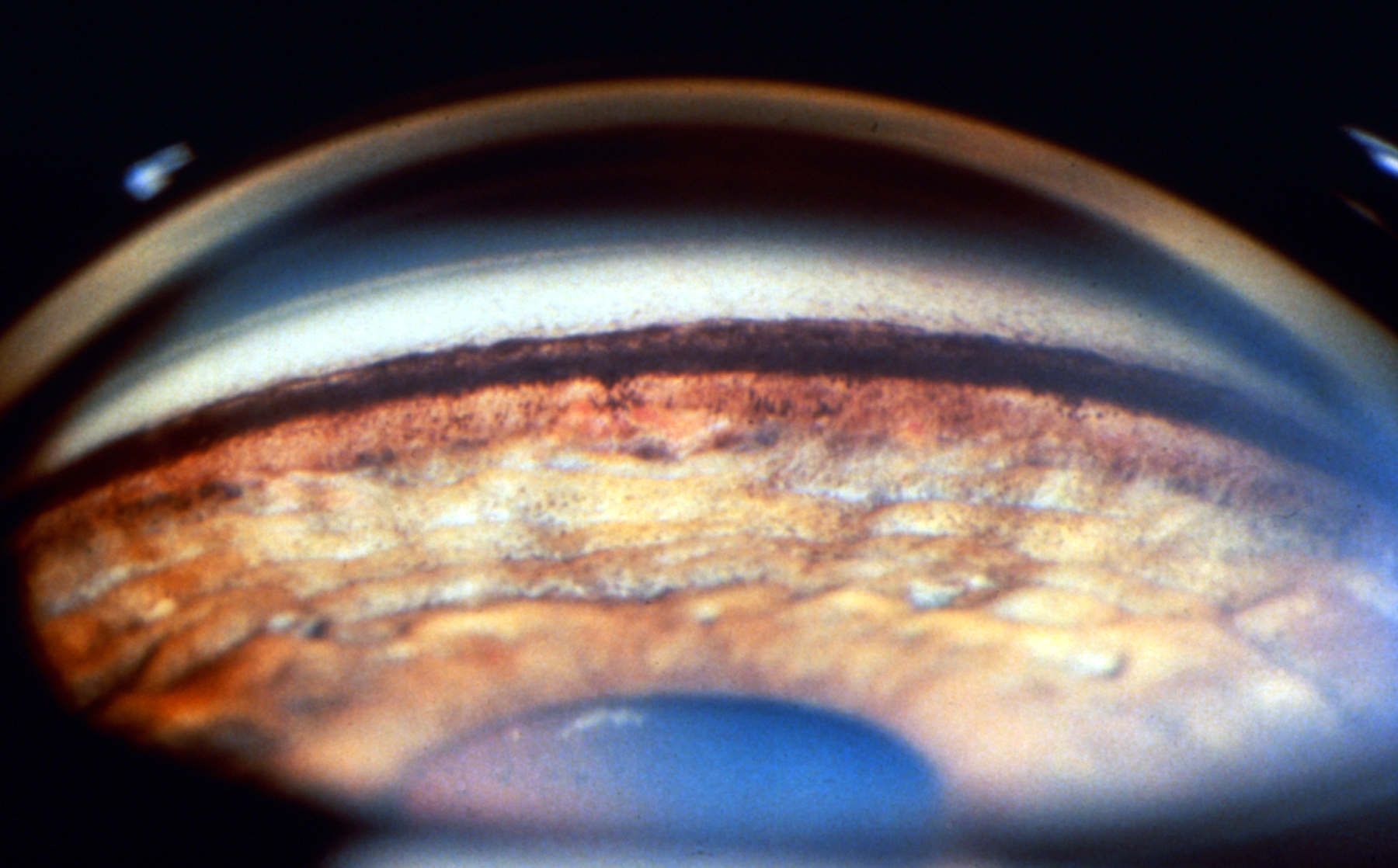
Glaucoma is a progressive optic neuropathy that produces characteristic anatomical changes in the optic nerve and corresponding loss of…
Read article ↗The expression “a dirty intraocular lens” is sometimes used to describe clouding of the back of the capsular bag where…
Read article ↗
Vision screening continues to be carried out regularly by the paediatrician between 6 months and one year of age.
Read article ↗
As there is no definitive cure, the main aim of glaucoma treatment is to reduce risk factors for progression. Among…
Read article ↗
The most common types of glaucoma, open-angle glaucoma, are usually symptom-free. Early diagnosis is therefore generally made by an…
Read article ↗The optic nerve (ON) carries images captured by the eye to the brain. As nervous tissue, the ON consists of millions of…
Read article ↗
Surgery on the natural lens offers an opportunity to correct the eye's existing refractive error. To do this…
Read article ↗
Eye conditions: high myopia, pseudoexfoliation, uveitis, injury, retinal and corneal surgery, haemorrhage
Read article ↗
The vast majority of glaucomas are completely symptom-free. Several factors contribute to this:
Read article ↗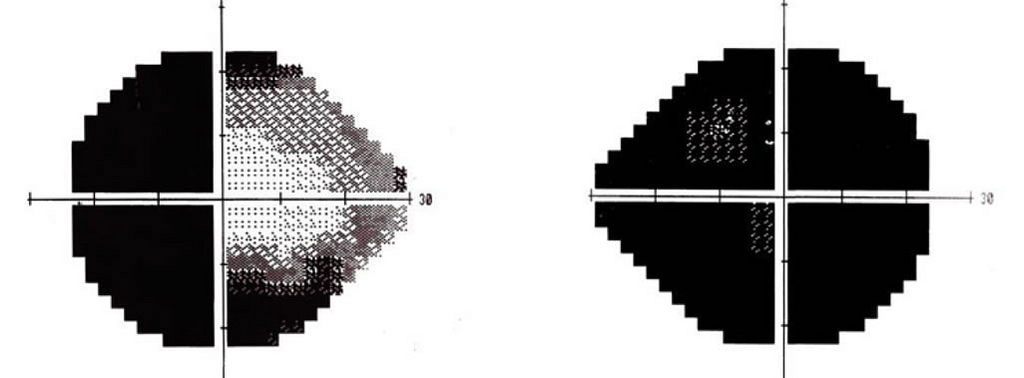
Many factors help determine the prognosis of glaucoma. Because the disease has no symptoms and established damage is…
Read article ↗There is no universal rule. Around 75% of glaucoma is open-angle, with the rest being narrow-angle or angle-closure. Although less…
Read article ↗
Generally, no. Laser and surgical treatments aim to optimise control of intraocular pressure, thereby limiting the progression of…
Read article ↗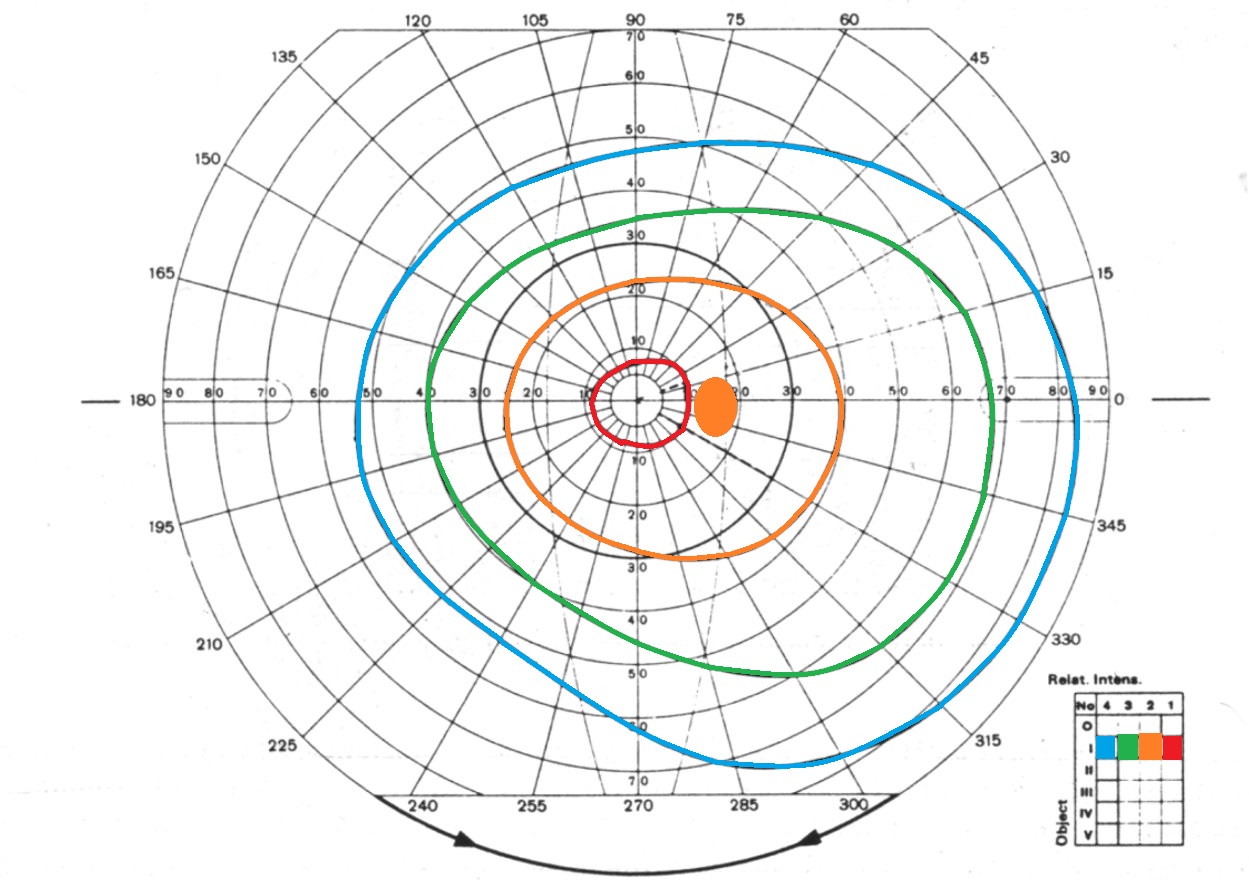
Vision loss caused by optic nerve damage in glaucoma is irreversible. Available treatments aim to control intraocular pressure and…
Read article ↗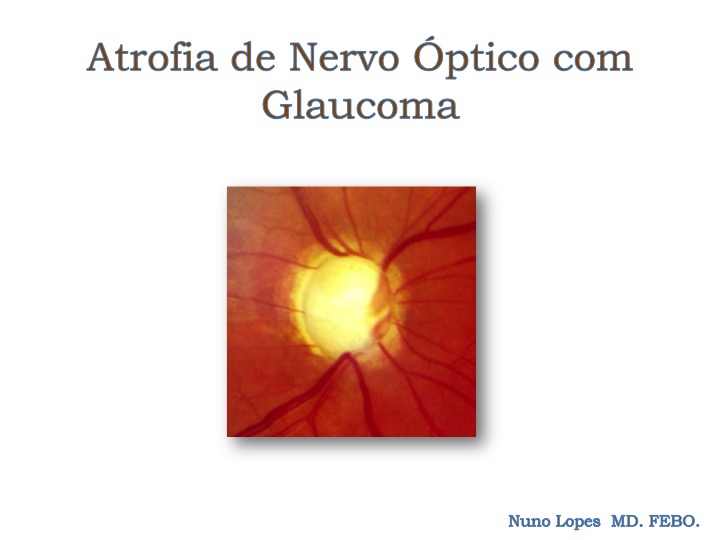
Glaucoma is undoubtedly a major problem nationally and worldwide, but fortunately blindness affects only a minority of treated patients.
Read article ↗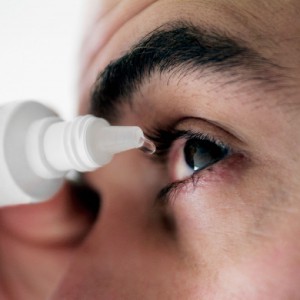
• Wash your hands • Sit or lie down with your head tilted back • Gently lower the bottom eyelid and apply the drop or…
Read article ↗
Information on low vision, support and visual disability. Download the information document Association for Blind and Partially Sighted People –…
Read article ↗
Vision assessment forms part of the assessment of fitness to drive. When necessary, an ophthalmology consultation can document visual function and…
Read article ↗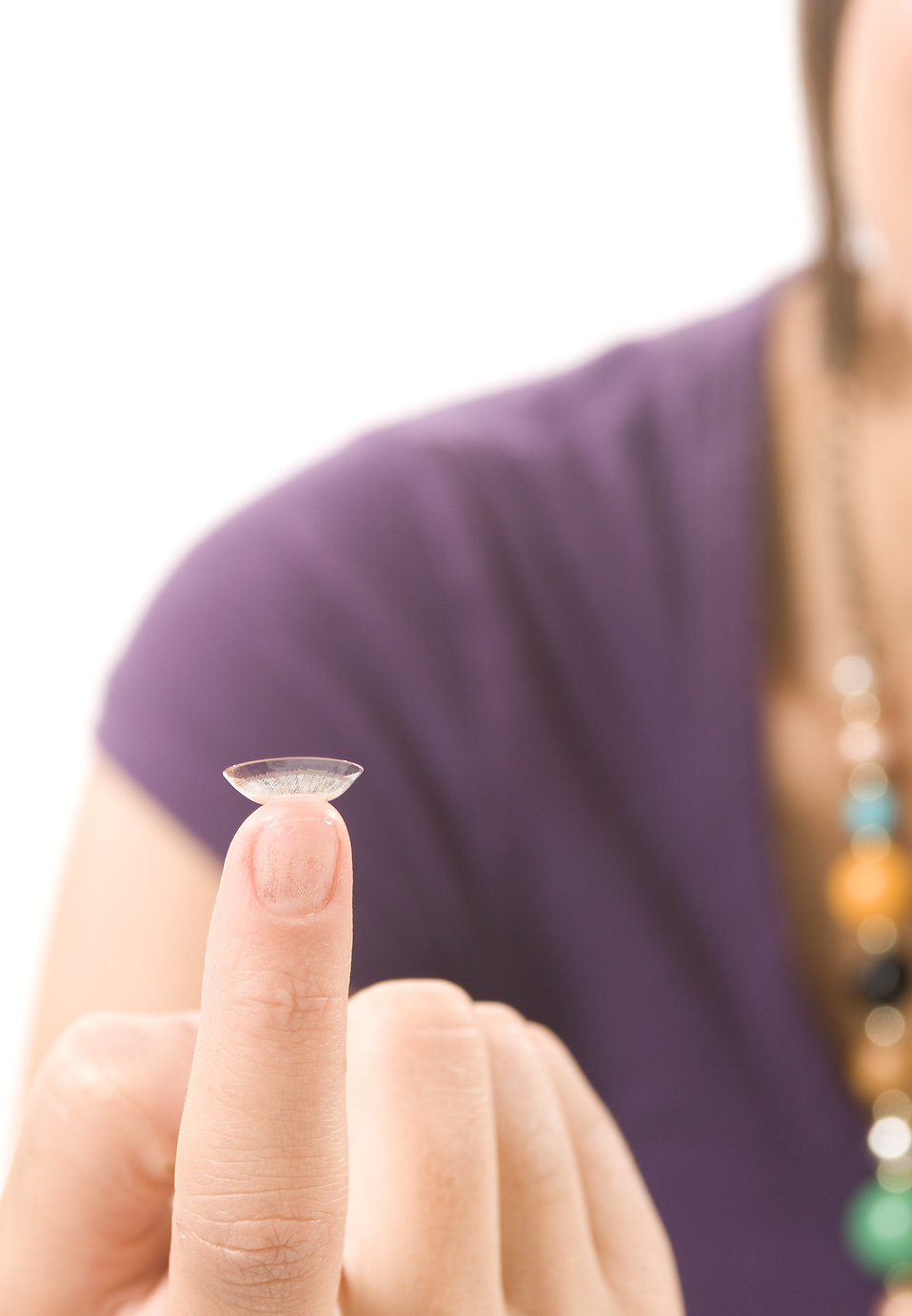
Read the care guide for contact lens wearers. Download the contact lens guide
Read article ↗
After cataract surgery, follow the individual instructions given by your surgical team.
Read article ↗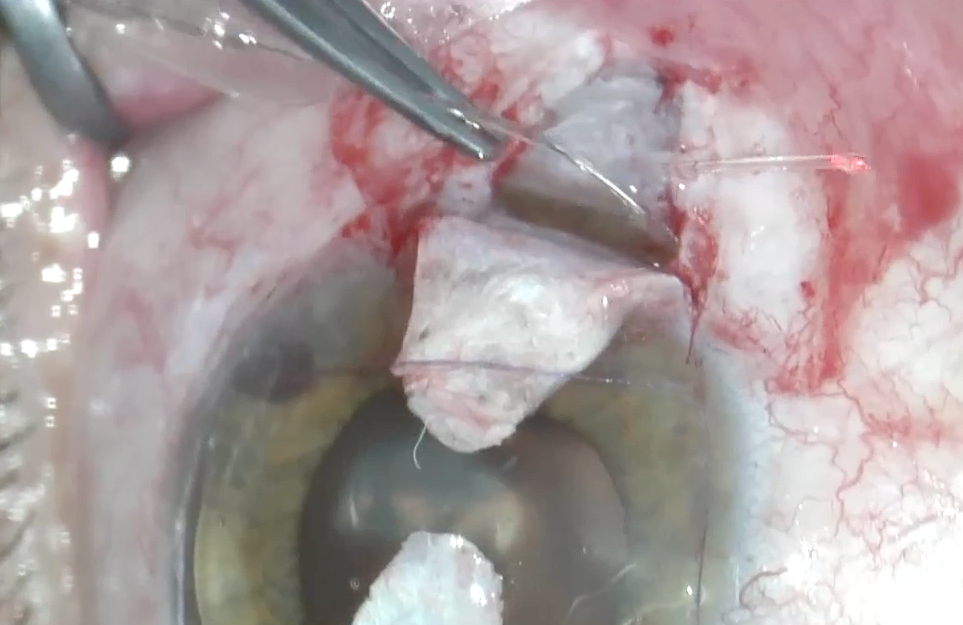
Canaloplasty is a non-penetrating glaucoma operation intended to restore and improve physiological drainage of aqueous humour.
Read article ↗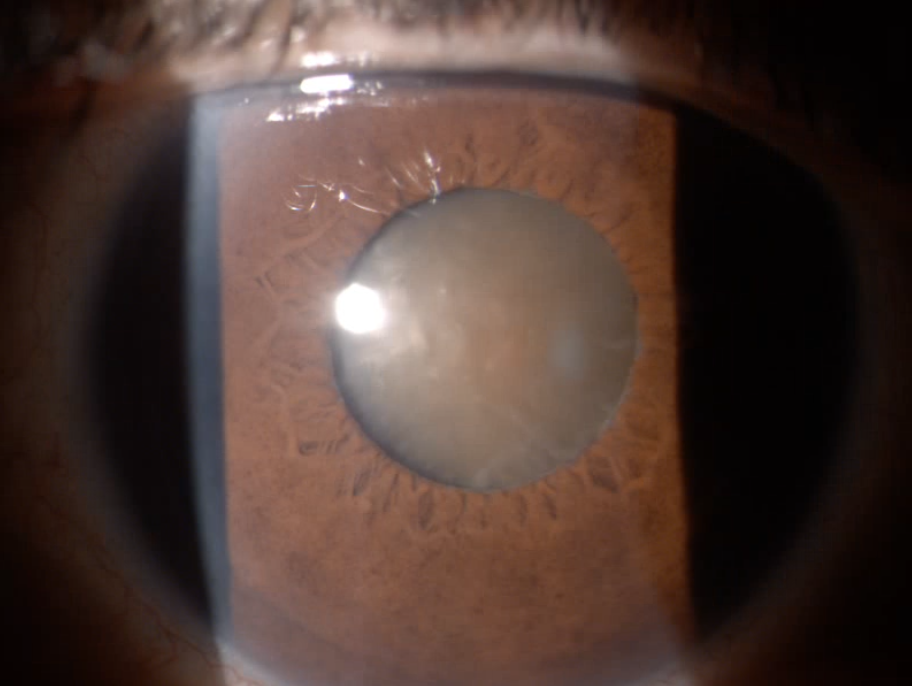
In clinical practice, routine cataract surgery has become a very predictable procedure. However, some surgical cases remain particularly challenging.
Read article ↗
Refractive lens surgery is the most commonly used surgical method to achieve independence from glasses in patients with presbyopia (loss of near…
Read article ↗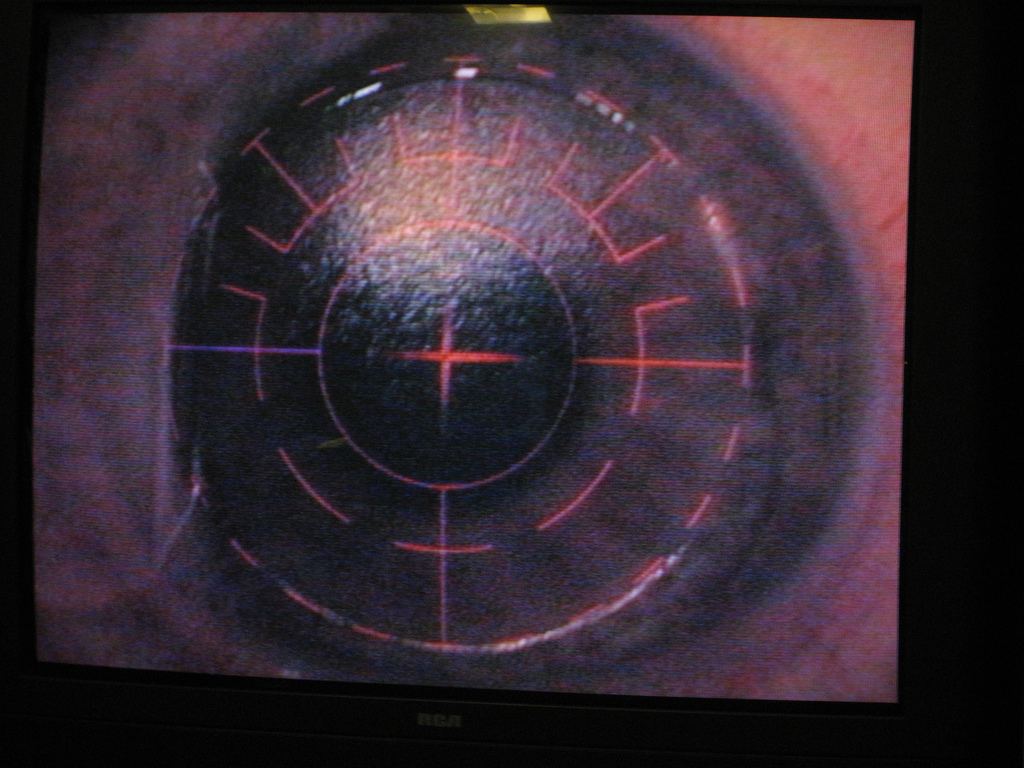
Explore the differences between FemtoLASIK and PRK in a comparative animation of laser refractive surgery.
Read article ↗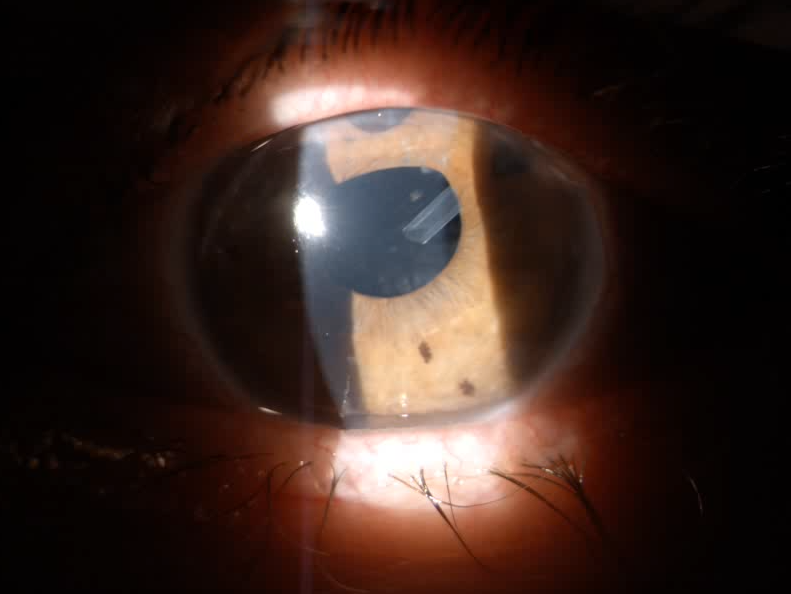
PRESERFLO, Ahmed FP7, PAUL and ClearPath: discover the implants I use and see how they help drain aqueous humour.
Read article ↗
Deep sclerectomy is the most widely used non-penetrating glaucoma operation worldwide.
Read article ↗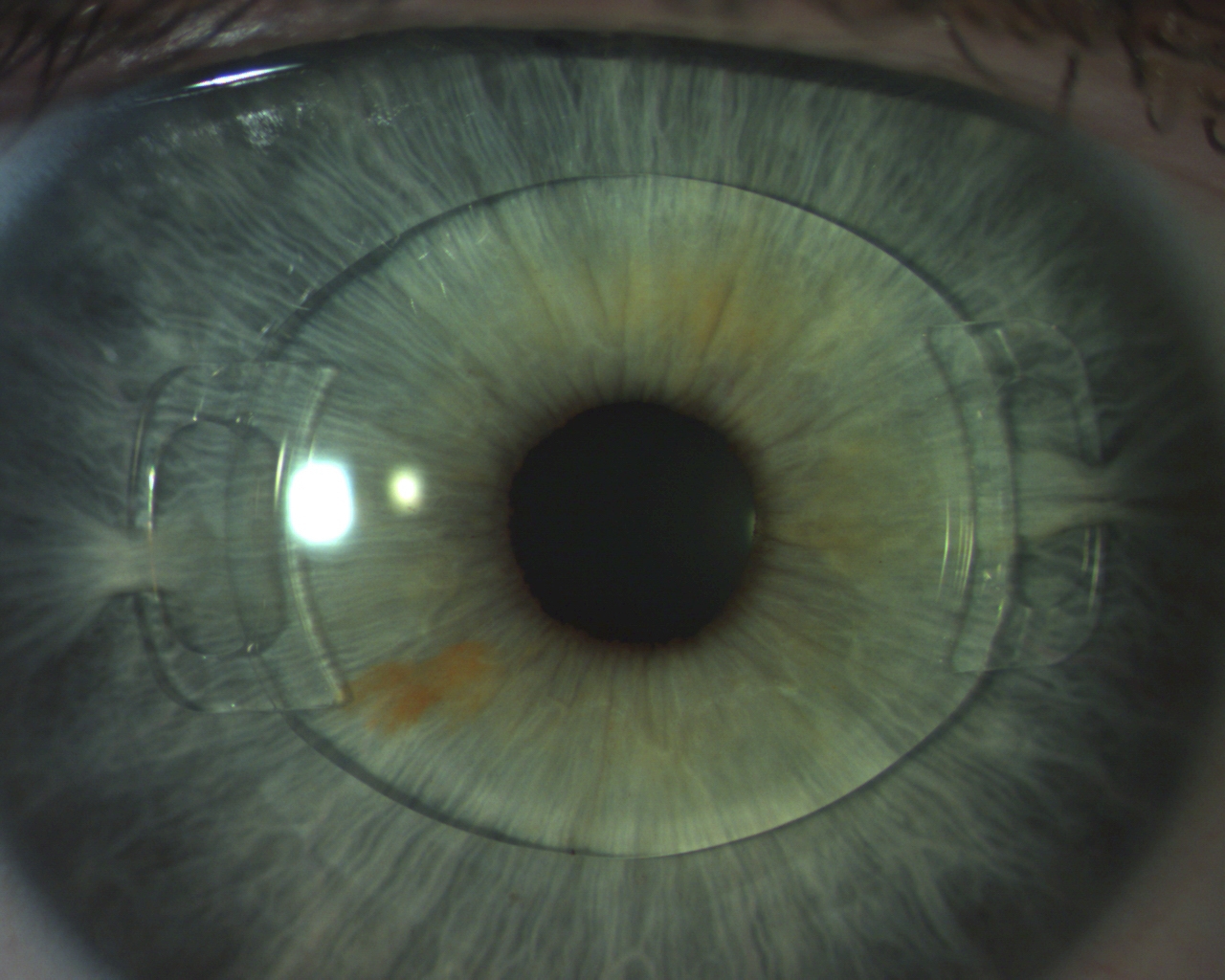
Lens implantation in a phakic eye, one that retains its natural lens, is usually used to correct refractive errors in patients who are not…
Read article ↗Learn about safer trabeculectomy and explore an animation of drainage controlled by a scleral flap, following an approach similar to Moorfields Safer Surgery.
Read article ↗Alcon – VERION and ZEISS CALLISTO eye: digital guidance systems I use to support cataract surgery and alignment of toric intraocular lenses.
Read article ↗No content found. Try another search.