


Ocular hypertension and glaucoma: what is the difference?
High eye pressure is not the same as glaucoma. Understand the difference, the tests and the importance of personalised follow-up.
Read article ↗
Questions and Guidance · 1 MIN READ
WHAT YOU NEED TO KNOW
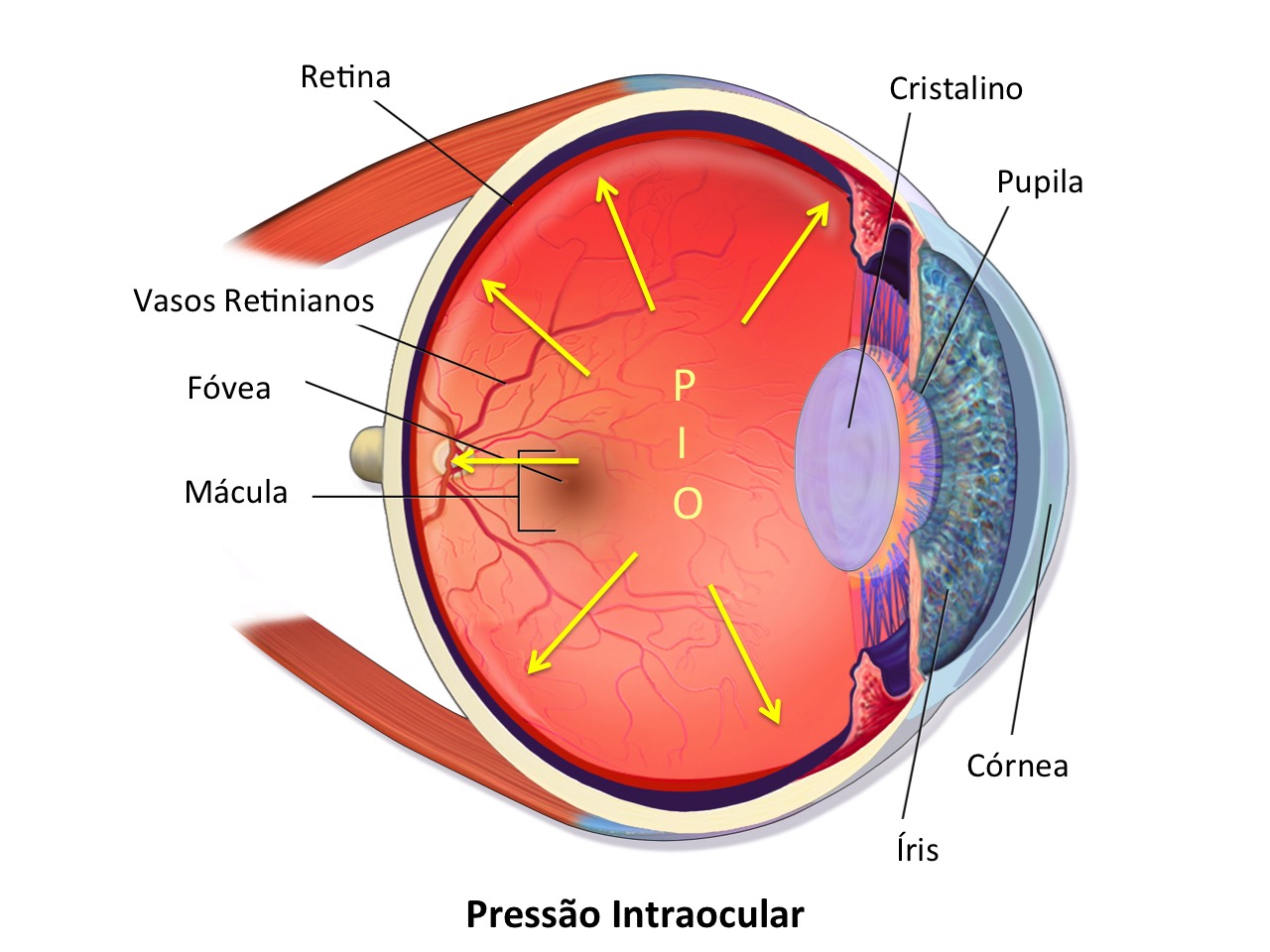
Intraocular pressure (IOP), or eye pressure, measures the pressure or force inside the eyeball.
Its level reflects the balance between the production and drainage of aqueous humour, the fluid produced by the ciliary body at the junction between the front and back parts of the eye.
Normal values vary between populations and individuals. Values above 21 mmHg are generally considered ocular hypertension, but conclusions should not be drawn from an isolated IOP reading. The average value in the Caucasian population is 16 mmHg.
IOP fluctuates by up to about 5 mmHg during the day in healthy individuals and may fluctuate more in patients with glaucoma. Several factors influence IOP fluctuation, including seasonal changes and posture.
Higher IOP is associated with a greater risk of developing glaucoma and of its progression.
This information does not replace an individual medical assessment. Follow the advice of the team looking after you.
Dr. Nuno Lopes · Patient information
Editorial presentation updated on 27 October 2026. Your team's individual instructions take priority.
KEEP EXPLORING
High eye pressure is not the same as glaucoma. Understand the difference, the tests and the importance of personalised follow-up.
Read article ↗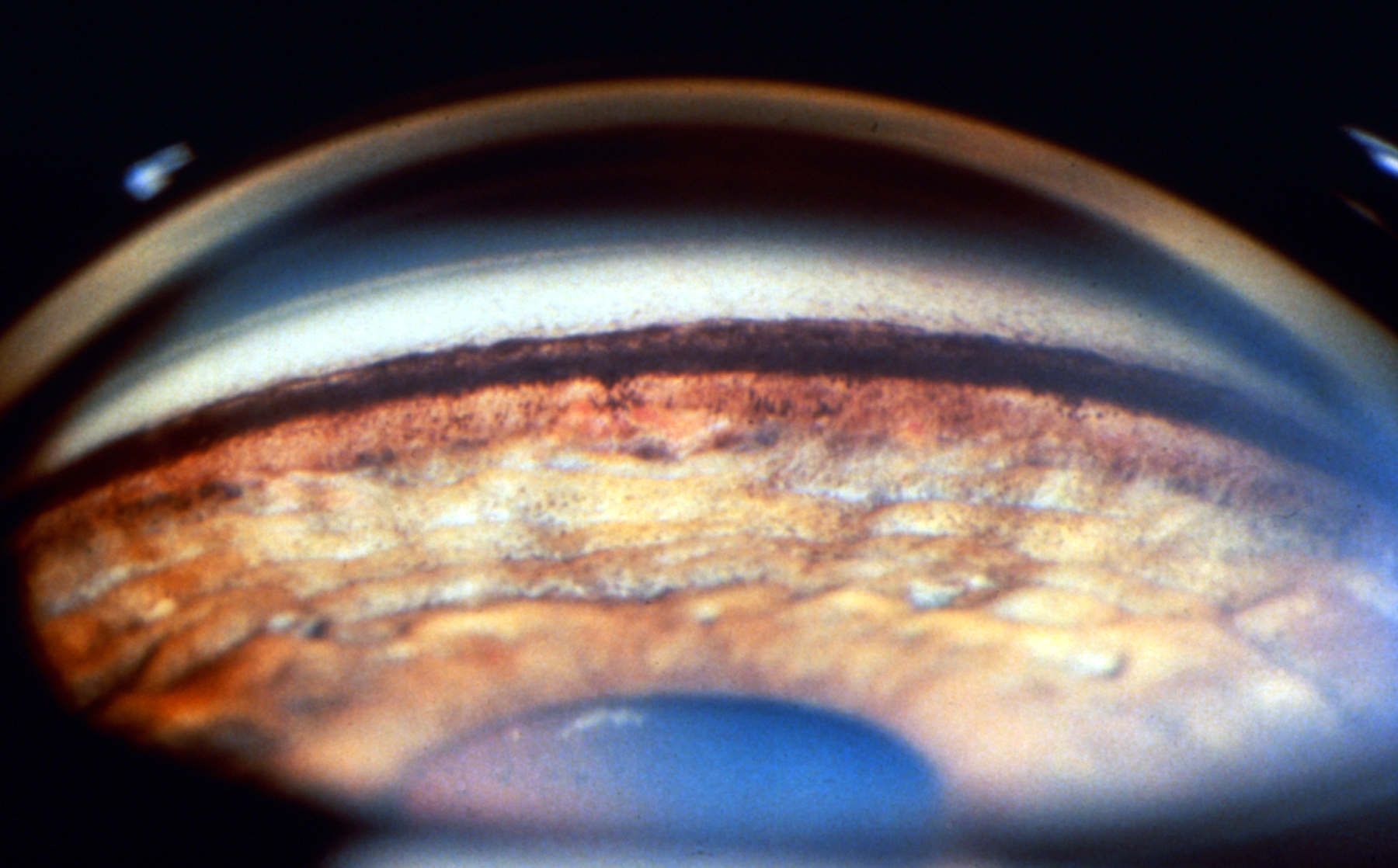
Glaucoma is a progressive optic neuropathy that produces characteristic anatomical changes in the optic nerve and corresponding loss of…
Read article ↗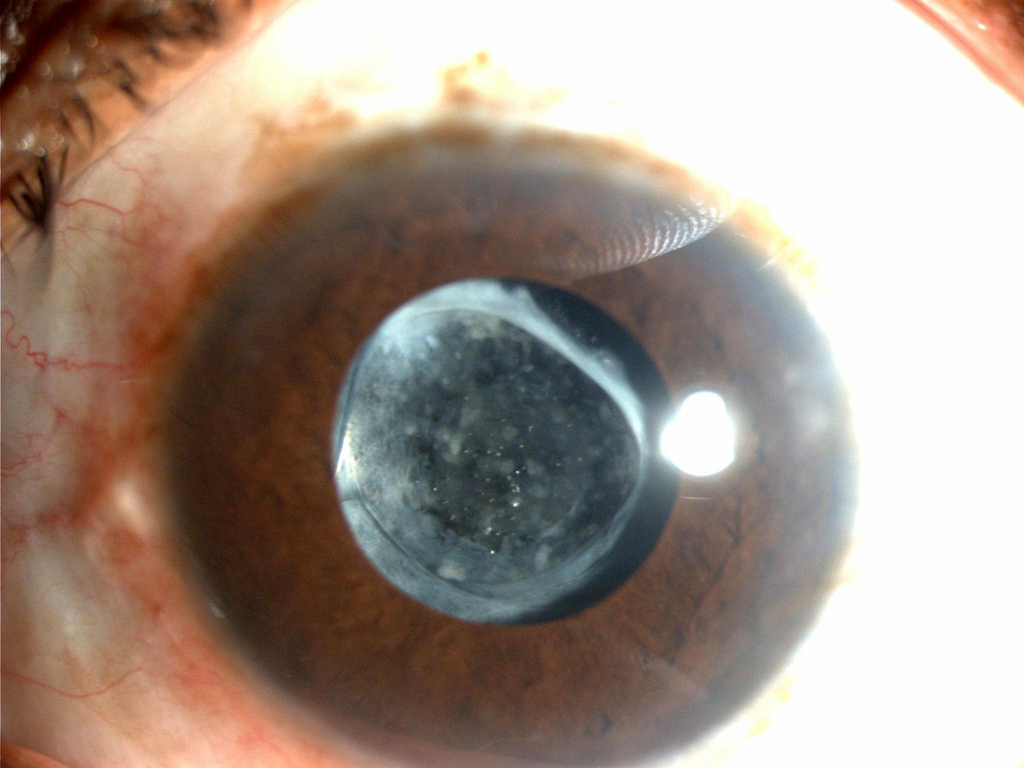
The expression “a dirty intraocular lens” is sometimes used to describe clouding of the back of the capsular bag where…
Read article ↗
Vision screening continues to be carried out regularly by the paediatrician between 6 months and one year of age.
Read article ↗