


What is intraocular pressure or eye pressure?
Intraocular pressure (IOP), or eye pressure, measures the pressure or force inside the eyeball.
Read article ↗
Questions and Guidance · 3 MIN READ
Having high eye pressure does not, on its own, mean that you have glaucoma. Although related, they are different conditions.
Ocular hypertension means that the pressure inside the eye is persistently raised, without detectable glaucomatous damage to the optic nerve or corresponding visual field changes.
It is a risk factor: some people may develop glaucoma, while others remain free of damage. Monitoring is therefore necessary, but immediate treatment is not always needed.
Glaucoma is a disease that damages the optic nerve, which carries visual information from the eye to the brain. It can cause progressive, irreversible loss of vision, often starting with peripheral vision.
High eye pressure is a major risk factor, but glaucoma can also occur at pressure levels considered normal. The pressure that the optic nerve can tolerate varies from person to person.
Measuring eye pressure alone cannot confirm or rule out glaucoma. Assessment includes examining the optic nerve, tests such as OCT and visual field testing, as well as measuring eye pressure and corneal thickness.
In the early stages, both ocular hypertension and glaucoma may go unnoticed. Seeing well and having no pain does not rule out the need for follow-up.
For ocular hypertension, regular monitoring may be sufficient. If the risk of developing glaucoma warrants it, preventive treatment to lower eye pressure may be recommended.
For glaucoma, treatment aims to preserve vision by lowering eye pressure with eye drops, laser or surgery, depending on the individual case. It does not restore vision already lost. Pressure controlled by treatment does not mean that glaucoma has been cured.
The key distinction is this: ocular hypertension means raised pressure without detectable glaucomatous damage; glaucoma means damage to the optic nerve. Monitoring and treatment are tailored to each person’s test results, risk factors and course over time.
This information does not replace an individual medical assessment. Follow the advice of the team looking after you.
Dr. Nuno Lopes · Patient information
Editorial presentation updated on 27 October 2026. Your team's individual instructions take priority.
CONTINUE READING
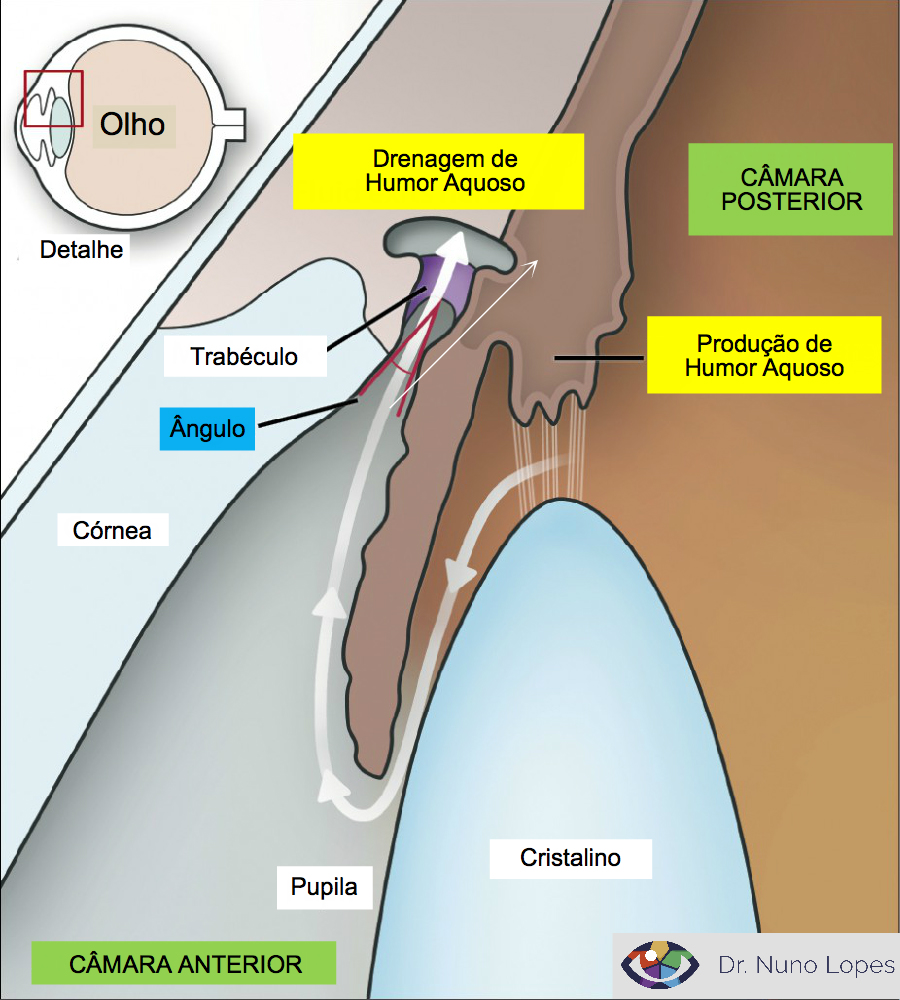
Intraocular pressure (IOP), or eye pressure, measures the pressure or force inside the eyeball.
Read article ↗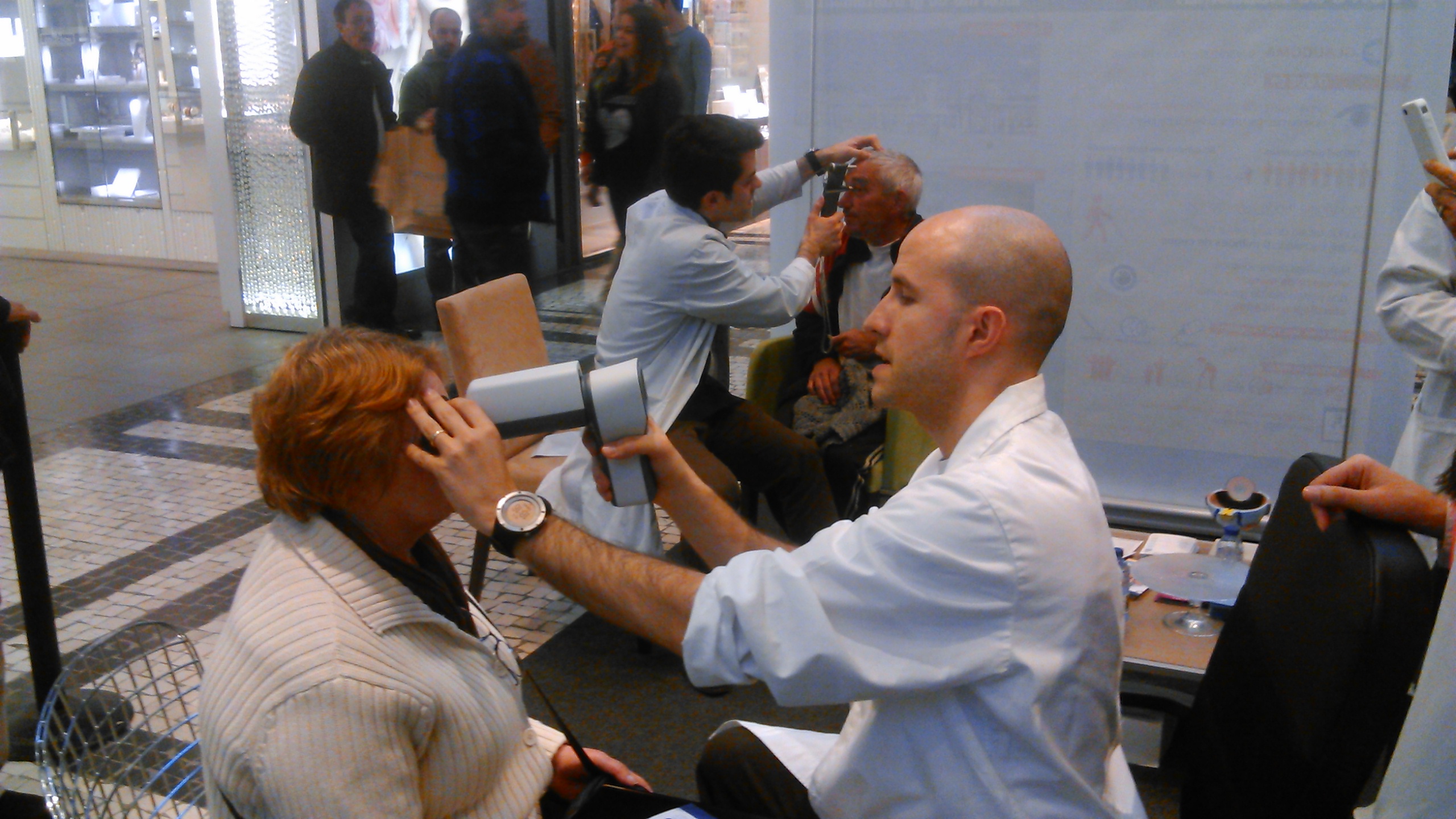
The most common types of glaucoma, open-angle glaucoma, are usually symptom-free. Early diagnosis is therefore generally made by an…
Read article ↗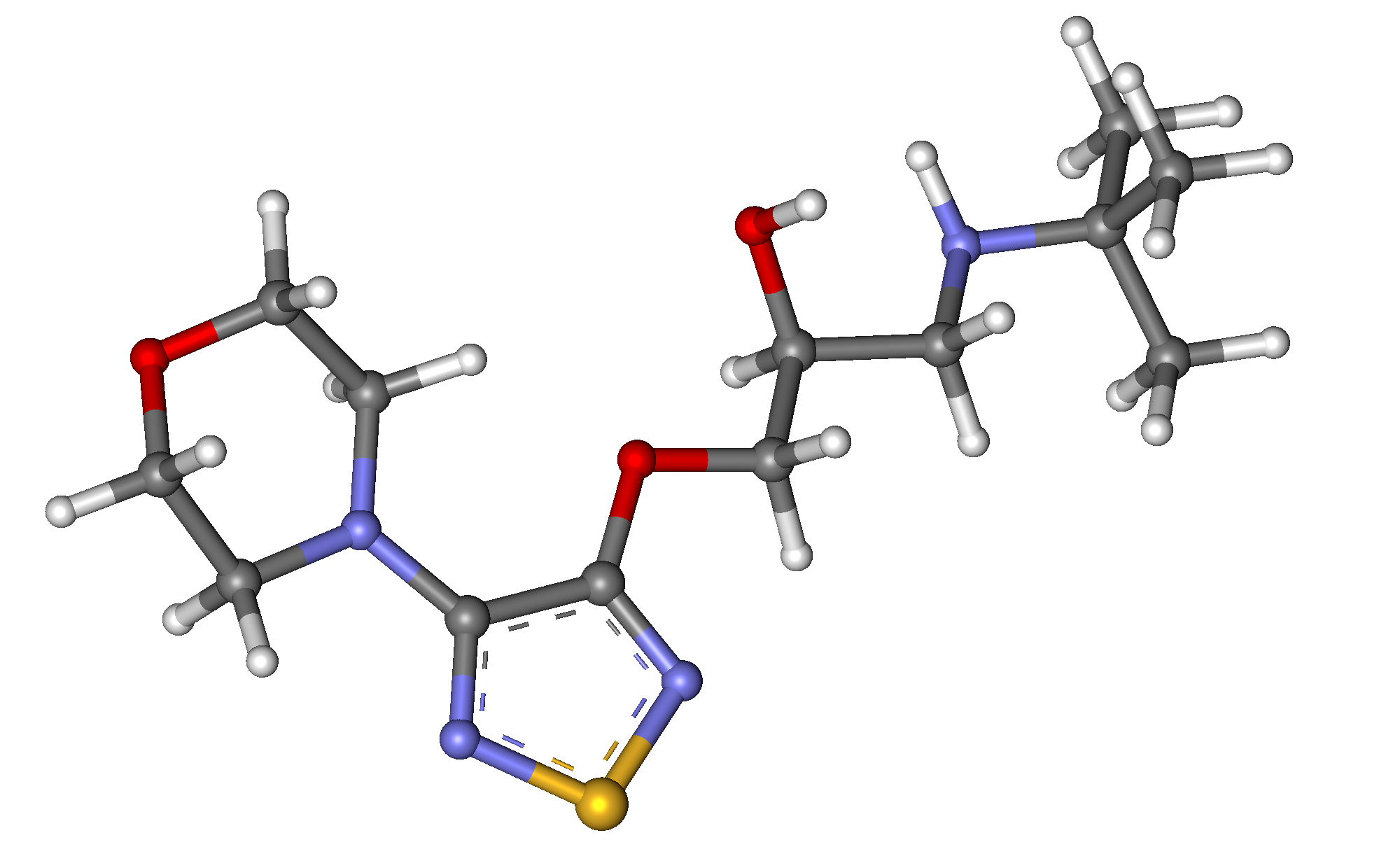
As there is no definitive cure, the main aim of glaucoma treatment is to reduce risk factors for progression. Among…
Read article ↗