


Ocular hypertension and glaucoma: what is the difference?
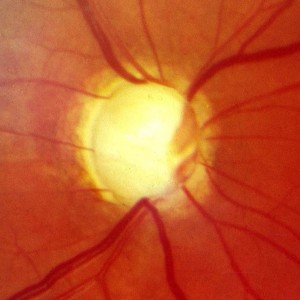
High eye pressure is not the same as glaucoma. Understand the difference, the tests and the importance of personalised follow-up.
Read article ↗
Questions and Guidance · 2 MIN READ
WHAT YOU NEED TO KNOW
As there is no definitive cure, the main aim of glaucoma treatment is to reduce risk factors for progression.
Of all known factors, raised intraocular pressure (IOP) is the most relevant, making pressure reduction the main target of treatment.
IOP can be lowered with topical medication in the form of eye drops and, less commonly, tablets. There are several classes of medication, some more appropriate for particular glaucoma subtypes.
Eye drops are usually used as first-line treatment, although laser treatments are increasingly used. The most common include selective laser trabeculoplasty (SLT) to reduce IOP in open-angle glaucoma and iridotomy, typically used in narrow-angle glaucoma.
When necessary, surgery may also be performed to improve IOP control. The main reasons for considering laser treatment or surgery are:
1 – Insufficient IOP control with topical medication
2 – Significant disease progression despite maximum topical treatment
3 – Eye drop intolerance due to allergy or toxicity
4 – An expressed wish to reduce the need for pressure-lowering eye drops
Several surgical alternatives are available today, and no single technique should be used across all types of glaucoma.
The best option usually depends on the type of glaucoma and the condition of the eye. Your ophthalmologist can advise which is most suitable for you.
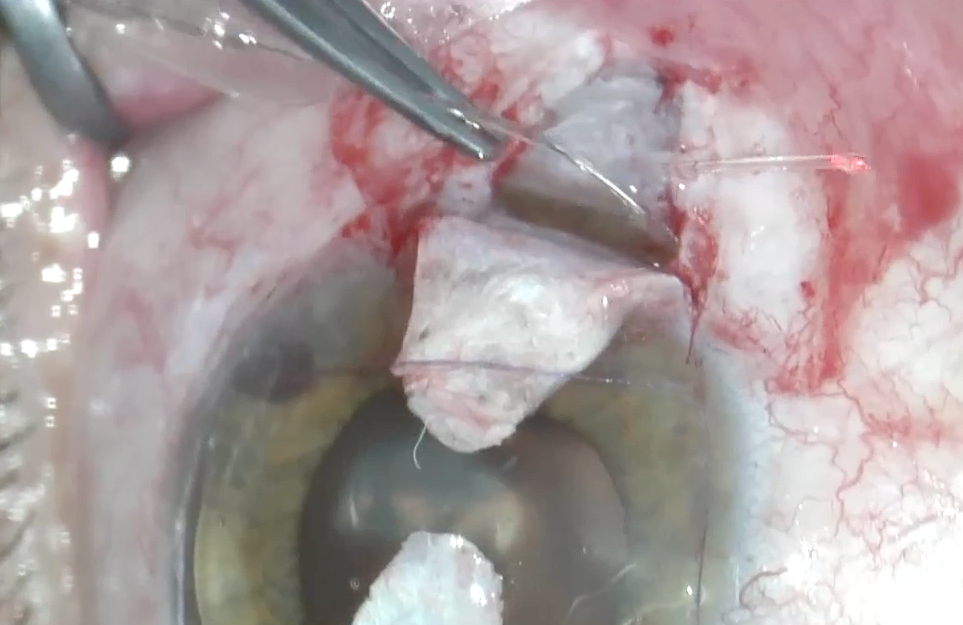
Canaloplasty
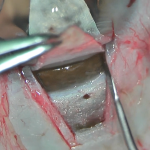
Deep sclerectomy
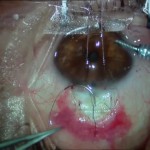
Trabeculectomy
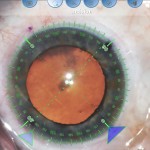
Lens surgery
Learn more:
 Watch video on YouTube ↗Original video in Portuguese
This information does not replace an individual medical assessment. Follow the advice of the team looking after you.
Dr. Nuno Lopes · Patient information
Editorial presentation updated on 27 October 2026. Your team's individual instructions take priority.
CONTINUE READING
High eye pressure is not the same as glaucoma. Understand the difference, the tests and the importance of personalised follow-up.
Read article ↗Glaucoma is currently one of the world's leading causes of irreversible blindness.
Read article ↗Learn about safer trabeculectomy and explore an animation of drainage controlled by a scleral flap, following an approach similar to Moorfields Safer Surgery.
Read article ↗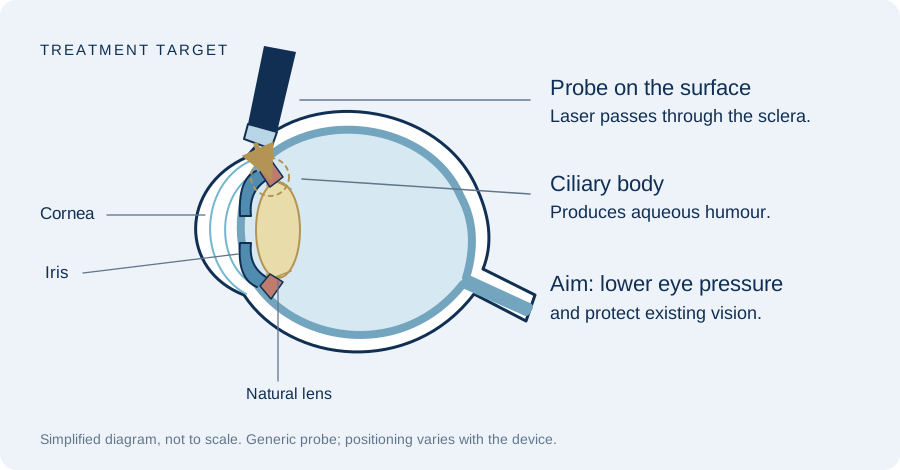
Micropulse and conventional G-probe laser: how they work, when they are considered and what to expect during recovery.
Read article ↗