


Ocular hypertension and glaucoma: what is the difference?
High eye pressure is not the same as glaucoma. Understand the difference, the tests and the importance of personalised follow-up.
Read article ↗
Questions and Guidance · 1 MIN READ
WHAT YOU NEED TO KNOW
The most common types of glaucoma, open-angle glaucoma, are usually symptom-free. Early diagnosis is therefore generally made by an ophthalmologist during screening or a routine examination.
Suspicion should be higher when one or more risk factors for the disease are present.
Very advanced glaucoma can be detected promptly with few additional tests. In early stages, however, optical coherence tomography (OCT), perimetry (visual fields), gonioscopy (angle assessment) and pachymetry are usually performed.
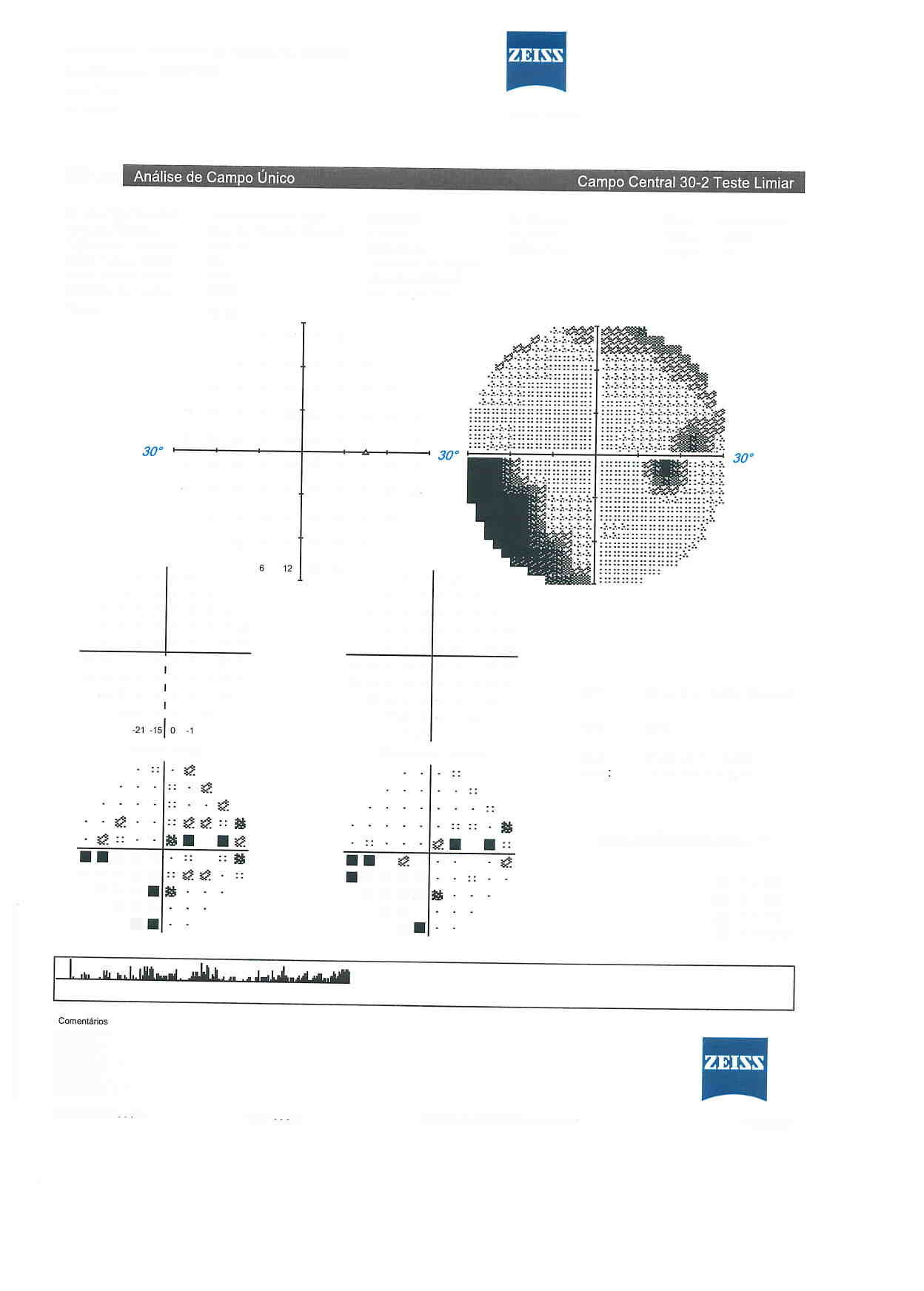
Computerised static perimetry
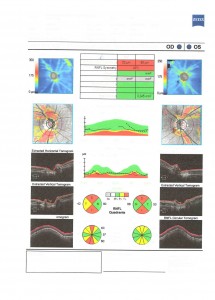
Optic disc OCT
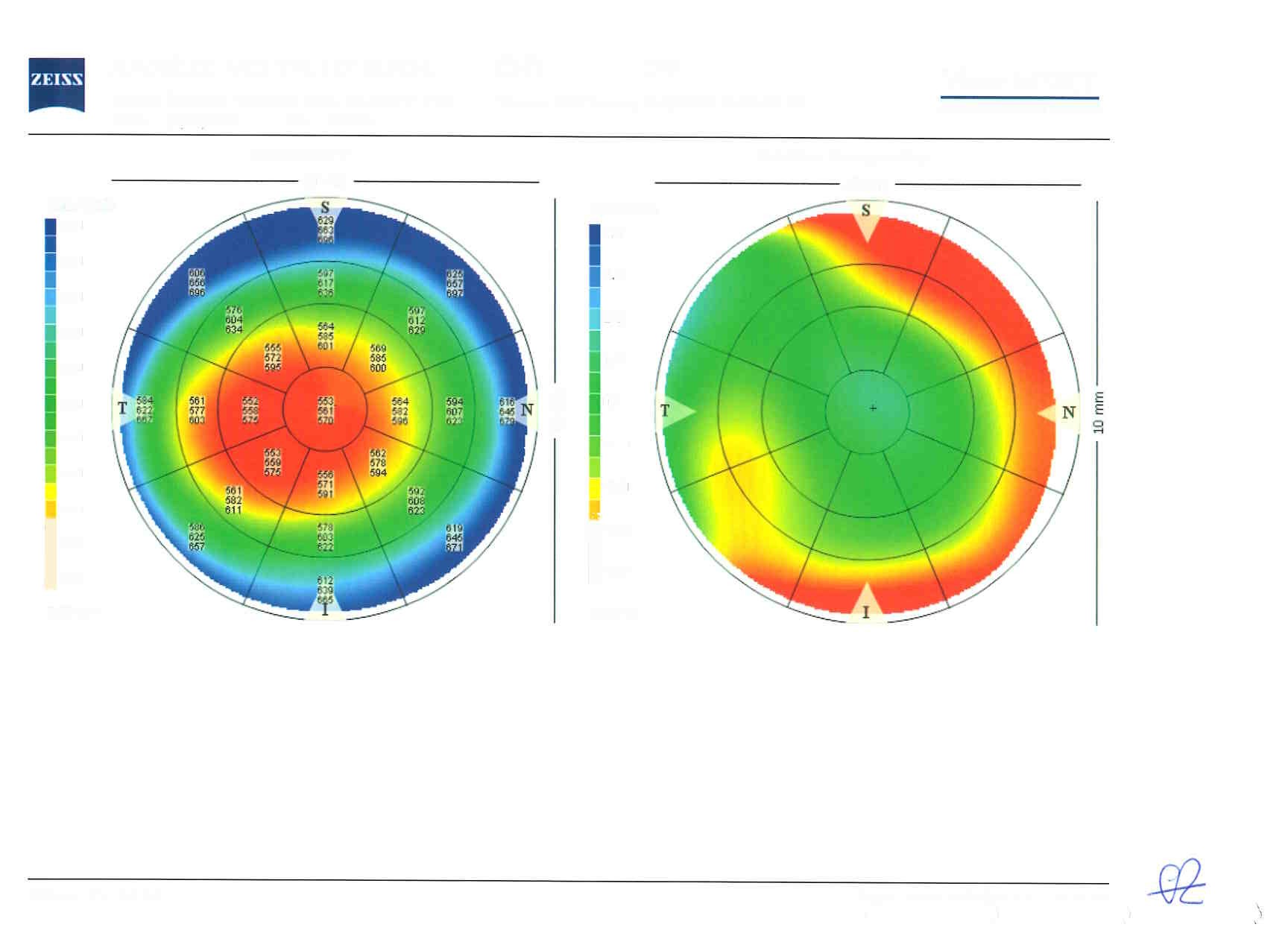
Pachymetry
Learn more:
 Watch video on YouTube ↗Original video in Portuguese
This information does not replace an individual medical assessment. Follow the advice of the team looking after you.
Dr. Nuno Lopes · Patient information
Editorial presentation updated on 27 October 2026. Your team's individual instructions take priority.
CONTINUE READING
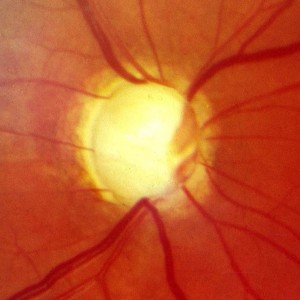
High eye pressure is not the same as glaucoma. Understand the difference, the tests and the importance of personalised follow-up.
Read article ↗Glaucoma is currently one of the world's leading causes of irreversible blindness.
Read article ↗
Learn about safer trabeculectomy and explore an animation of drainage controlled by a scleral flap, following an approach similar to Moorfields Safer Surgery.
Read article ↗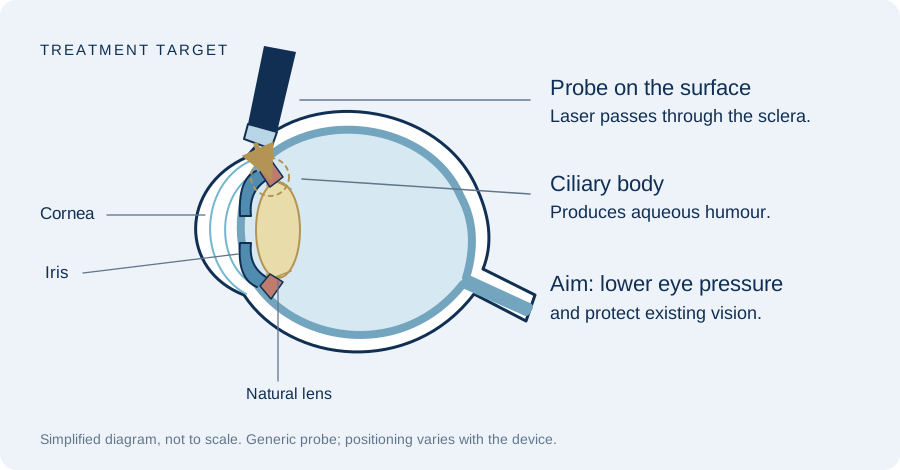
Micropulse and conventional G-probe laser: how they work, when they are considered and what to expect during recovery.
Read article ↗