


What is intraocular pressure or eye pressure?
Intraocular pressure (IOP), or eye pressure, measures the pressure or force inside the eyeball.
Read article ↗
Questions and Guidance · 1 MIN READ
WHAT YOU NEED TO KNOW
Newborns are usually examined by their paediatrician.
Vision screening continues to be carried out regularly by the paediatrician between 6 months and one year of age.
If there is no suspected eye disease requiring earlier referral, the first examination by an ophthalmologist usually takes place between 2 and 3 years of age, followed by a preschool examination.
Healthy adolescents and adults generally have regular reviews every 2 years, changing to annual reviews from the age of 40.
When eye disease is present, the ophthalmologist determines the follow-up intervals according to the condition and its stage.
Some systemic diseases may require more frequent follow-up, for example:
• DIABETES
• CONNECTIVE TISSUE DISEASES (LUPUS; RHEUMATOID ARTHRITIS; SJÖGREN SYNDROME)
• THYROID DISEASES
A family history of eye diseases such as glaucoma should also prompt earlier monitoring.
This information does not replace an individual medical assessment. Follow the advice of the team looking after you.
Dr. Nuno Lopes · Patient information
Editorial presentation updated on 27 October 2026. Your team's individual instructions take priority.
KEEP EXPLORING
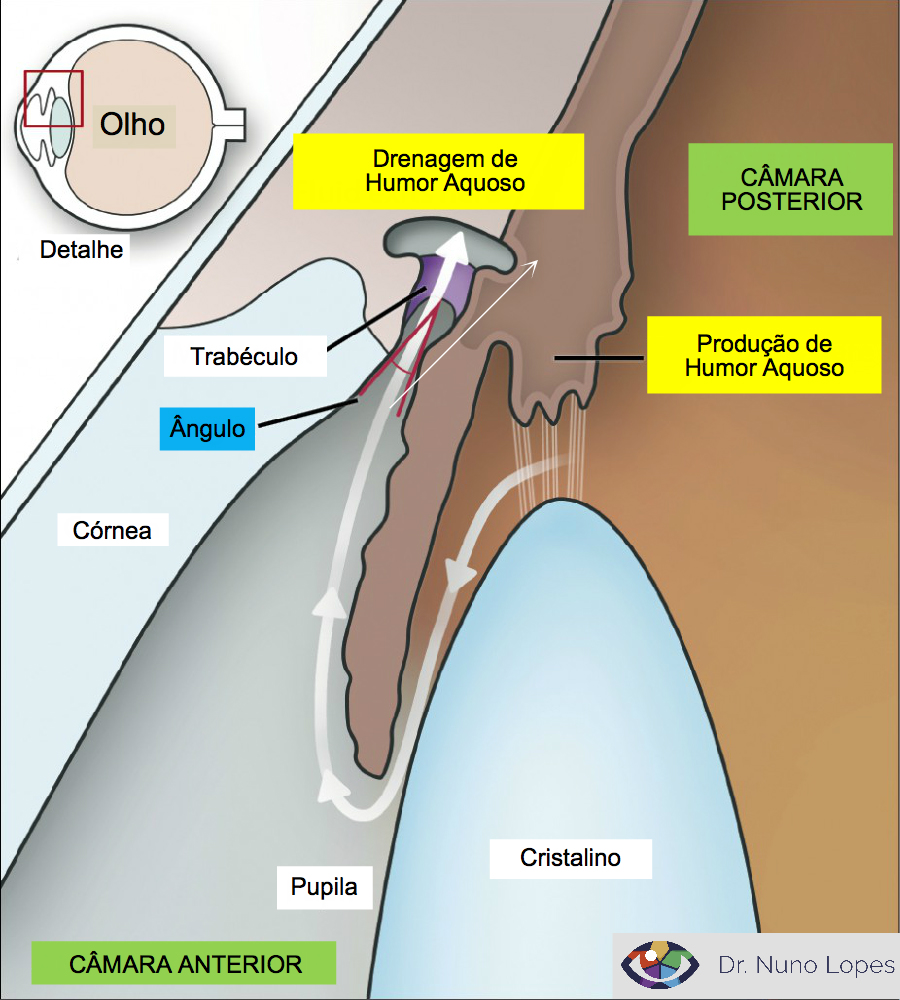
Intraocular pressure (IOP), or eye pressure, measures the pressure or force inside the eyeball.
Read article ↗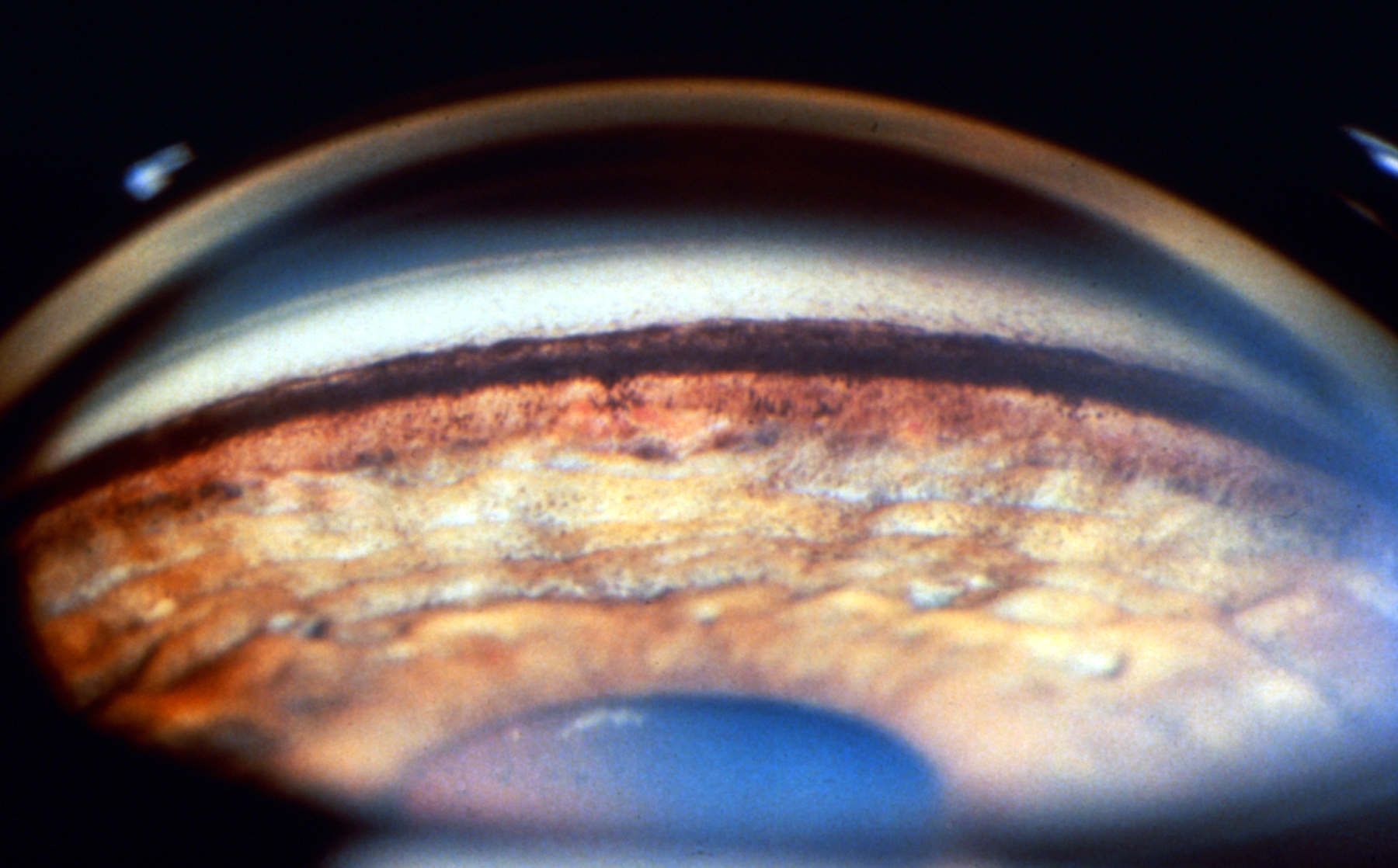
Glaucoma is a progressive optic neuropathy that produces characteristic anatomical changes in the optic nerve and corresponding loss of…
Read article ↗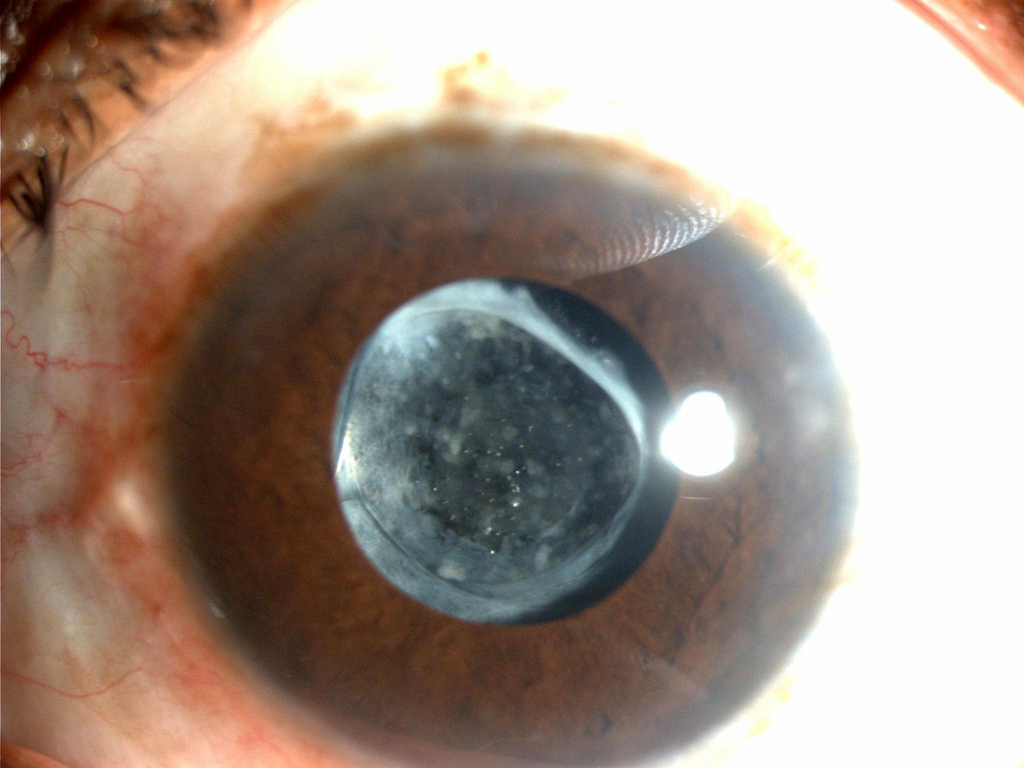
The expression “a dirty intraocular lens” is sometimes used to describe clouding of the back of the capsular bag where…
Read article ↗