


Vitreous floater
Floaters are a very common symptom that becomes more frequent with age.
Read article ↗
Eye conditions · 1 MIN READ
WHAT YOU NEED TO KNOW
Age-related macular degeneration (AMD) is a chronic and usually progressive disease of the central retina, the macula.
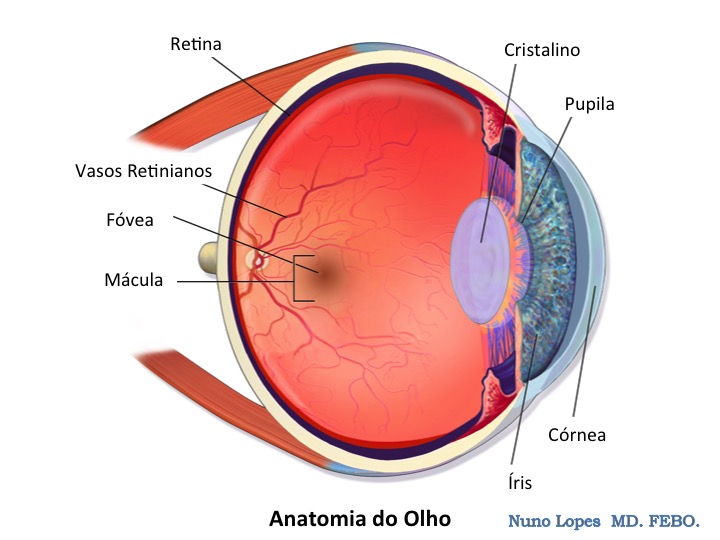
The macula is responsible for detailed vision, and its integrity is essential for optimal visual acuity and colour vision.
The main associated symptoms are reduced visual acuity, reduced contrast sensitivity, distorted vision (metamorphopsia) and dark patches (scotomas). In its early stages, the disease is generally symptom-free.
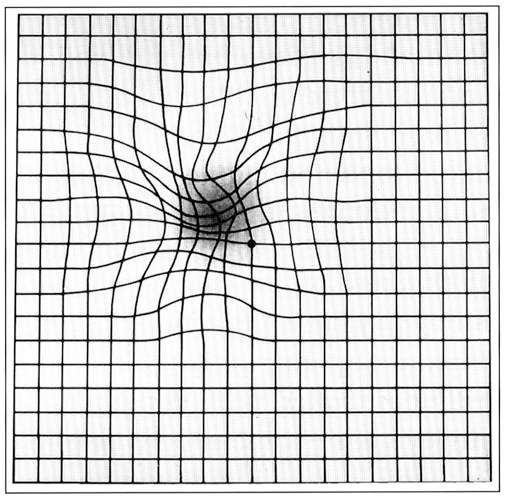
Metamorphopsia

Scotoma
Retinal ageing is influenced by genetic and environmental factors. Some risk factors may contribute to worsening AMD, including:
Smoking
Hypertension
Poor dietary habits
Obesity
Diagnosis can be made by examining the back of the eye, but tests such as optical coherence tomography (OCT) and/or angiography are often performed for staging and follow-up.
Treatment depends on the type of AMD and may involve reducing risk factors, vitamin supplementation or surgery.
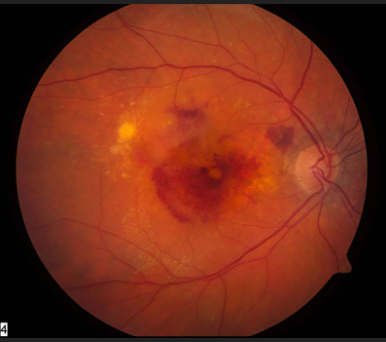
Neovascular AMD
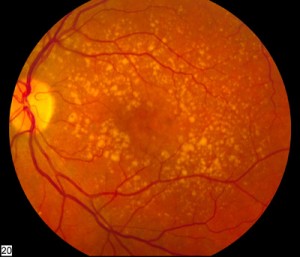
Atrophic AMD
This information does not replace an individual medical assessment. Follow the advice of the team looking after you.
Dr. Nuno Lopes · Patient information
Editorial presentation updated on 27 October 2026. Your team's individual instructions take priority.
KEEP EXPLORING
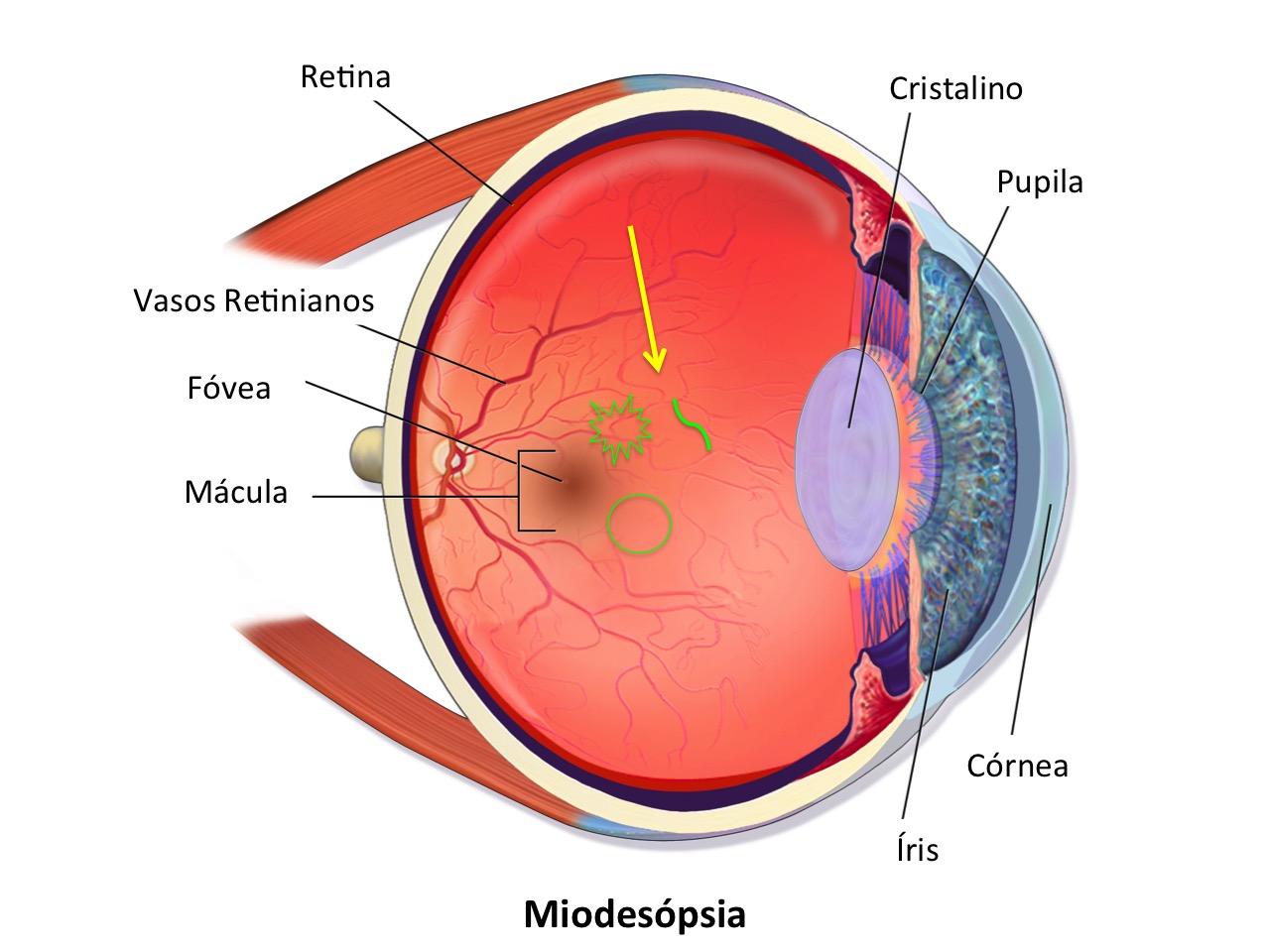
Floaters are a very common symptom that becomes more frequent with age.
Read article ↗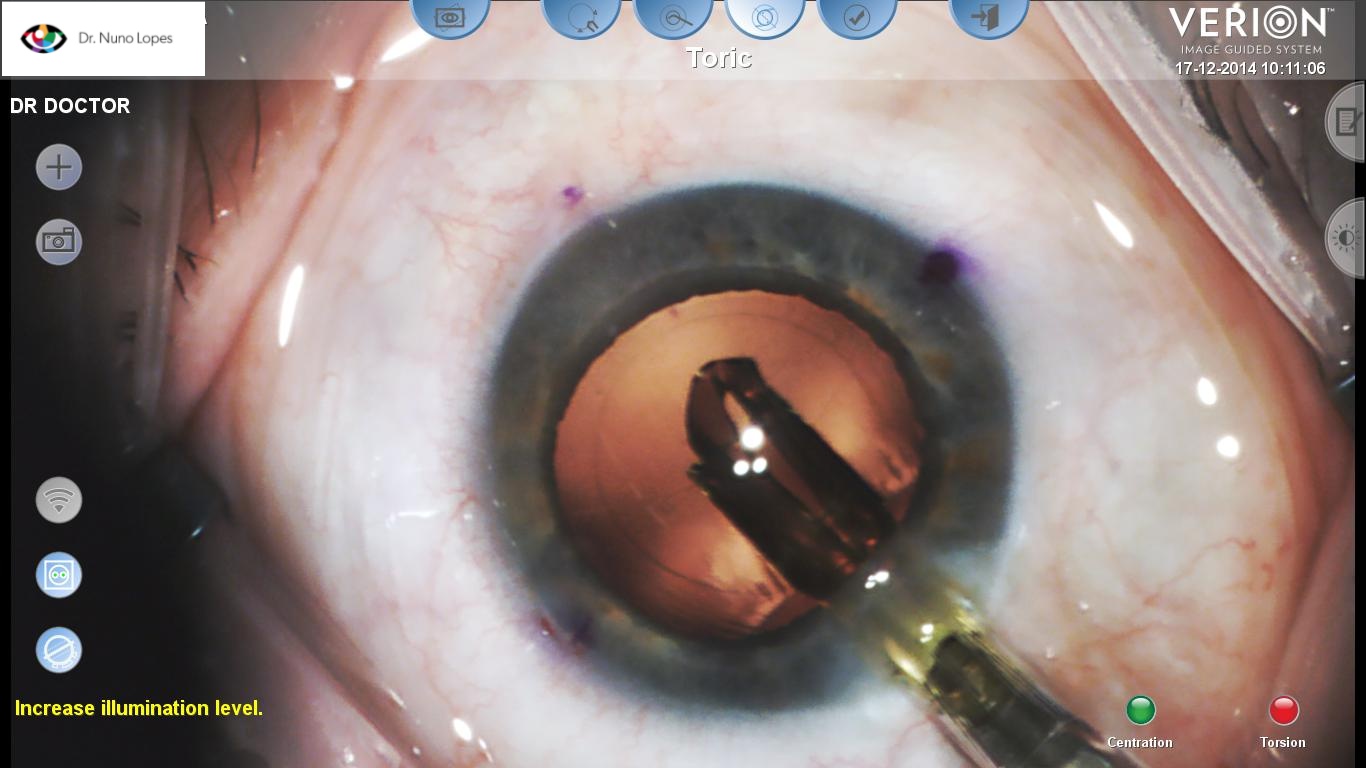
Surgical correction of refractive errors is now highly predictable, but deviations from the intended correction can sometimes occur and…
Read article ↗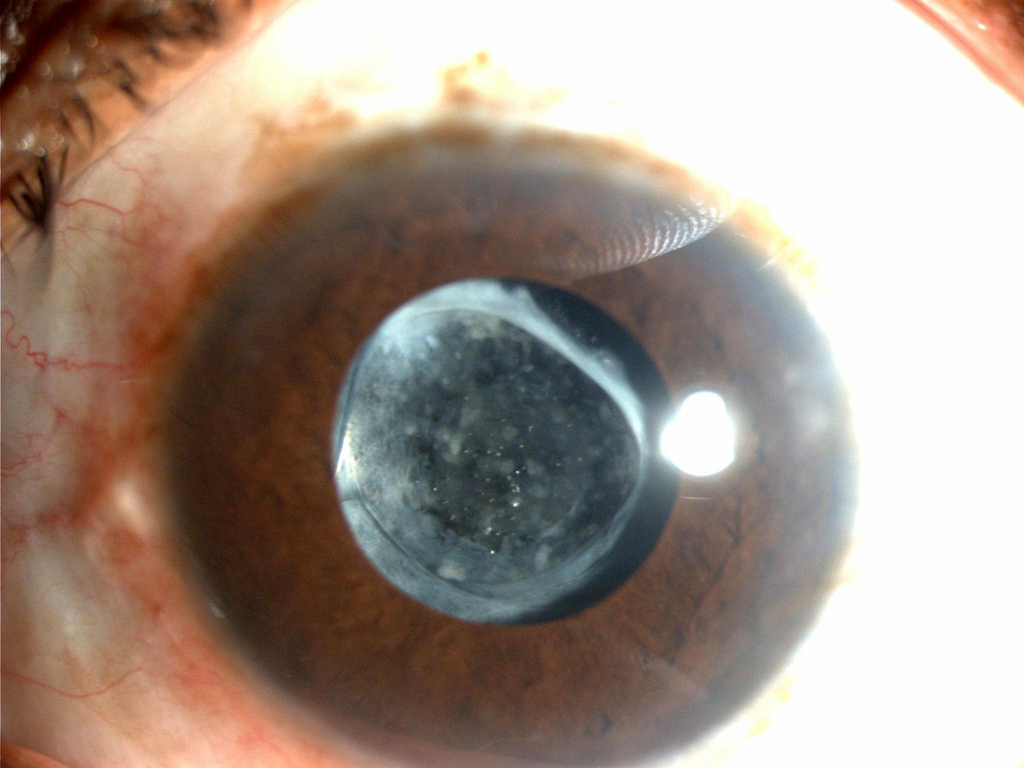
The expression “a dirty intraocular lens” is sometimes used to describe clouding of the back of the capsular bag where…
Read article ↗