


Cataract
Cataract is a major global cause of reversible blindness and involves hardening and clouding of the eye's natural lens.
Read article ↗
Eye conditions · 3 MIN READ
WHAT YOU NEED TO KNOW
The expression “a dirty intraocular lens” is sometimes used to describe clouding of the back of the capsular bag in which the lens was implanted during lens surgery.
To understand this condition, it helps first to clarify a few anatomical concepts.
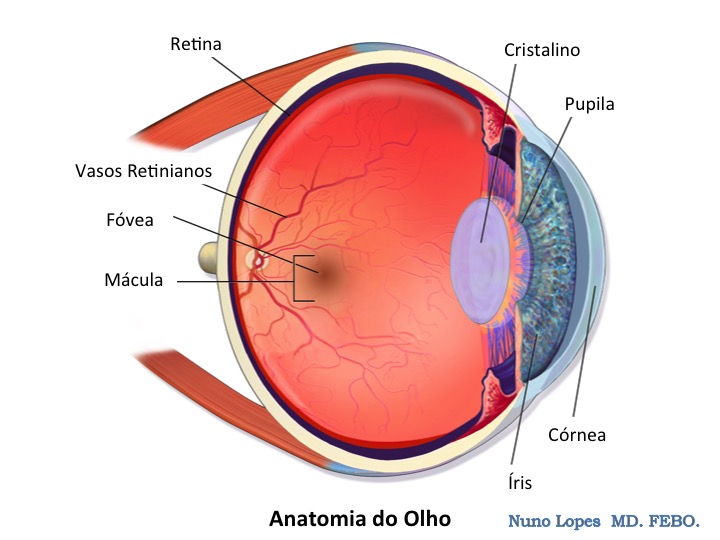
The crystalline lens is the natural lens inside the eye that helps us focus on objects. It lies centrally, separating the front and back parts of the eye.
Anatomically, the natural lens consists of flexible, protein-rich material enclosed in a capsule. Equatorial fibres (zonules) connect this capsule to the ciliary muscle, whose action allows young people to change the lens's curvature and focus sharply on near objects.
When lens surgery is indicated for cataract, a high refractive error and/or presbyopia, the inner contents are broken up and aspirated, while the surrounding capsular bag should remain intact.
After an intraocular lens has been implanted, the capsular bag can therefore still undergo fibrosis and clouding that may significantly reduce visual quality.
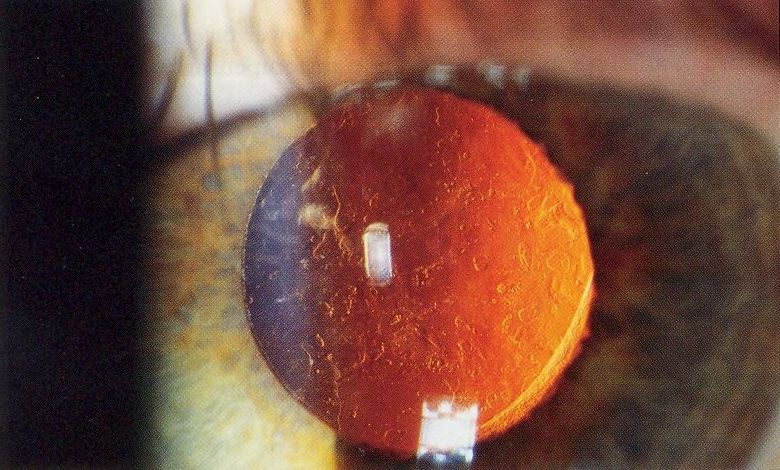
Capsular opacification
When clouding affects vision and treatment is clinically indicated, it can be treated with an Nd:YAG laser posterior capsulotomy, usually as an outpatient procedure. The laser creates an opening in the cloudy capsule behind the implanted lens. The intraocular lens remains in place.
Watch the animation to understand the difference between the lens and capsule and how treatment helps light pass through.
Follow your team's instructions on eye drops, eye-pressure checks and reassessment. Do not drive home if vision is blurred or your pupils are still dilated.
Seek urgent assessment if you experience a sudden reduction in vision, a shadow or curtain, flashes, a sudden increase in floaters, significant pain or marked redness.
This information does not replace an individual medical assessment. Follow the advice of the team looking after you.
Dr. Nuno Lopes · Patient information
Editorial presentation updated on 27 October 2026. Your team's individual instructions take priority.
CONTINUE READING
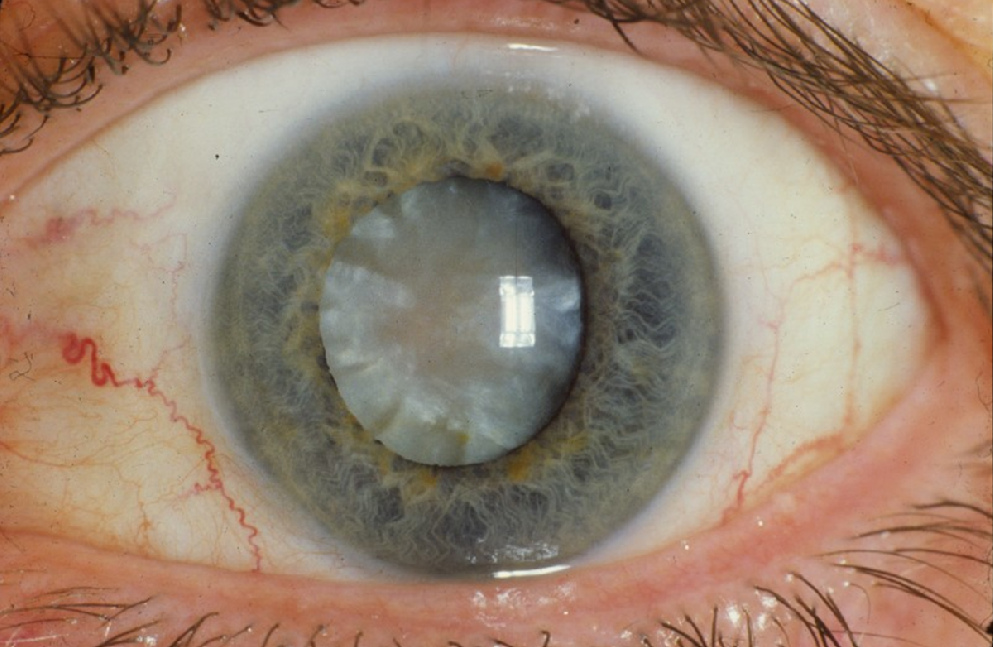
Cataract is a major global cause of reversible blindness and involves hardening and clouding of the eye's natural lens.
Read article ↗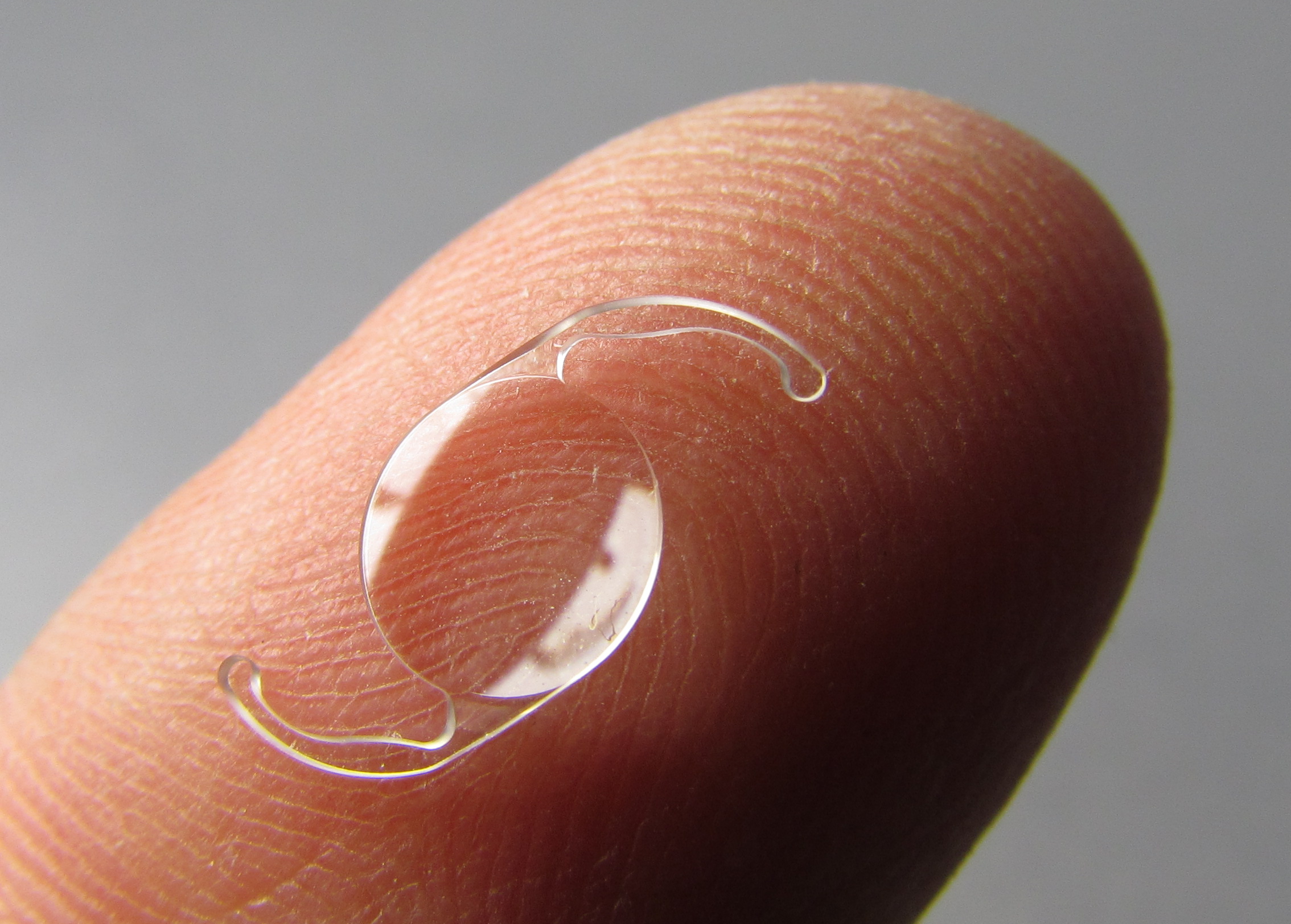
Surgery on the natural lens offers an opportunity to correct the eye's existing refractive error. To do this…
Read article ↗