


Astigmatism and lens choice in lens surgery
Correcting astigmatism with toric lenses and comparing monofocal, extended depth of focus and trifocal lenses.
Read article ↗
Eye conditions · 2 MIN READ
WHAT YOU NEED TO KNOW
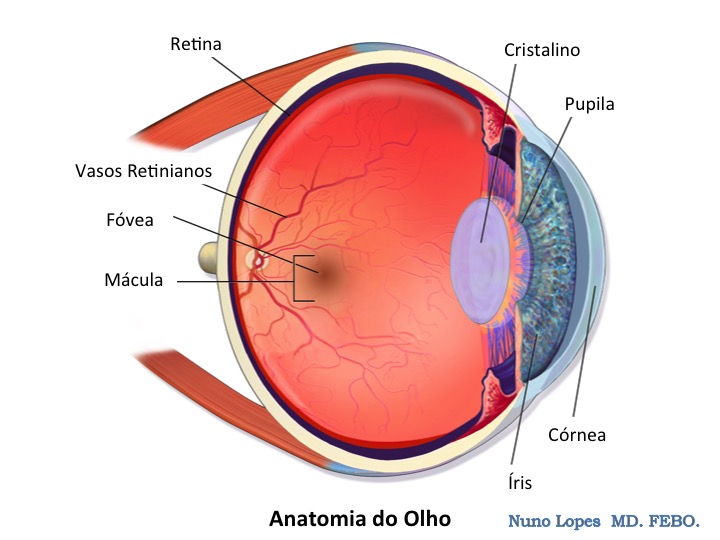
Natural lens ==> Cataract
Cataract is a major global cause of reversible blindness and involves hardening and clouding of the eye's natural lens.
The crystalline lens is a natural lens inside the eye, separating its anterior and posterior segments. It is about the size of a small lupin bean and plays an important role throughout life in focusing distant images and, in younger people, near images as well.
As the cataract progresses, vision gradually becomes more blurred.
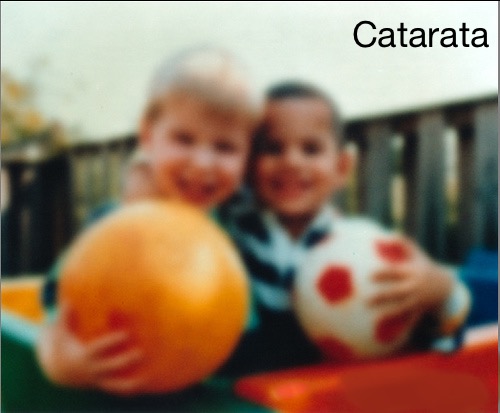
Fortunately, this condition can be treated surgically through a minimally invasive outpatient procedure with local anaesthesia, without an overnight hospital stay.
During cataract surgery, the natural lens in which the cataract has developed is replaced with an artificial lens whose power is selected by the surgeon. This lens replacement offers an opportunity to correct refractive or focusing errors such as short-sightedness, long-sightedness, astigmatism and presbyopia, the loss of near vision.
Because of this opportunity and the high safety of the surgical procedure, blindness from cataracts is now rare in countries with access to appropriate healthcare.
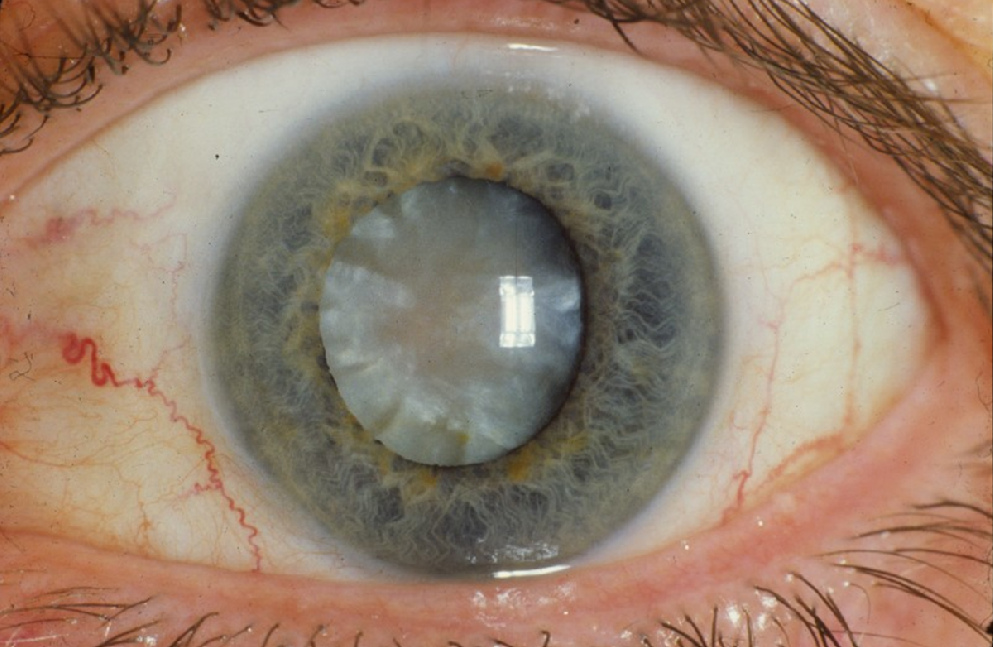
Very advanced cataract – Completely brunescent
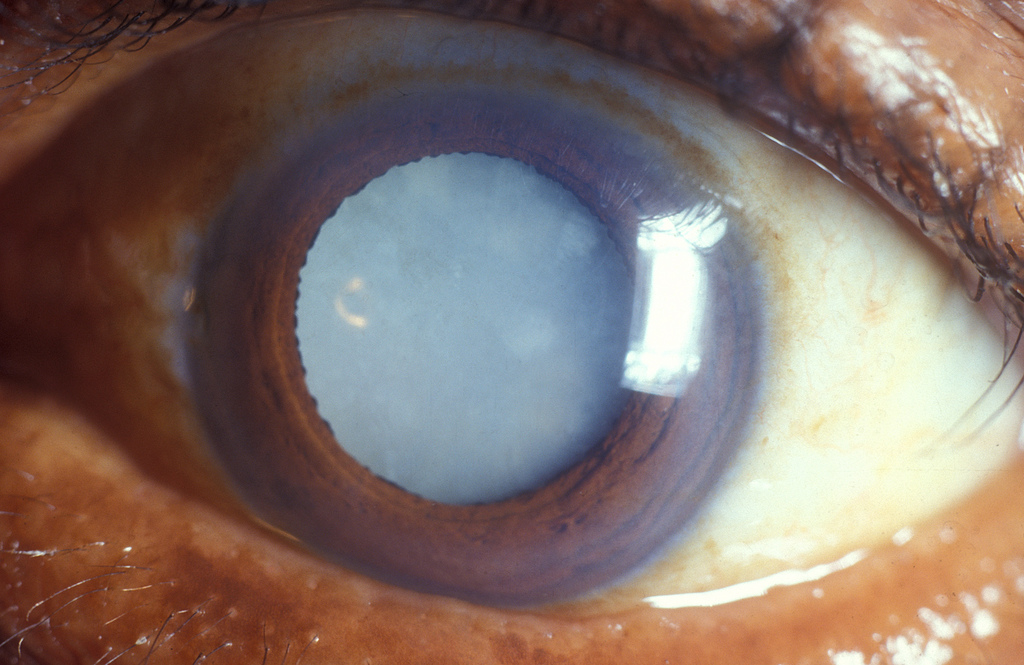
Very advanced cataract – Completely white
Refractive correction through lens surgery is becoming increasingly common, even before a significant cataract develops, to correct distance and near vision and achieve greater independence from glasses.
If you would like to learn more, click below to watch a video of refractive lens surgery with a multifocal lens implant to correct distance and near vision in a suitable candidate for this procedure.
 Watch video on YouTube ↗Original video in Portuguese
PATIENT GUIDE
Learn about cataracts, preparing for surgery and care during recovery.
This information does not replace an individual medical assessment. Follow the advice of the team looking after you.
Prefer larger text?
Read the leaflet with adjustable text and print in larger typeDr. Nuno Lopes · Patient information
Editorial presentation updated on 27 October 2026. Your team's individual instructions take priority.
CONTINUE READING
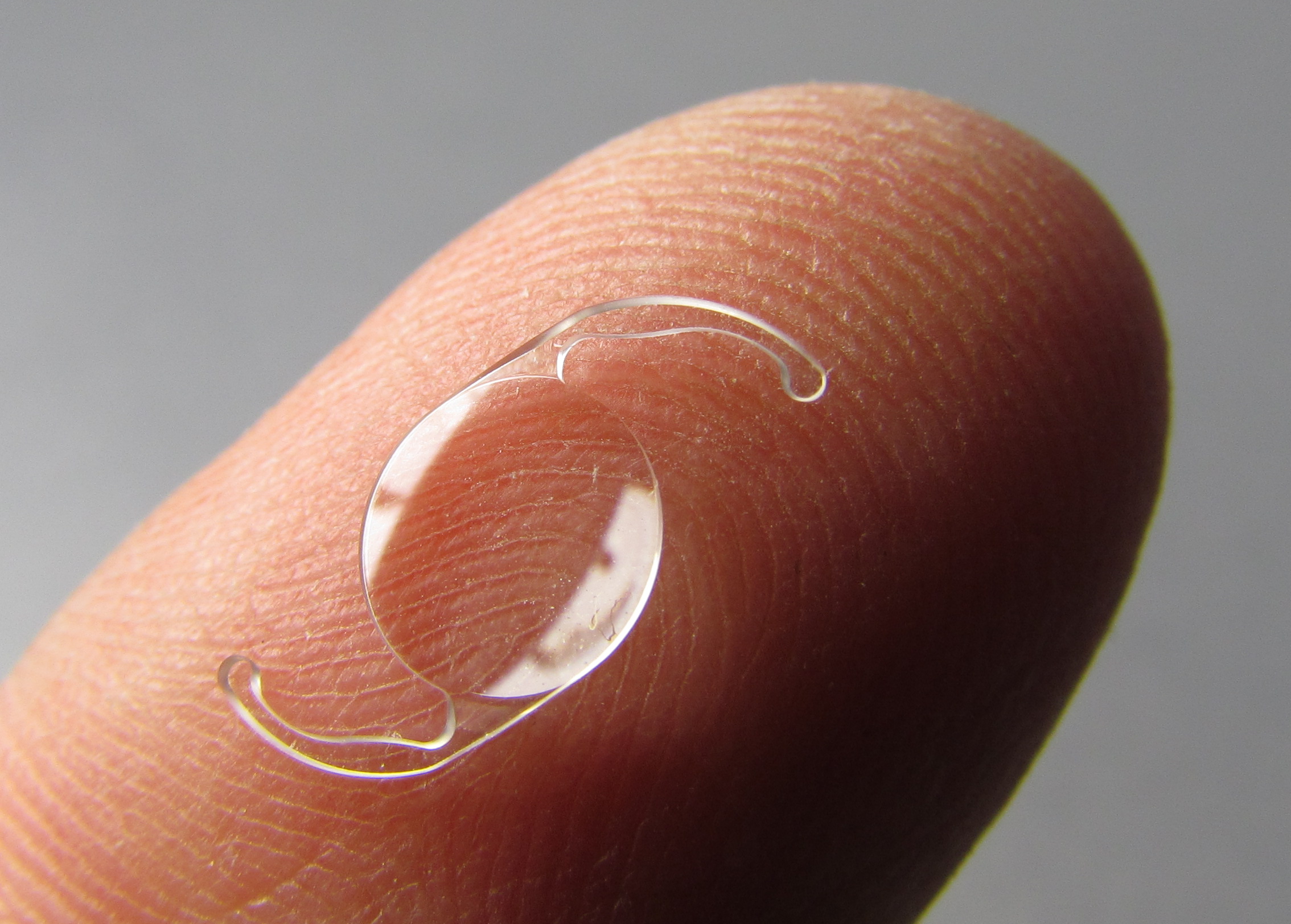
Correcting astigmatism with toric lenses and comparing monofocal, extended depth of focus and trifocal lenses.
Read article ↗Surgery on the natural lens offers an opportunity to correct the eye's existing refractive error. To do this…
Read article ↗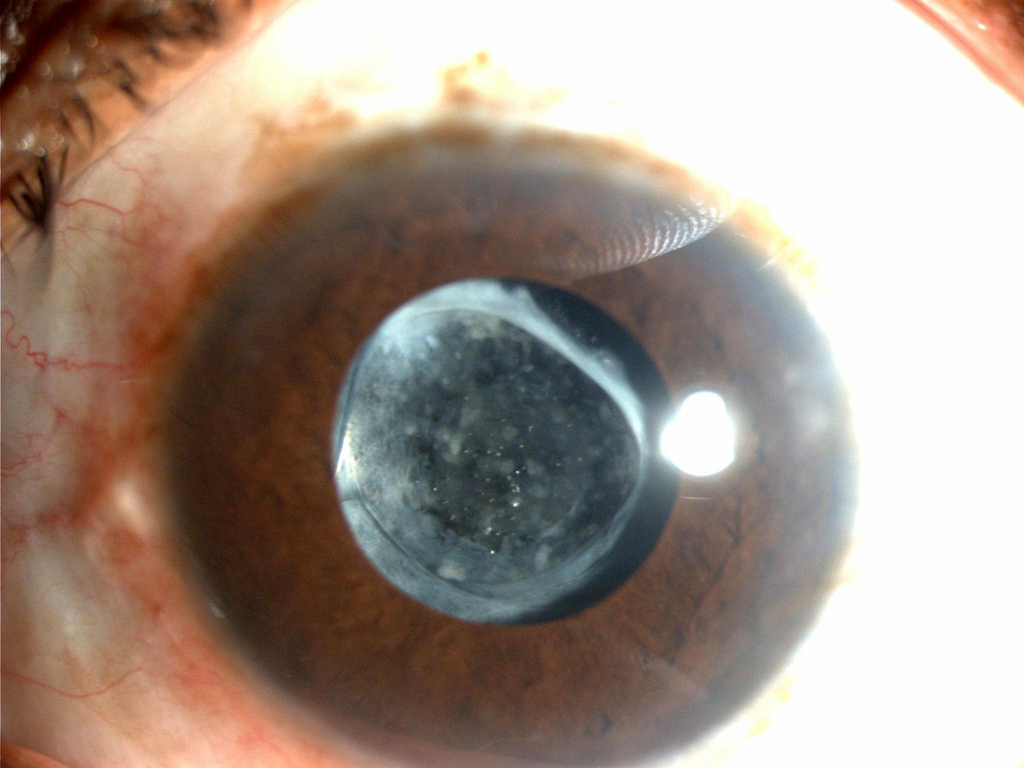
The expression “a dirty intraocular lens” is sometimes used to describe clouding of the back of the capsular bag where…
Read article ↗