


Cataract
Cataract is a major global cause of reversible blindness and involves hardening and clouding of the eye's natural lens.
Read article ↗
Surgery · 1 MIN READ
Cataract surgery or refractive lens exchange can also correct corneal astigmatism, improving the clarity of vision without glasses and reducing reliance on them. When indicated, toric intraocular lenses are used, with different focusing options available.
Accurate alignment of these lenses is essential. Digital guidance systems such as Verion and Callisto overlay reference guides on the microscope image, providing augmented reality assistance to guide lens positioning.
| Lens type | Main advantages | Trade-offs to consider |
|---|---|---|
Monofocal | Good image quality and contrast, with a lower likelihood of haloes. | Prioritises one distance, usually far vision. Glasses are generally needed for near vision and sometimes for intermediate distances. |
Extended depth of focus — EDOF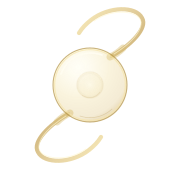 | Extends the useful range of vision from far to intermediate distances, such as a computer screen. Some designs cause fewer haloes than trifocal lenses. | Reading glasses may be needed, particularly for small print. Haloes and visual performance vary with the lens design. |
Trifocal | Provides far, intermediate and near vision, offering a greater chance of independence from glasses. | A higher likelihood of haloes, glare and reduced contrast, particularly noticeable in low light. |
The choice is tailored to each patient’s ocular measurements and individual characteristics, taking into account eye health, daily activities, visual needs and expectations.
This information does not replace an individual medical assessment. Follow the advice of the team looking after you.
Dr. Nuno Lopes · Patient information
Editorial presentation updated on 27 October 2026. Your team's individual instructions take priority.
CONTINUE READING
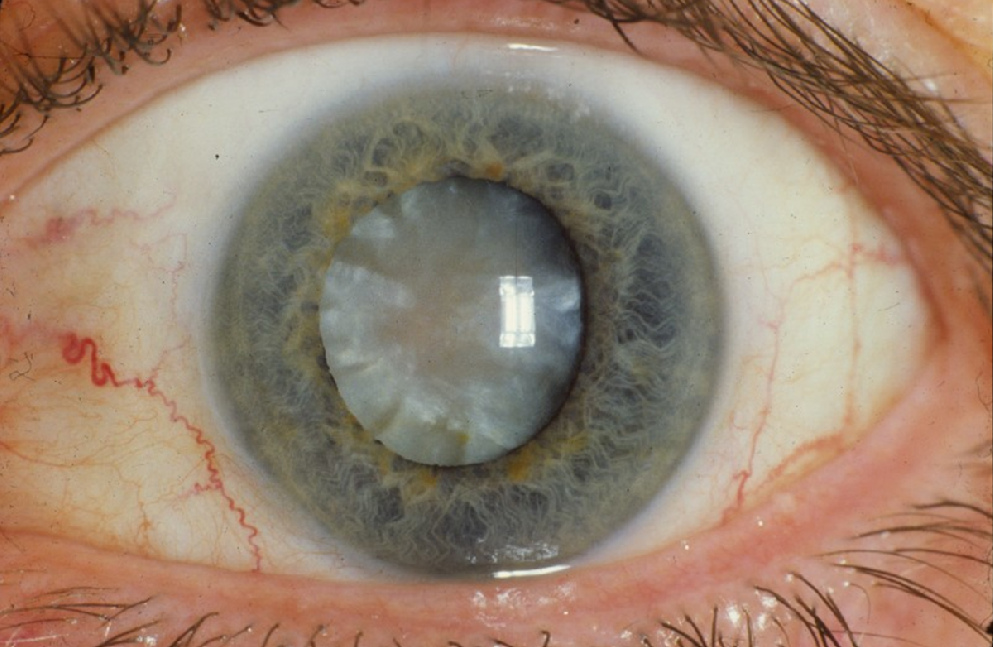
Cataract is a major global cause of reversible blindness and involves hardening and clouding of the eye's natural lens.
Read article ↗
Alcon – VERION and ZEISS CALLISTO eye: digital guidance systems I use to support cataract surgery and alignment of toric intraocular lenses.
Read article ↗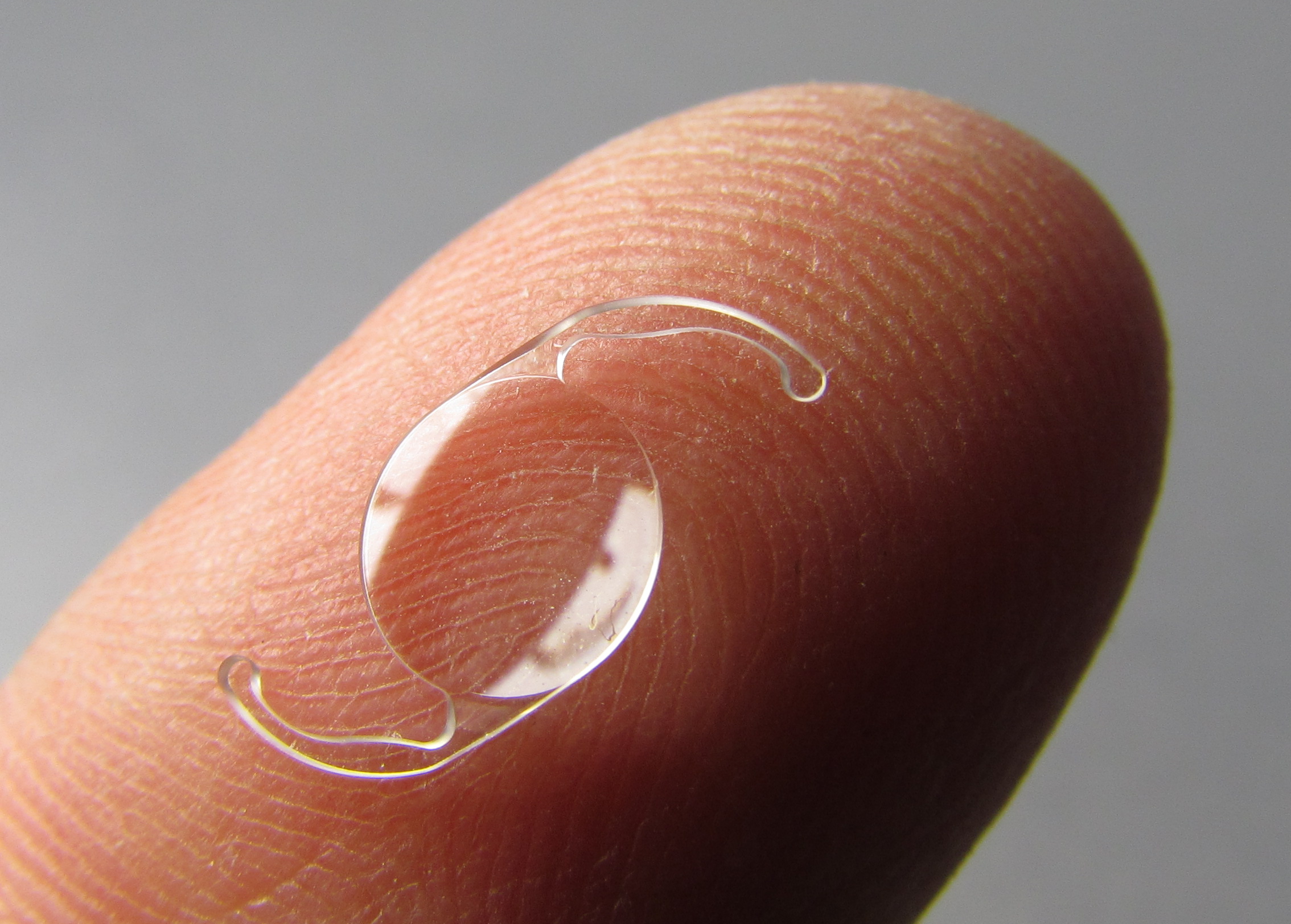
Surgery on the natural lens offers an opportunity to correct the eye's existing refractive error. To do this…
Read article ↗