


Vitreous floater
Floaters are a very common symptom that becomes more frequent with age.
Read article ↗
Eye conditions · 1 MIN READ
WHAT YOU NEED TO KNOW
Surgical correction of refractive errors is now highly predictable, but deviations from the intended correction can sometimes occur. If significant, these should be addressed and corrected if necessary.
Each surgical procedure has a more or less defined period for visual recovery and refractive stability. Unless it is substantial, residual refractive error should therefore not be assessed before the time required for stability has elapsed.
It is also important to remember that factors unrelated to the prescription can affect visual quality, at least temporarily. These include ocular surface disorders, of which dry eye is probably the most common after surgery.
Surgical correction of residual refractive error matters more when the patient strongly wishes to see independently of glasses, as glasses correct most such deviations very well.
Options for correcting a residual prescription depend on the previous operation and each individual case. The most commonly used corrective procedures are:
Studies are underway on lenses whose power can be changed after implantation in the eye, which may make this type of correction easier in future.
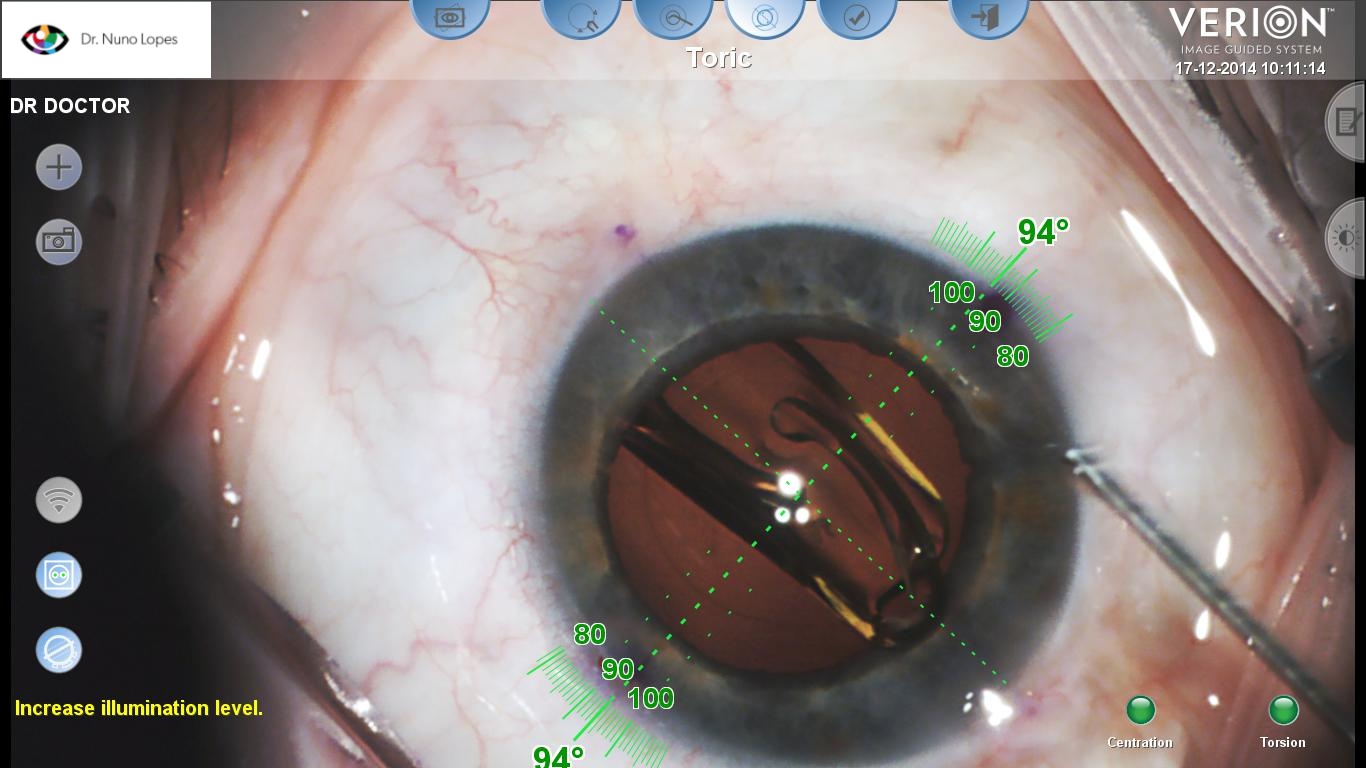
Intraocular lens implantation
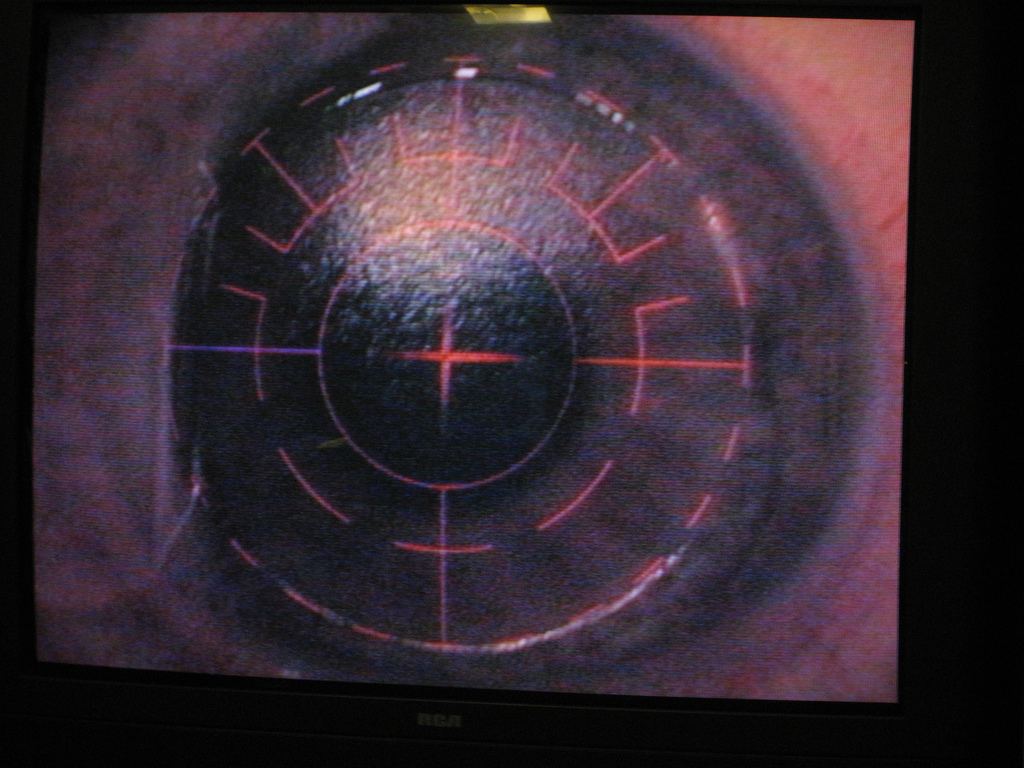
Excimer laser
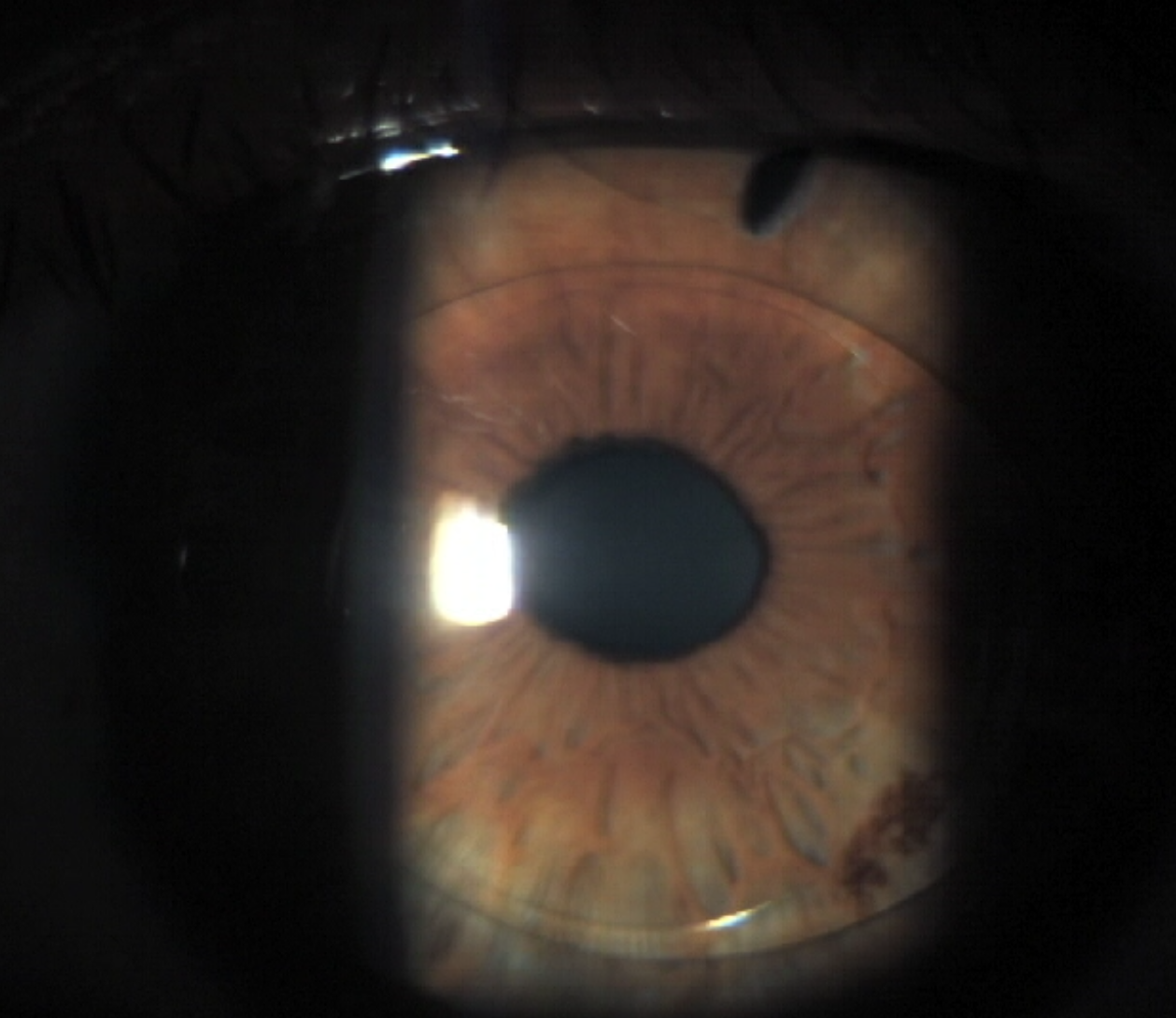
Phakic lens
This information does not replace an individual medical assessment. Follow the advice of the team looking after you.
Dr. Nuno Lopes · Patient information
Editorial presentation updated on 27 October 2026. Your team's individual instructions take priority.
KEEP EXPLORING
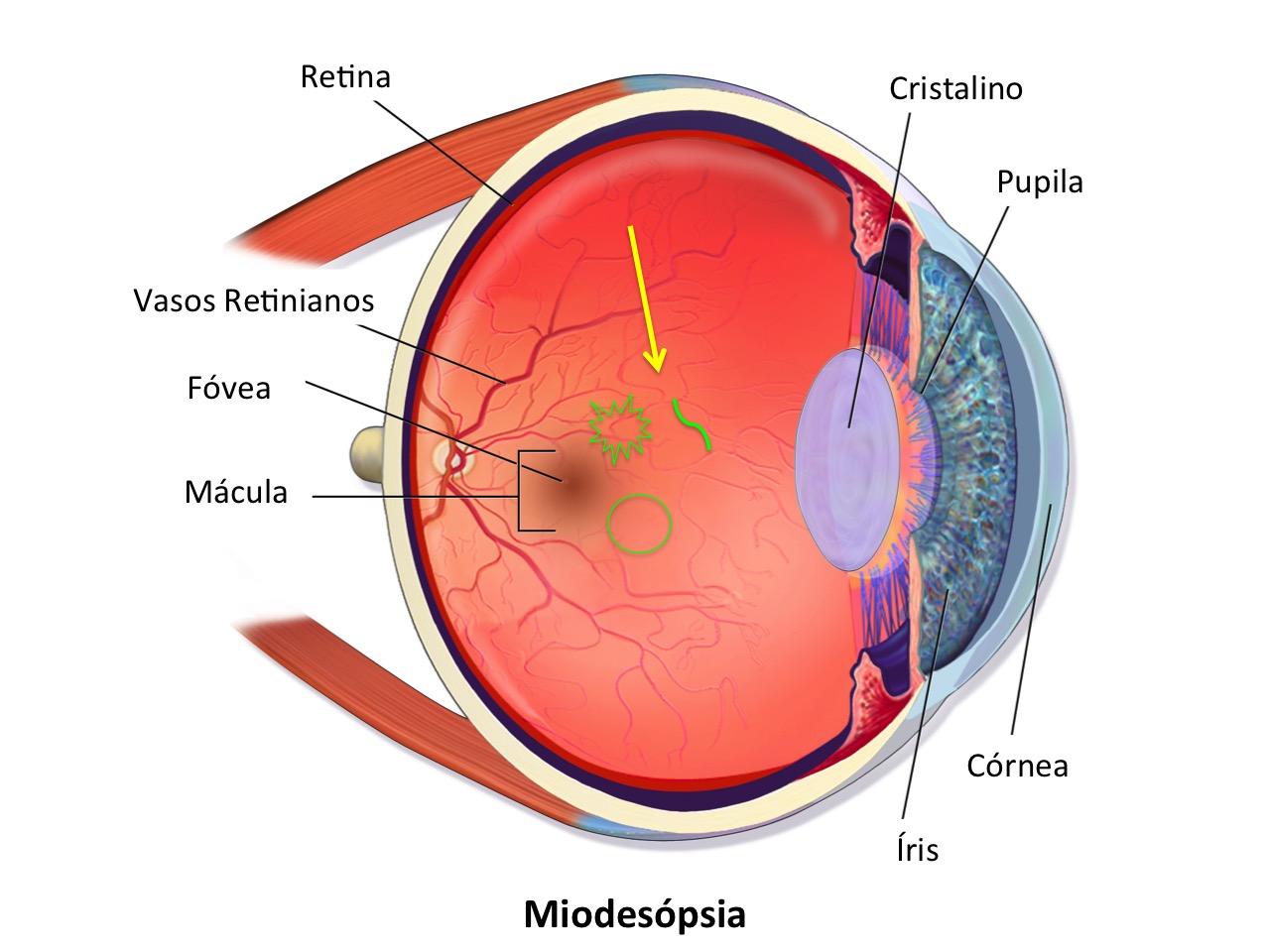
Floaters are a very common symptom that becomes more frequent with age.
Read article ↗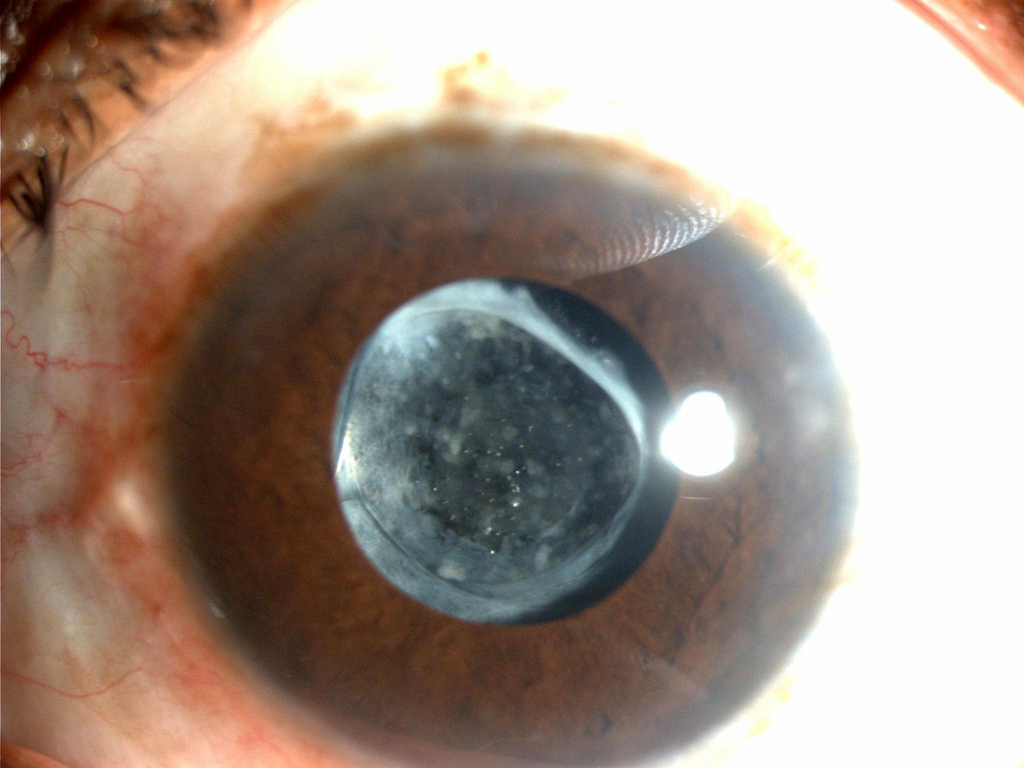
The expression “a dirty intraocular lens” is sometimes used to describe clouding of the back of the capsular bag where…
Read article ↗
Presbyopia is the age-related loss of the eye's natural ability to obtain clear near vision.
Read article ↗