


Vision and sport: see better, play better
Visual assessment, correction and eye protection tailored to the demands of each sport.
Read article ↗
Eye conditions · 2 MIN READ
WHAT YOU NEED TO KNOW
Dry eye is the common term for a deficiency in the quality or quantity of the tear film covering the eye's surface. It is very common, is more frequent in women and increases with age, particularly after menopause.
Tears contain lipids, water and mucins that work together to protect and lubricate the ocular surface.
OCULAR SURFACE
A thin, dynamic film that protects and lubricates the eye.
The outermost layer contains lipids produced mainly by the Meibomian glands. It contributes to tear-film stability and helps limit evaporation.
Rich in water, salts and proteins, it hydrates and lubricates the ocular surface.
They help tears spread and maintain stable contact with the epithelium. They are present in the aqueous phase and near the surface of the cells.
When the dynamic balance between these three components is disrupted, dry-eye symptoms and signs can develop.
The degree of dryness varies widely, and symptoms do not always reflect the severity of the condition or clinical findings.
Dry-eye treatment varies according to the underlying cause, but usually involves artificial tear drops and is generally long term.
This information does not replace an individual medical assessment. Follow the advice of the team looking after you.
Dr. Nuno Lopes · Patient information
Editorial presentation updated on 27 October 2026. Your team's individual instructions take priority.
CONTINUE READING
Visual assessment, correction and eye protection tailored to the demands of each sport.
Read article ↗
Blepharitis is inflammation of the eyelids and is very common. It has multiple causes and is often chronic, although it may also occur…
Read article ↗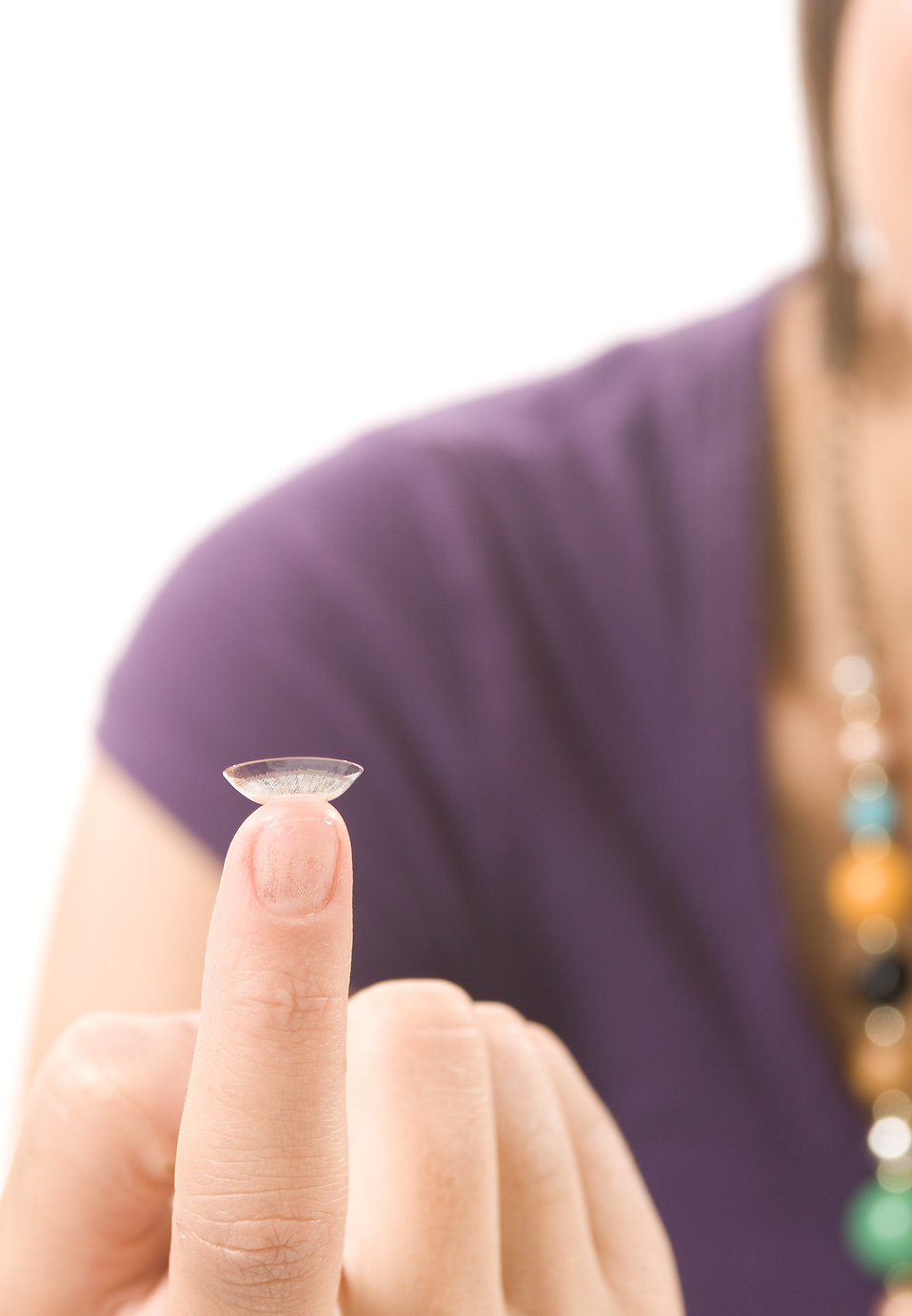
Read the care guide for contact lens wearers. Download the contact lens guide
Read article ↗