


Vitreous floater
Floaters are a very common symptom that becomes more frequent with age.
Read article ↗
Eye conditions · 1 MIN READ
WHAT YOU NEED TO KNOW
Diabetic retinopathy (DR) is the most common eye complication of diabetes and a major cause of blindness worldwide.
The retina is the light-sensitive tissue of the eye; its proper function is essential for good visual acuity and visual independence.
Inadequate blood glucose control in a person with diabetes promotes small vascular lesions in the retina, whose progression can lead to:
Leakage of contents
Vascular occlusion
Abnormal new blood vessels — neovascularisation
There are two subtypes of DR:
1) Non-proliferative DR — The earlier stage of DR, dominated by vascular changes with varying degrees of leakage
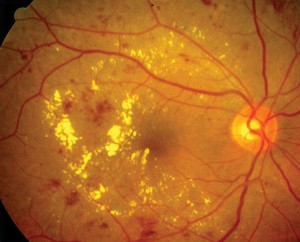
Non-proliferative DR
2) Proliferative DR — A later stage of DR in which lack of blood supply to parts of the retina stimulates the growth of new, abnormally functioning blood vessels. Their fragility can cause bleeding and significant visual loss. In more advanced proliferative DR, these vessels grow towards the front of the eye and cause glaucoma that is difficult to treat.
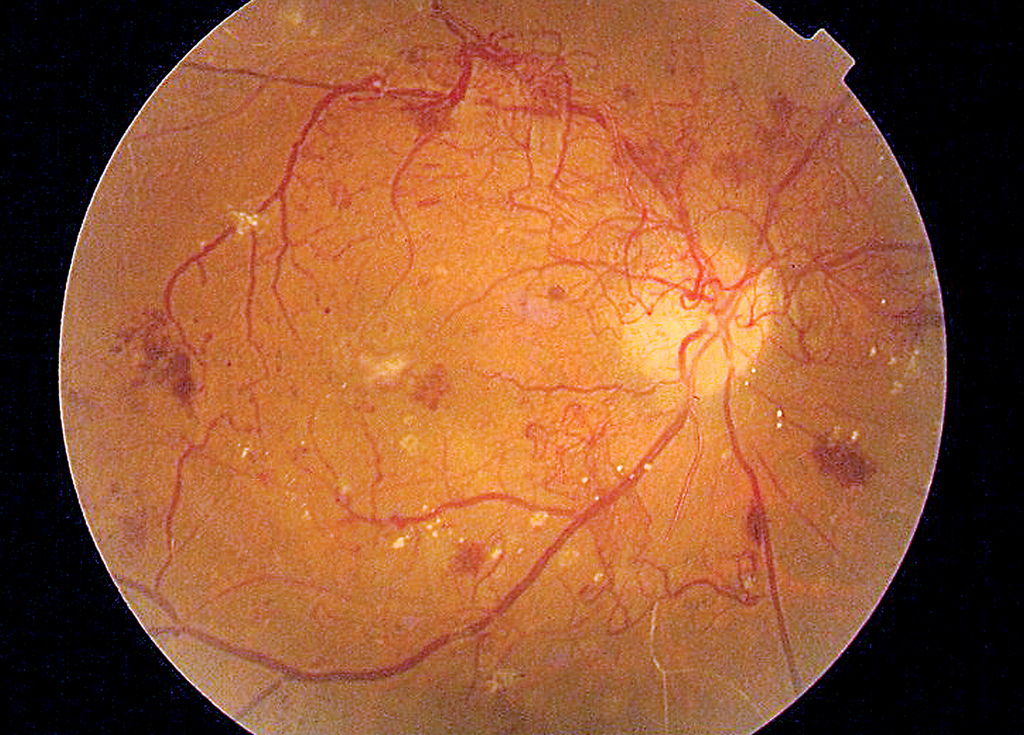
Proliferative DR
The risk of diabetic retinopathy depends on the cumulative duration of the systemic disease (diabetes mellitus) and the degree of metabolic control (the better and more sustained the control, the lower the risk).
Prevention through metabolic control is therefore the best approach.
When necessary, established lesions are usually treated with laser or surgery.
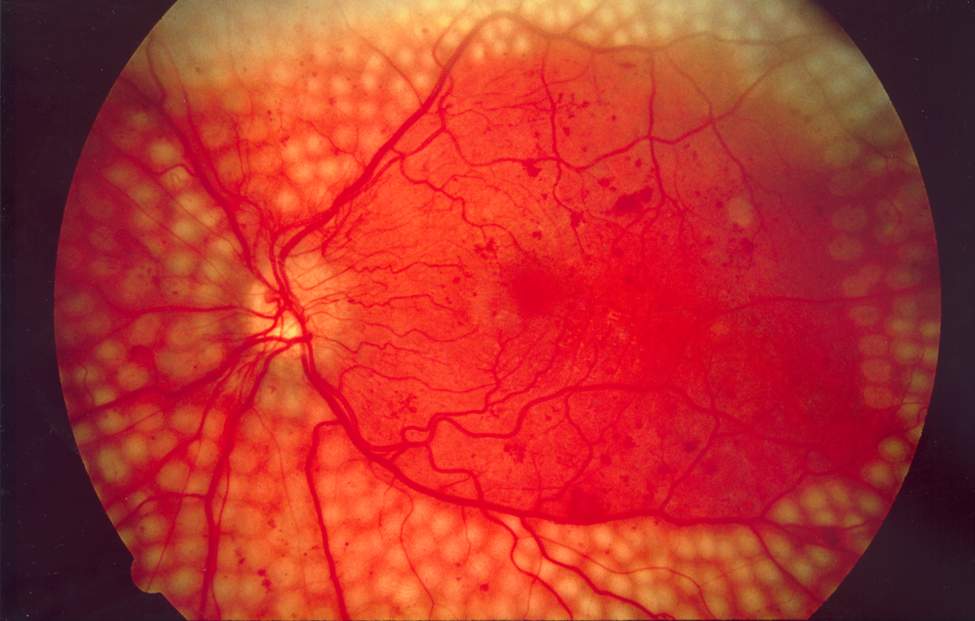
Retina after laser treatment
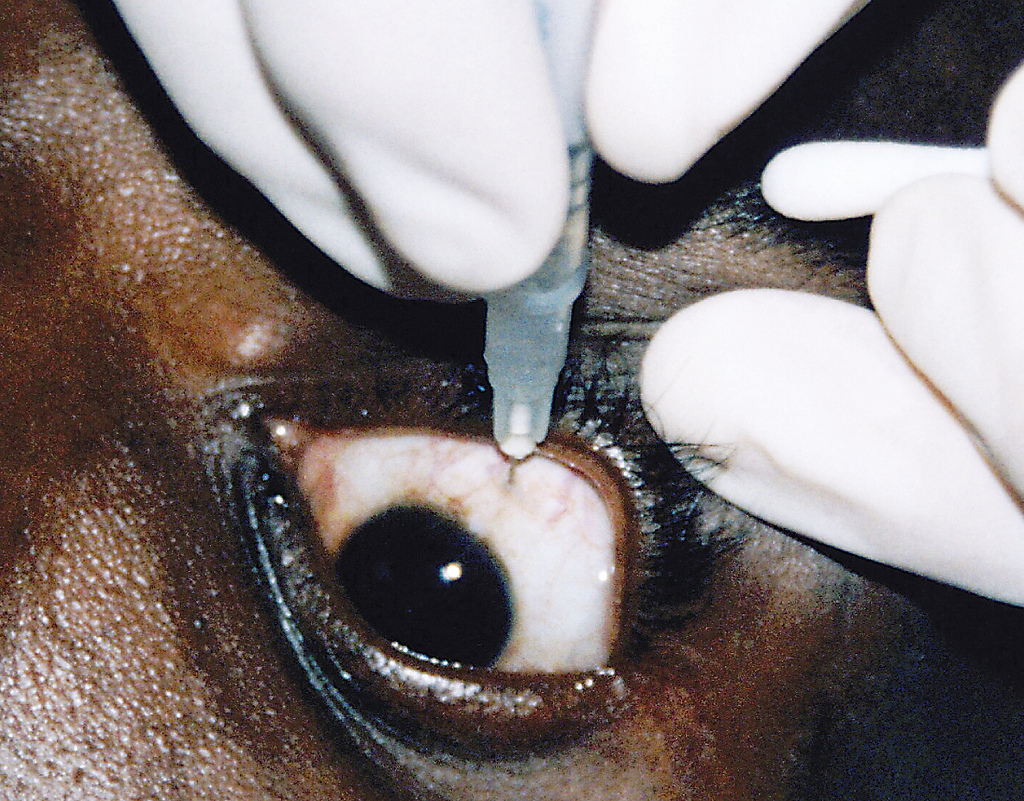
Intravitreal injection
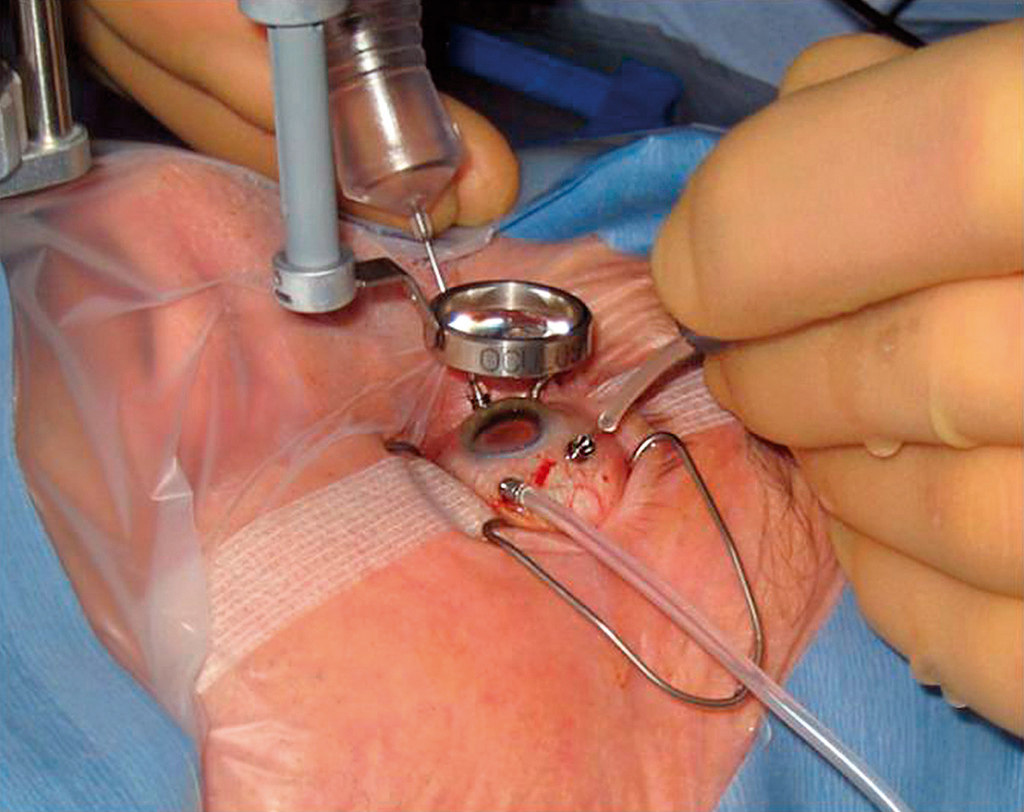
Vitrectomy
This information does not replace an individual medical assessment. Follow the advice of the team looking after you.
Dr. Nuno Lopes · Patient information
Editorial presentation updated on 27 October 2026. Your team's individual instructions take priority.
KEEP EXPLORING
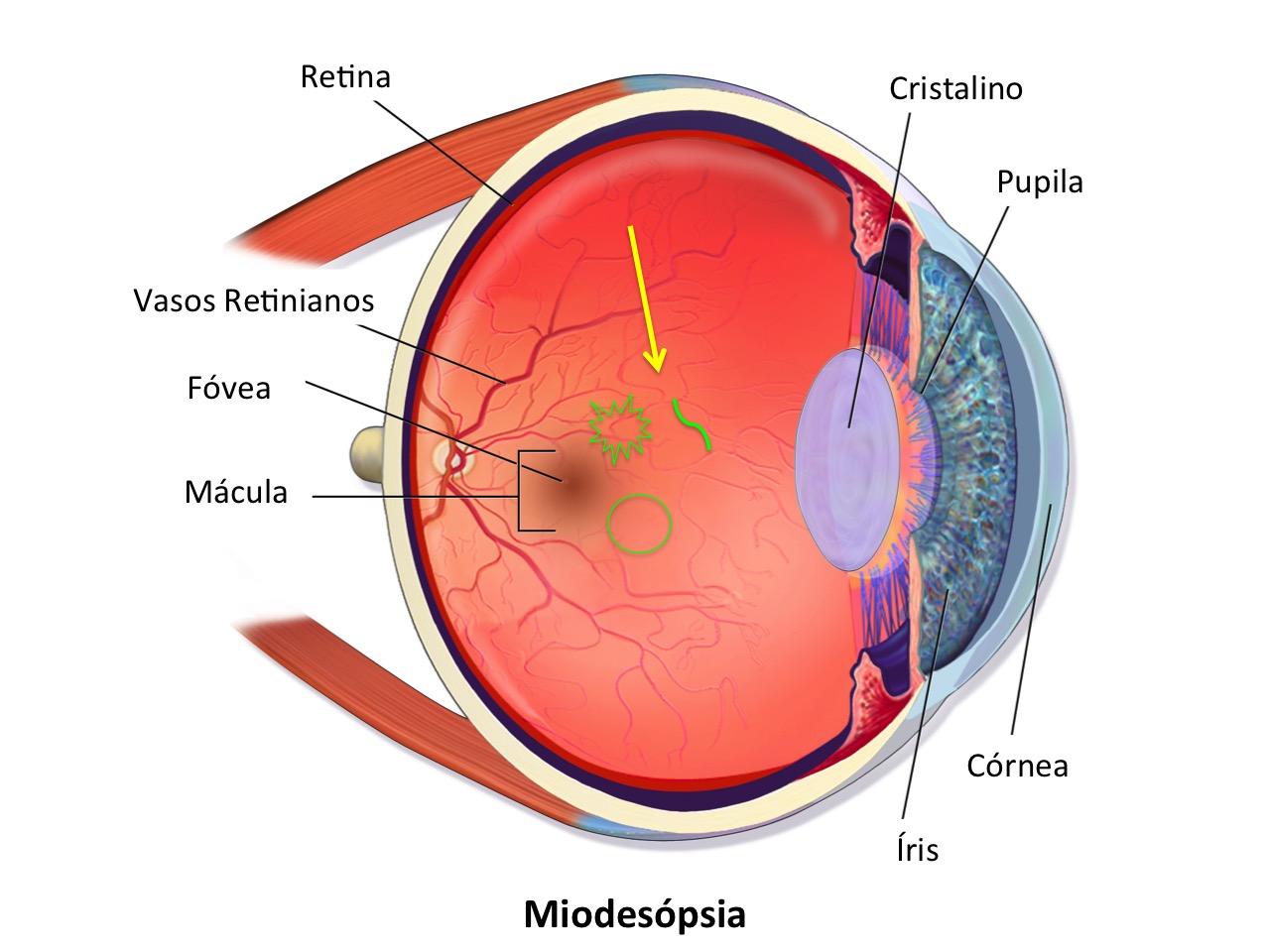
Floaters are a very common symptom that becomes more frequent with age.
Read article ↗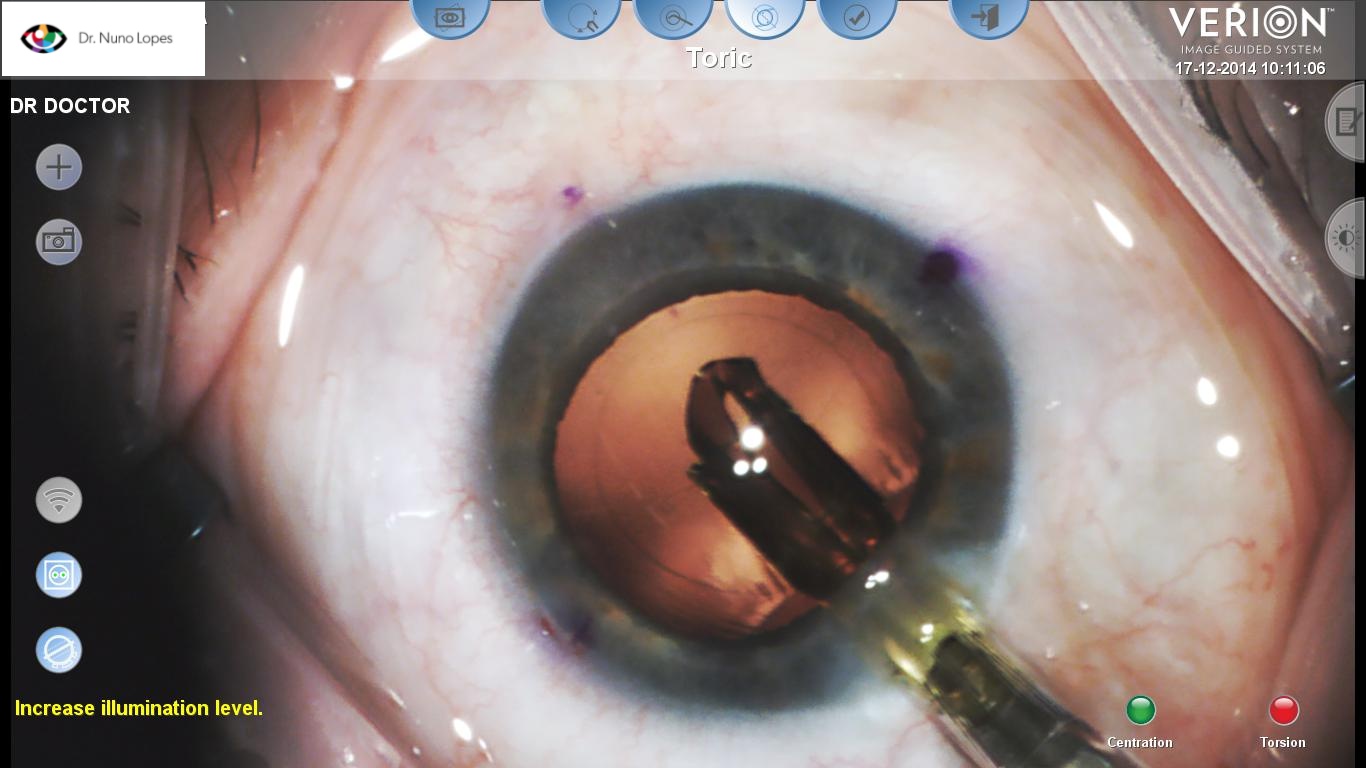
Surgical correction of refractive errors is now highly predictable, but deviations from the intended correction can sometimes occur and…
Read article ↗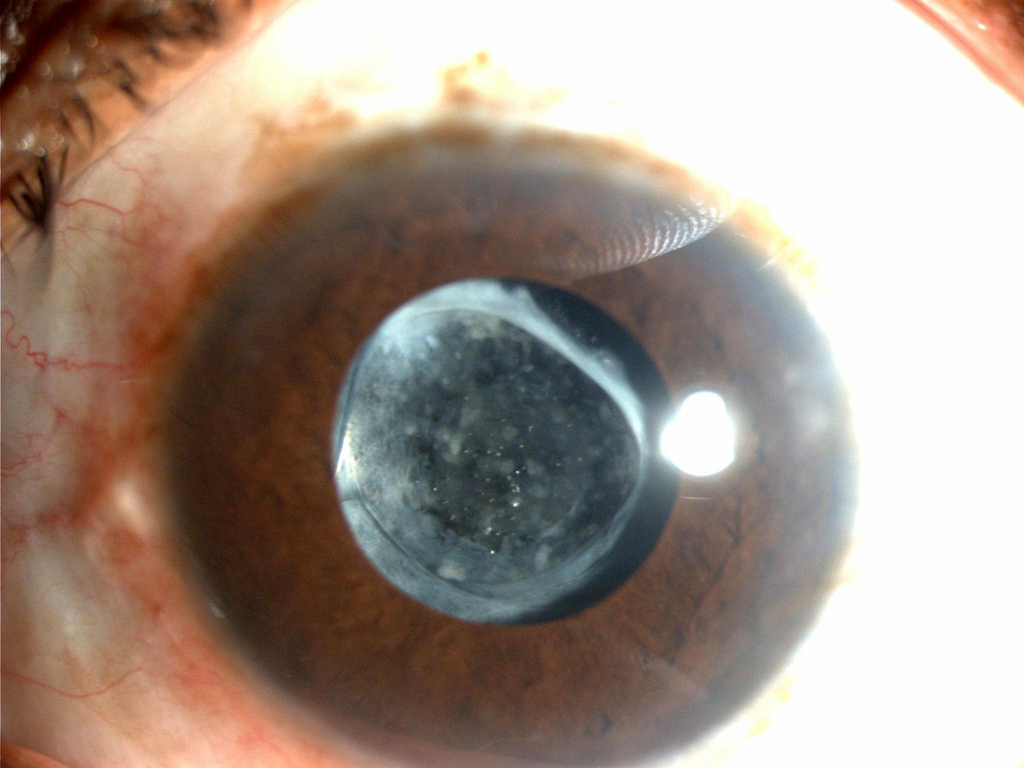
The expression “a dirty intraocular lens” is sometimes used to describe clouding of the back of the capsular bag where…
Read article ↗