


Ocular hypertension and glaucoma: what is the difference?
High eye pressure is not the same as glaucoma. Understand the difference, the tests and the importance of personalised follow-up.
Read article ↗
Questions and Guidance · 3 MIN READ
WHAT YOU NEED TO KNOW
Glaucoma is a disease of the optic nerve.
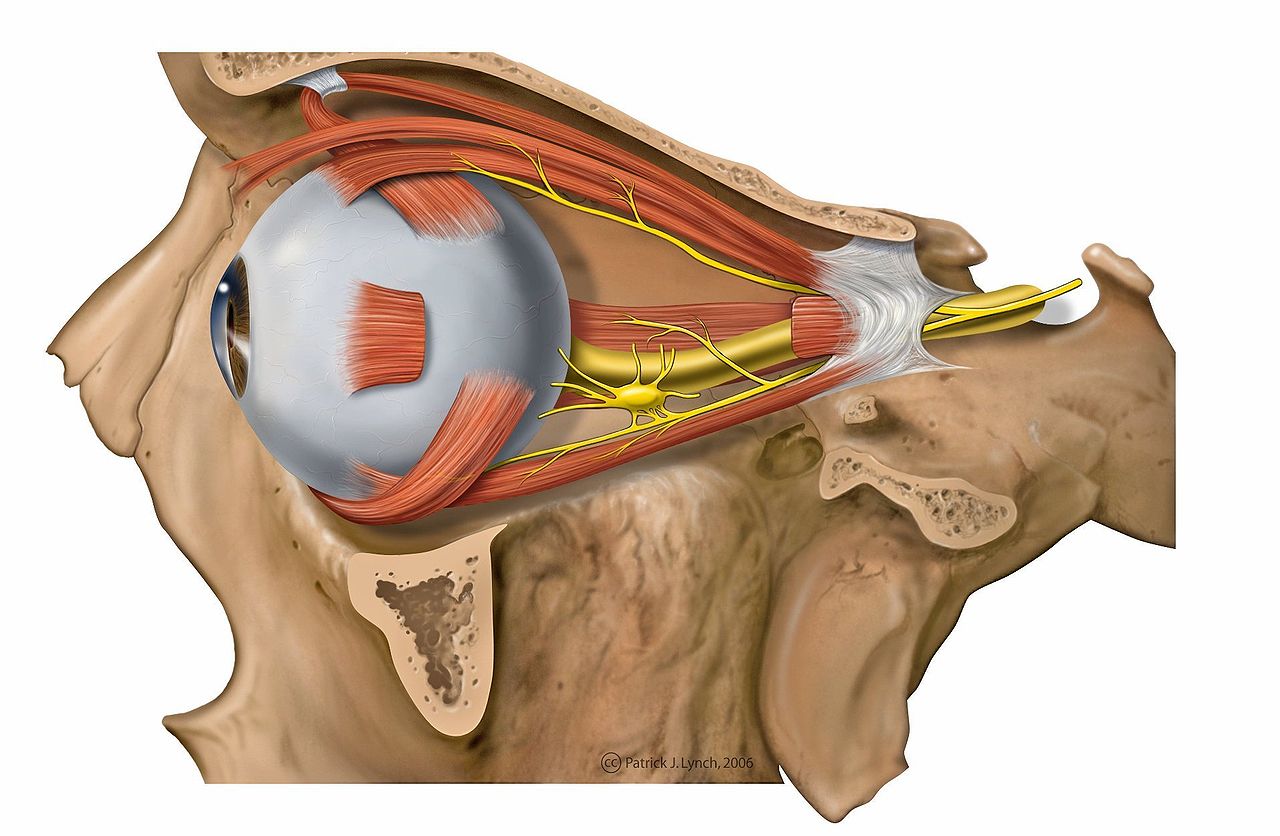
The posterior course of the optic nerve
The optic nerve (ON) carries images captured by the eye to the brain. As nervous tissue, it consists of millions of cells whose health is essential. Some natural cell loss is usual throughout life, but glaucoma causes excessively rapid loss that can threaten the patient's visual independence.

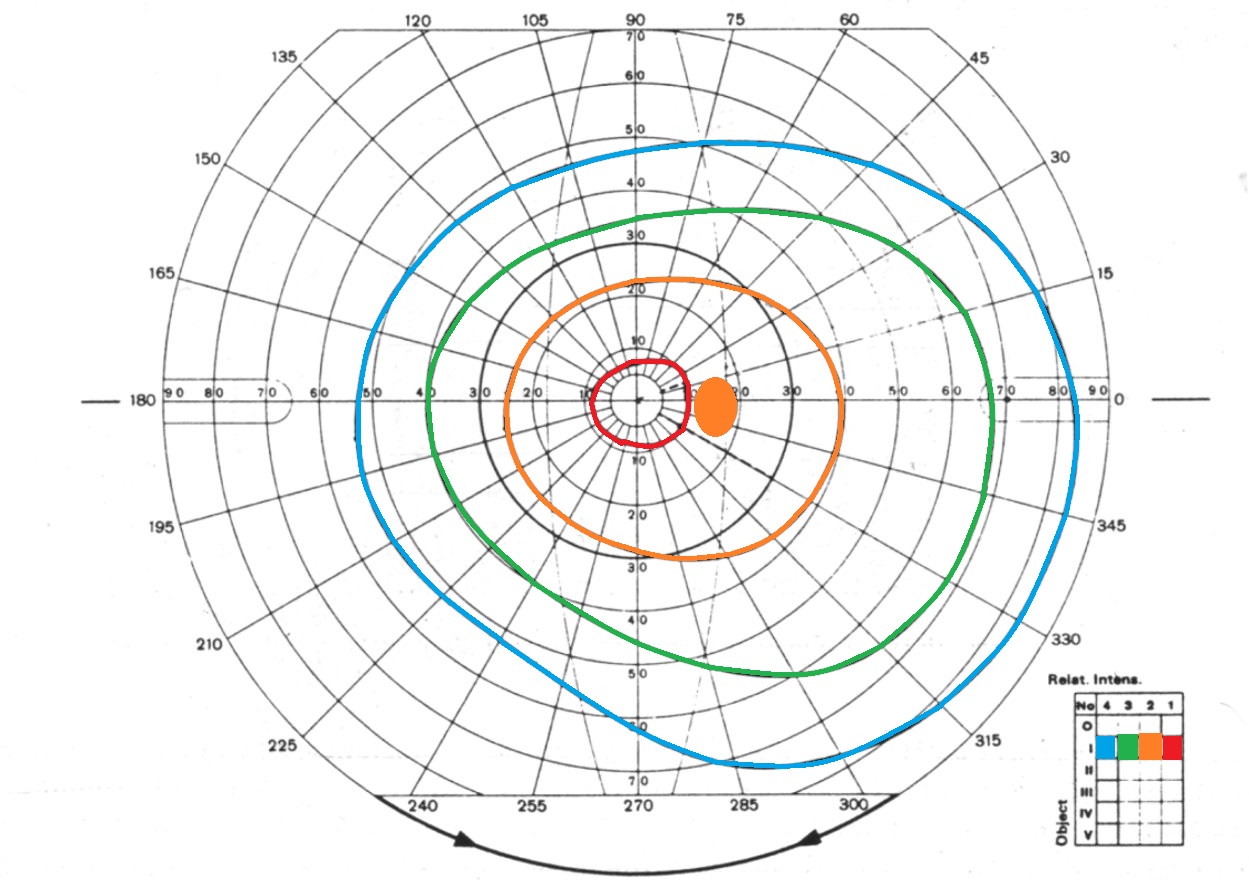
Illustration of visual field loss in advanced glaucoma
Glaucoma is a degenerative disease of the optic nerve characterised by gradual, progressive visual field loss. It is currently the second leading cause of blindness overall and the leading cause of irreversible blindness worldwide.
The visual field is the area of space an eye can see while looking steadily at a particular point.
An estimated ninety million people worldwide are affected by the disease.
In Portugal, the latest figures suggest approximately one hundred thousand people with glaucoma and six thousand who are blind because of it.
Glaucoma can occur at any age, but its incidence increases from the age of forty and in certain risk groups, including people with:
• Ocular hypertension — the main risk factor
• A family history of glaucoma
• Black or Asian ancestry
• Diabetes
• High myopia
• Eye inflammation or injury
• Prolonged corticosteroid use
A complete absence of symptoms until advanced stages is common to most types of glaucoma and accounts for many late diagnoses.
Late awareness of the disease occurs because, in general:
• Ocular hypertension has no symptoms
• Early visual field defects are peripheral and difficult to notice
• Redundancy mechanisms in the visual system compensate for and mask existing defects, making them imperceptible until advanced disease
Because established damage is irreversible, early diagnosis is essential to reduce glaucoma's impact. Regular follow-up with an ophthalmologist is therefore fundamental.
Despite the absence of symptoms, assessment by a specialist using the necessary additional tests is sufficient for early detection.
There are several types of glaucoma, depending on its origin (primary or secondary) and the width of the angle (open-angle or angle-closure glaucoma).
Although glaucoma has no definitive cure, existing treatments (medication, laser and surgery) usually slow or inhibit progression sufficiently to prevent it from affecting the patient's daily life.
Given glaucoma's substantial global impact, ongoing research and effort address its many challenges, including:
• Early diagnosis
• Treatment adherence
• Progression (timely detection and control with increasingly effective, less invasive methods)
• Tackling misinformation
In this context, the following guidance is worth remembering:
• Have regular eye examinations with an ophthalmologist
• Know the risk factors for glaucoma
• If you have glaucoma, tell your relatives so they can be screened early
• Do not wait for symptoms: they appear late, and established defects are almost always irreversible
• Despite the risk of blindness, early detection and appropriate treatment reduce this risk. Acting promptly can make a difference
Learn more:
 Watch video on YouTube ↗Original video in Portuguese
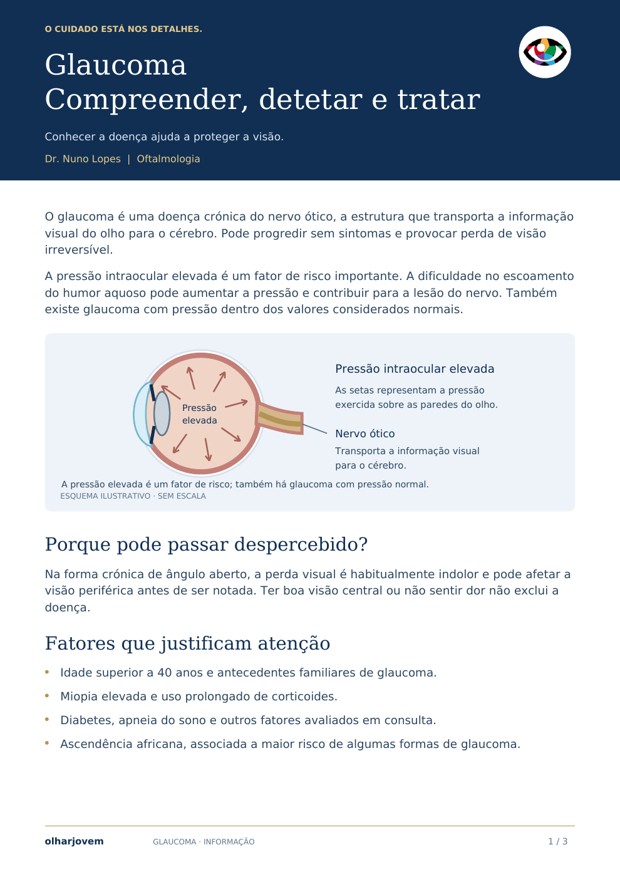
PATIENT GUIDE
Information on the disease, tests, treatments and application of eye drops.
This information does not replace an individual medical assessment. Follow the advice of the team looking after you.
Dr. Nuno Lopes · Patient information
Editorial presentation updated on 27 October 2026. Your team's individual instructions take priority.
CONTINUE READING
High eye pressure is not the same as glaucoma. Understand the difference, the tests and the importance of personalised follow-up.
Read article ↗Glaucoma is currently one of the world's leading causes of irreversible blindness.
Read article ↗
Learn about safer trabeculectomy and explore an animation of drainage controlled by a scleral flap, following an approach similar to Moorfields Safer Surgery.
Read article ↗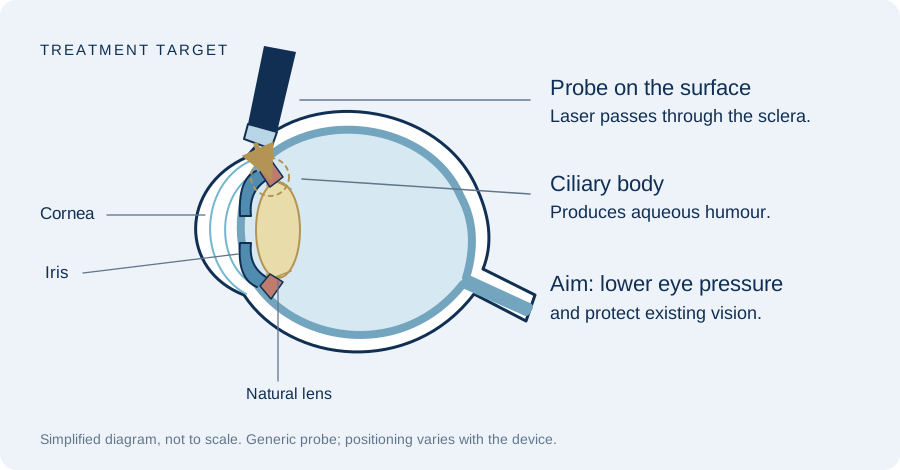
Micropulse and conventional G-probe laser: how they work, when they are considered and what to expect during recovery.
Read article ↗