


Red eye
Red eye has many causes, almost always benign, such as conjunctivitis.
Read article ↗
Eye conditions · 2 MIN READ
WHAT YOU NEED TO KNOW
Allergic conjunctivitis is a reaction of the conjunctiva to substances such as pollen, dust mites, animal hair or moulds. It is not contagious. It may occur only at certain times of year, especially spring, or all year round, and often goes with hay fever, asthma or atopic dermatitis.
FROM ALLERGEN TO REACTION
Why the eye reacts
On contact with the allergen, the conjunctiva releases histamine: itching, redness and swelling.
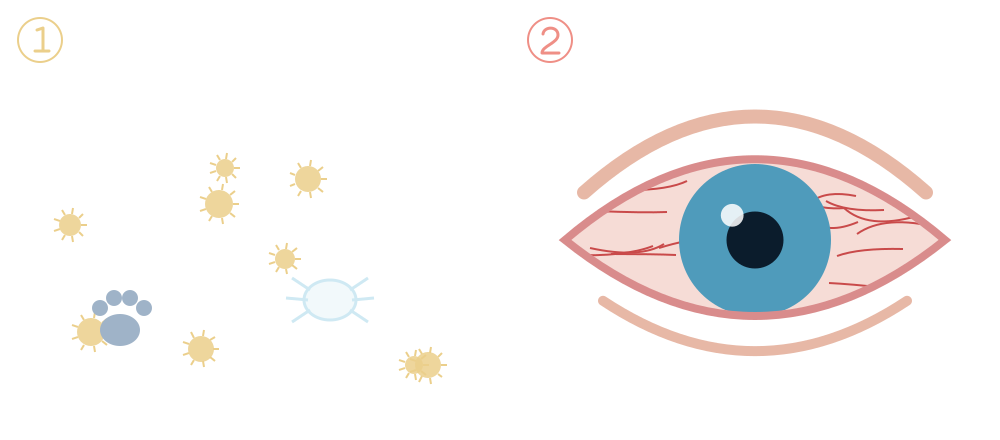
Pollen, dust mites, animal hair and moulds are the most common.
Itching, red eye, watering and swollen eyelids, in both eyes.
Anti-allergy eye drops, with combined antihistamine and stabilising action, relieve itching within minutes and can be used throughout the allergy season. Anti-allergy tablets help when there are also nasal symptoms. Corticosteroid drops are kept for severe flare-ups and should only be used on the advice and under the supervision of an ophthalmologist, as they can raise eye pressure and promote cataract. Severe forms in children and young people may need specific treatment.
Seek assessment if there is pain, marked light sensitivity, reduced vision or if symptoms affect only one eye: these may indicate another cause.
This information does not replace an individual medical assessment. Follow the advice of the team looking after you.
Clinical responsibility: Dr. Nuno Lopes · Ophthalmology
Page update:
This date refers to the page presentation and organisation.
CONTINUE READING
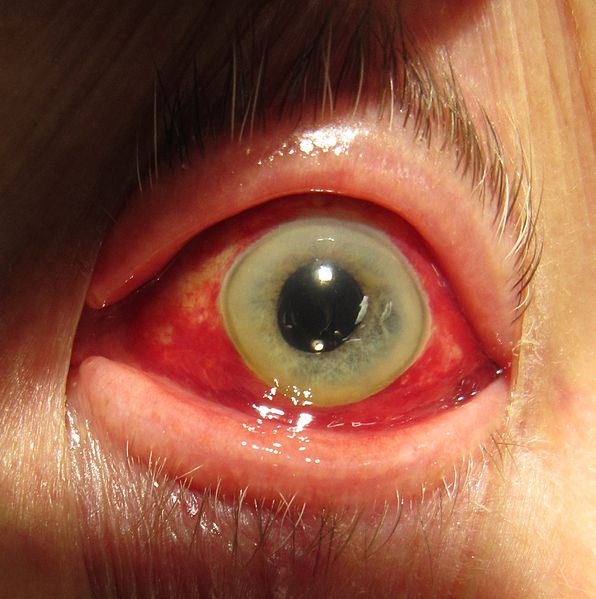
Red eye has many causes, almost always benign, such as conjunctivitis.
Read article ↗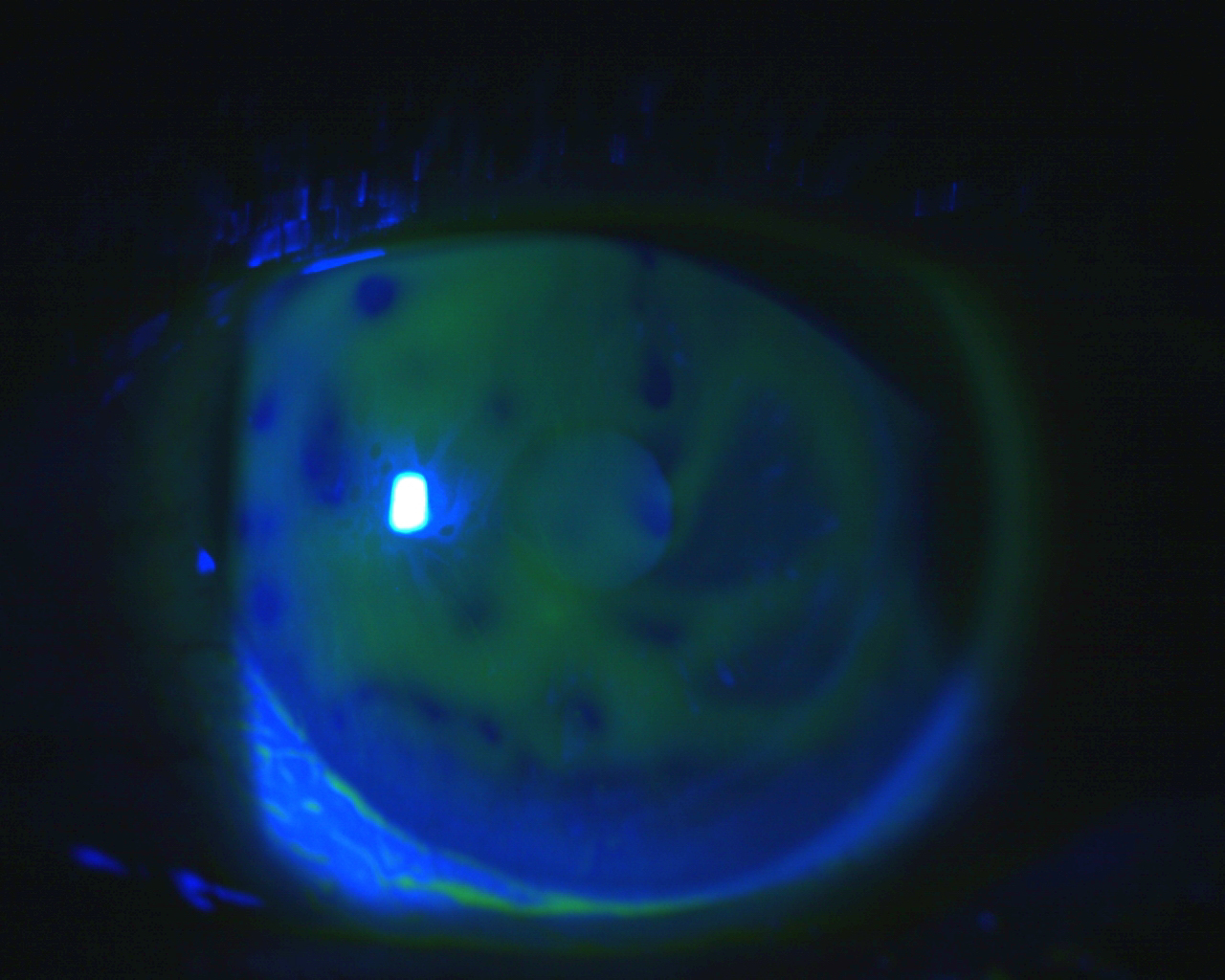
Dry eye occurs when tears are insufficient or of poor quality to protect the surface of the eye.
Read article ↗
In keratoconus, the cornea gradually thins and bulges into a cone shape.
Read article ↗