


Amblyopia (“lazy eye”)
In amblyopia, the brain partly “switches off” an eye that did not receive a clear image during childhood.
Read article ↗
Eye conditions · 2 MIN READ
WHAT YOU NEED TO KNOW
The upper eyelid is lifted by a muscle and its tendon. When this tendon stretches or the muscle weakens, the eyelid droops. Ptosis may be mild and only cosmetic, or cover part of the pupil and reduce the upper field of vision. To compensate, many people raise their eyebrows or tilt their head back, which is tiring and causes headaches.
SEEN FROM THE FRONT
Eyelid position
In ptosis, the eyelid can end up covering the pupil.
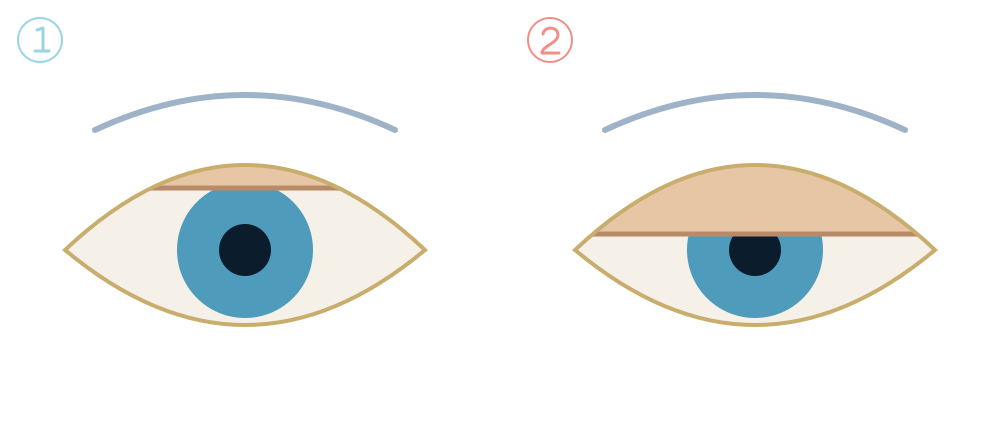
The eyelid edge covers only 1 to 2 mm of the top of the iris.
The eyelid drops and reduces the upper field of vision; it may cover the pupil.
A ptosis that appears suddenly, especially with double vision, headache, eye pain or pupils of different sizes, may indicate a neurological problem and needs urgent assessment.
Once the cause is clear, correction is surgical: the muscle tendon is repositioned or shortened to lift the eyelid. It is usually done under local anaesthesia as day surgery. Ptosis often coexists with excess eyelid skin (dermatochalasis), which can be corrected in the same operation. In the first days there is swelling and bruising, and lubricants may be needed, as the eyelid may not close fully for a while.
This information does not replace an individual medical assessment. Follow the advice of the team looking after you.
Clinical responsibility: Dr. Nuno Lopes · Ophthalmology
Page update:
This date refers to the page presentation and organisation.
CONTINUE READING
In amblyopia, the brain partly “switches off” an eye that did not receive a clear image during childhood.
Read article ↗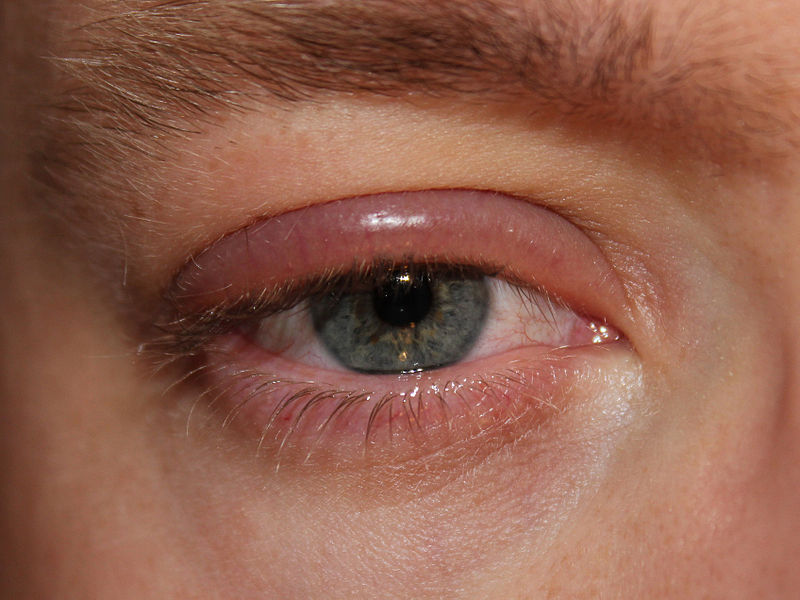
Blepharitis is a very common, often chronic inflammation of the eyelids.
Read article ↗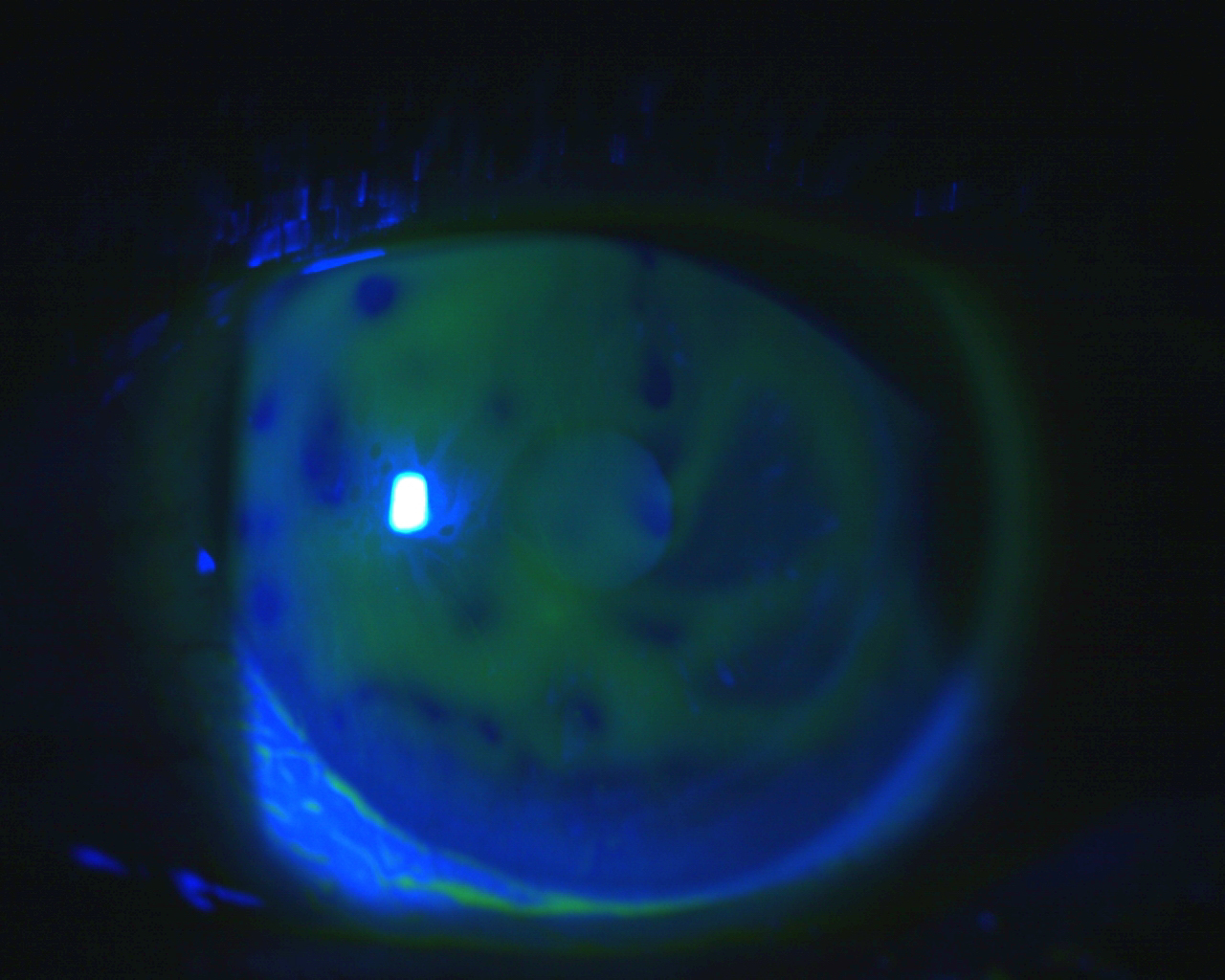
Dry eye occurs when tears are insufficient or of poor quality to protect the surface of the eye.
Read article ↗