


How to use eye drops or eye ointment
Wash your hands, tilt your head back, pull down your lower eyelid and let one drop fall, without touching the eye with the bottle.
Read article ↗
Questions and Guidance · 3 MIN READ
WHAT YOU NEED TO KNOW
Glaucoma eye drops are used every day, often for years. Knowing the most common side effects helps you understand what is expected, what can be solved and when to talk to your doctor. There are almost always alternatives.
| Group | Most common effects | Worth knowing |
|---|---|---|
| Prostaglandin analogues | Red eye, especially in the first weeks; longer, darker eyelashes; darkening of the eyelid skin; gradual darkening of the iris; sometimes more sunken eyes. | Iris darkening is permanent and mainly noticeable in mixed-colour eyes, such as green-brown. The skin and eyelashes return to normal after stopping. |
| Beta blockers | Mild stinging; tiredness; slower heart rate; shortness of breath or wheezing. | Not suitable for people with asthma, severe COPD or certain heart rhythm problems. Say if you take heart medicines. |
| Alpha-2 agonists | Allergy with red, itchy eyes, sometimes after months; dry mouth; drowsiness. | Must not be used in children under 2 years of age. |
| Carbonic anhydrase inhibitor drops | Stinging on application; bitter or metallic taste; blurred vision for a few minutes. | The taste is reduced if you close your eyes after the drop. |
| Carbonic anhydrase inhibitor tablets | Tingling in the hands and feet; passing urine more often; tiredness; altered taste. | Usually used for a short time. Say if you are allergic to sulfonamides or have kidney stones. |
| Miotics | Headache around the forehead; dimmer vision at night; more blurred distance vision. | Less used today. Take care when driving at night. |
Many bottles contain a preservative, benzalkonium chloride, which over the years can irritate the surface of the eye and cause stinging, a gritty feeling, dry eye and red eye. There are preservative-free drops, in special bottles or single-dose units. If you have dry eye or use several drops, ask whether you can switch.
AFTER PUTTING IN THE DROP
Close your eyes and press the corner
More medicine stays in the eye and less passes into the nose and bloodstream.
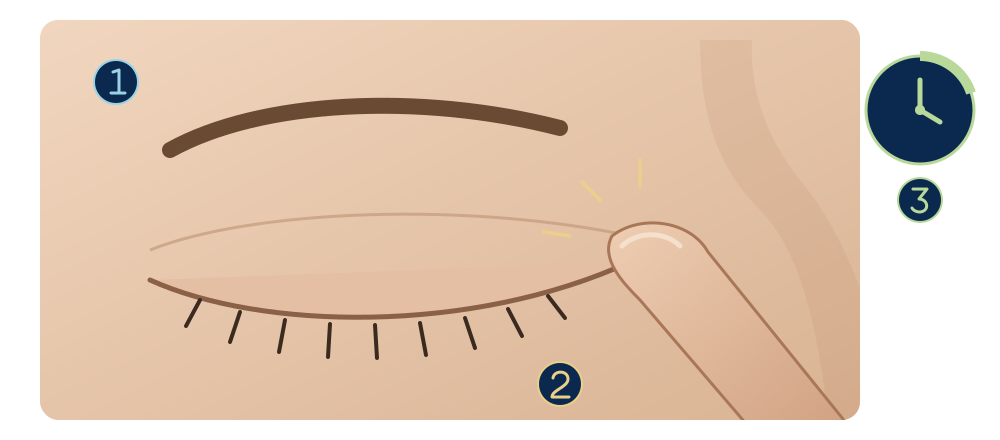
Close your eyes gently, without squeezing or blinking, for about 3 minutes.
If you like, press gently with your fingertip on the corner of the eye next to the nose. Wipe away any excess with a tissue.
If you use more than one drop, wait at least 5 minutes between different drops.
Stopping your drops raises the pressure without causing symptoms. If a side effect bothers you, there are almost always alternatives: another drop, a preservative-free version, a combination of two medicines in one bottle to reduce the number of drops, SLT laser or surgery. Bring the list of drops you use to your appointment and describe what you feel.
Side effects are a reason to talk to your doctor, not to stop treatment. With the right drop, most people use their treatment for years without problems.
Learn more:
This information does not replace an individual medical assessment. Follow the advice of the team looking after you.
Clinical responsibility: Dr. Nuno Lopes · Ophthalmology
Page update:
This date refers to the page presentation and organisation.
Clinical review: Dr. Nuno Lopes ·
CONTINUE READING
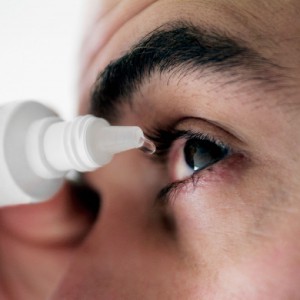
Wash your hands, tilt your head back, pull down your lower eyelid and let one drop fall, without touching the eye with the bottle.
Read article ↗
The aim is to lower intraocular pressure to halt the progression of the disease.
Read article ↗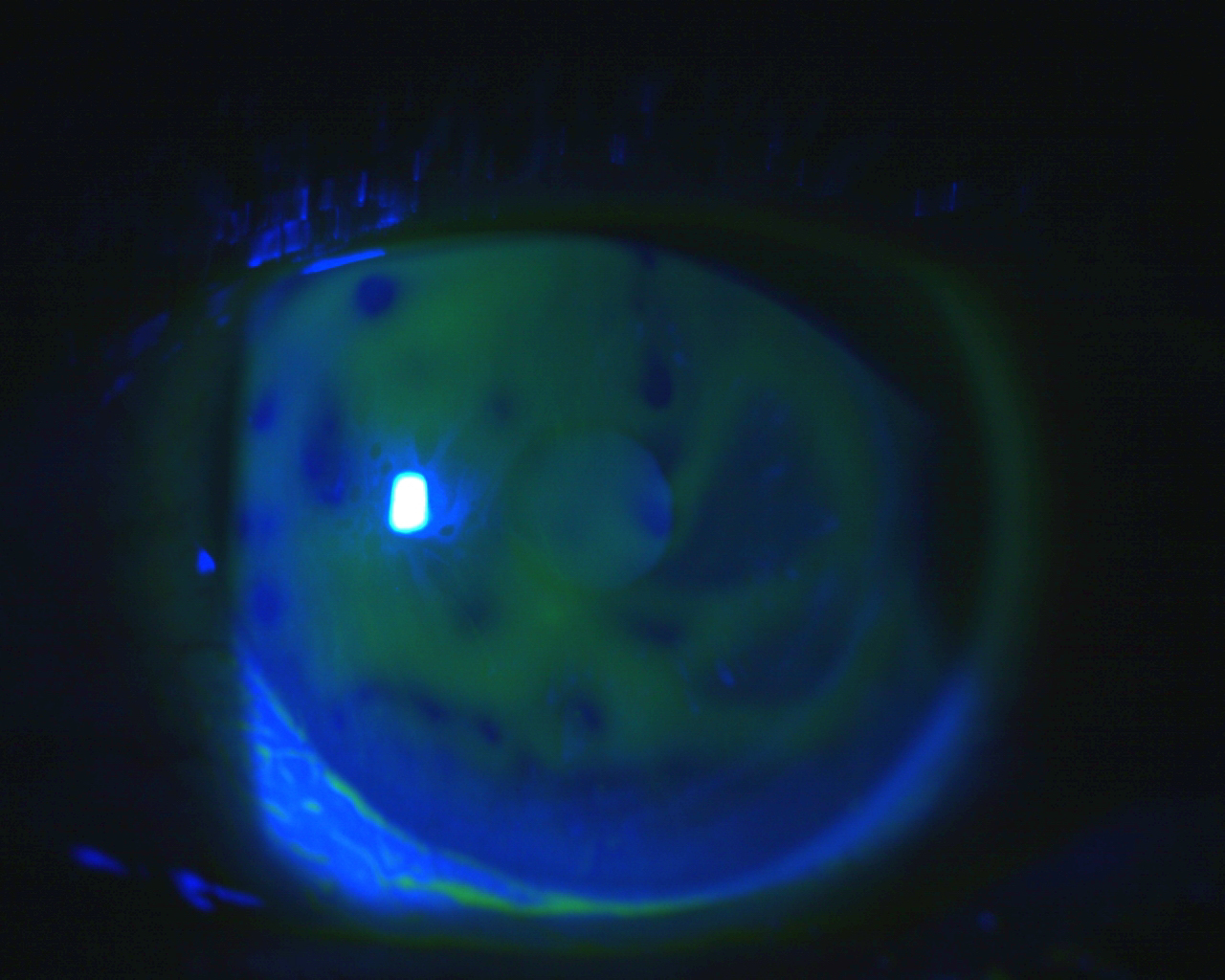
Dry eye occurs when tears are insufficient or of poor quality to protect the surface of the eye.
Read article ↗