


How is open-angle glaucoma distinguished from angle-closure glaucoma?
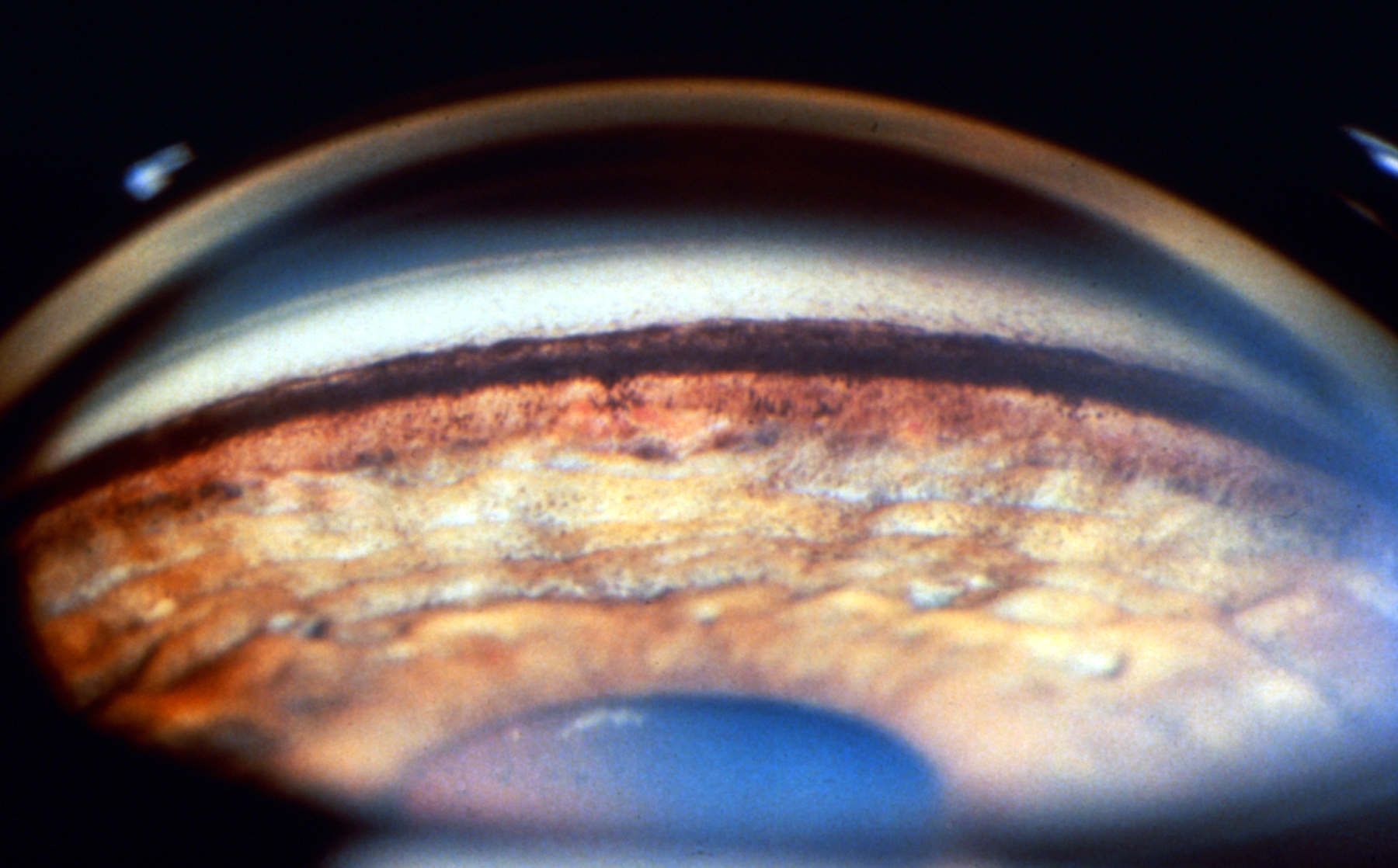
The difference lies in the angle of the eye through which the internal fluid drains.
Read article ↗
Questions and Guidance · 4 MIN READ
WHAT YOU NEED TO KNOW
Many patient leaflets say that a medicine is contraindicated in glaucoma. The warning is alarming, but for most people with glaucoma it does not apply. It all depends on the type of glaucoma and on the treatment already received.
In open-angle glaucoma, the most common type, the area through which fluid leaves the eye is open, and dilating the pupil does not close it. In closed or narrow angles, the iris lies very close to this drainage area. Some medicines dilate the pupil or push the iris forward and can suddenly close the drainage.
WHY THE TYPE OF GLAUCOMA MATTERS
Open angle and narrow angle
Fluid produced inside the eye drains through the angle, between the iris and the cornea.
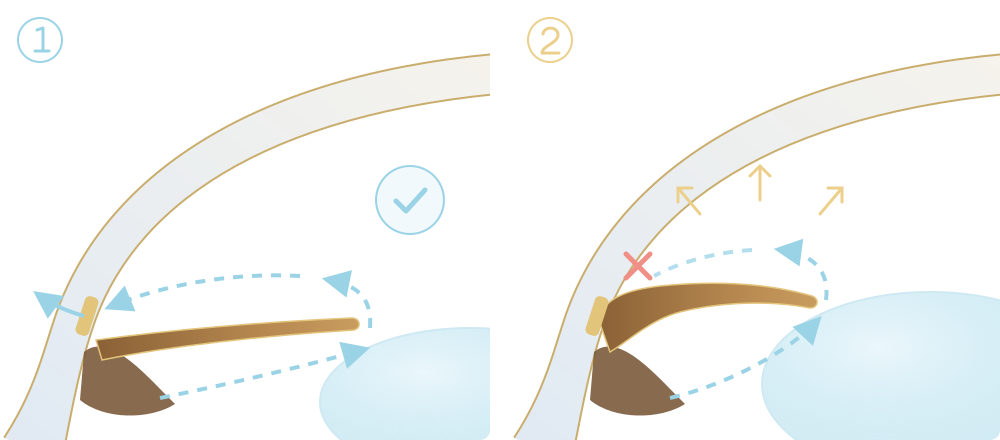
Fluid drains freely. Even with the pupil dilated, the drainage stays open. This is the case for most people with glaucoma.
When the pupil dilates, the iris can fold and press against the drainage area. Fluid stops draining and the pressure rises within hours.
When this happens, an acute glaucoma attack occurs: severe eye pain, a red eye, blurred vision, coloured halos around lights, headache and sometimes nausea or vomiting. It is an emergency and you should go immediately to an emergency department with ophthalmology.
After a laser iridotomy or cataract surgery, the risk of an attack is, in most cases, much lower. Even so, only your ophthalmologist can confirm whether the angle is open and whether you can take these medicines safely. Keep this information and show it to your family doctor and at the pharmacy.
Corticosteroids, often called cortisone or steroids, can raise eye pressure. This happens in about one in three to four people, and more often in people with glaucoma or a family history of glaucoma. The risk is greatest with corticosteroids applied in or around the eye: drops, ointments on the eyelids and injections. It can also occur with tablets, injections, inhalers, nasal sprays or creams used for a long time.
This rise causes no symptoms. It usually appears weeks after starting and, in most people, disappears a few weeks after stopping. If you need corticosteroids for more than a few weeks, tell your ophthalmologist so that your eye pressure can be checked. Never stop a corticosteroid suddenly without talking to the person who prescribed it.
Glaucoma eye drops pass into the bloodstream in small amounts. Beta-blocker drops can lower the heart rate and worsen asthma or COPD, especially if you also take tablets from the same group for your heart or blood pressure. Always include your eye drops in the list of medicines you show to any doctor, dentist or pharmacist.
Some studies have observed less glaucoma in people taking certain medicines, such as statins for cholesterol or some medicines for diabetes. These results are not yet confirmed and do not justify starting any medicine to prevent glaucoma.
For most people with open-angle glaucoma, everyday medicines can be taken normally. The most important exceptions are corticosteroids and, in untreated angle closure, medicines that dilate the pupil.
This information does not replace an individual medical assessment. Follow the advice of the team looking after you.
Clinical responsibility: Dr. Nuno Lopes · Ophthalmology
Page update:
This date refers to the page presentation and organisation.
Clinical review: Dr. Nuno Lopes ·
CONTINUE READING
The difference lies in the angle of the eye through which the internal fluid drains.
Read article ↗
The aim is to lower intraocular pressure to halt the progression of the disease.
Read article ↗
Most side effects are mild, and many improve over time or with a change of drops.
Read article ↗