


Vision and sport: see better, play better
Visual assessment, correction and eye protection tailored to the demands of each sport.
Read article ↗
Questions and Guidance · 3 MIN READ
WHAT YOU NEED TO KNOW
People with glaucoma often ask whether they can exercise, drink coffee or travel. The answer is almost always yes. There are only a few precautions, because certain positions and efforts raise eye pressure for a few minutes.
IN EVERYDAY LIFE
What you can do
In most cases the answer is yes. Some activities need only small adjustments.

Recommended
Slightly lowers eye pressure and is good for the circulation.

With adjustments
Avoid holding head-down positions for long.

With care
Moderate loads, breathing out during the effort, without holding your breath.

In moderation
In usual amounts it does not appear to be harmful.

No restrictions
Carry your eye drops in your hand luggage.

No restrictions
Does not worsen glaucoma.
Aerobic exercise, such as walking, running, swimming or cycling, slightly lowers eye pressure and is good for the circulation. In a study that measured the daily activity of people with glaucoma, those who walked more lost visual field more slowly: every 5,000 extra steps a day was associated with about 10% slower loss. This is an observed association, not definitive proof, but regular exercise is recommended for everyone with glaucoma. Choose an activity you enjoy and can keep up.
In yoga positions such as “downward dog”, eye pressure rose within about one minute, from 17 to 28 mmHg on average, and returned to baseline two minutes after sitting up. It is not known whether these short rises make glaucoma progress. As a precaution, especially in advanced glaucoma or when pressure is hard to control, avoid holding these positions for long and ask your instructor to adapt the session.
Lifting weights while holding your breath raises eye pressure during the effort, more than when breathing normally. There is no need to give up strength training: use moderate loads, do more repetitions and breathe out as you lift.
In usual amounts, coffee does not appear to be harmful. In a large British study, very high caffeine intake, above about 480 mg a day, roughly four large cups of coffee, was associated with more glaucoma only in people at the highest genetic risk. If you have glaucoma and relatives with glaucoma, it is sensible not to overdo it.
Drinking a lot of water at once, for example a litre within a few minutes, also raises eye pressure temporarily. It is better to drink throughout the day.
No food or supplement treats glaucoma. A diet rich in green leafy vegetables was associated with less glaucoma in a study that followed large groups of people for years, and it is good for your general health. Smoking harms the circulation and increases the risk of other eye diseases, such as cataract and macular degeneration. Cannabis lowers eye pressure for only a few hours, has side effects and is not recommended for treating glaucoma.
You can fly without restrictions. Carry your eye drops in your hand luggage with your list of medicines, and when crossing time zones adjust your schedule as advised by your doctor. If you have had glaucoma surgery, ask your surgeon when you can swim, dive or exert yourself again.
Reading, watching television or working at a computer does not worsen glaucoma. For driving, what counts is your visual field: at your appointments, your ophthalmologist will tell you whether you meet the legal requirements.
Living with glaucoma is, in the vast majority of cases, living normally. What protects your sight most is using your treatment every day and keeping your follow-up appointments.
This information does not replace an individual medical assessment. Follow the advice of the team looking after you.
Clinical responsibility: Dr. Nuno Lopes · Ophthalmology
Page update:
This date refers to the page presentation and organisation.
Clinical review: Dr. Nuno Lopes ·
CONTINUE READING
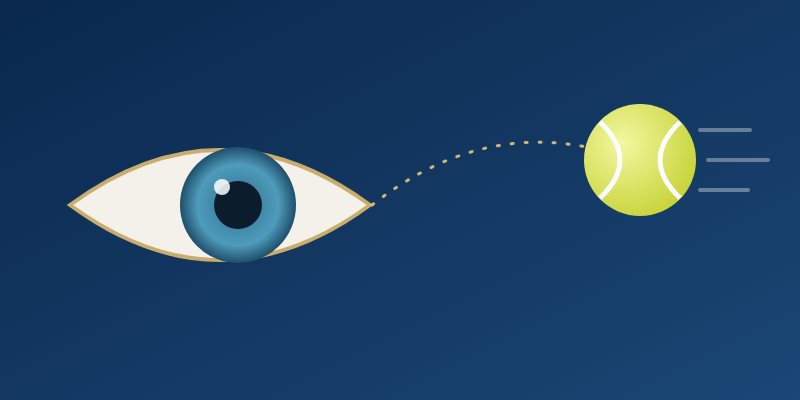
Visual assessment, correction and eye protection tailored to the demands of each sport.
Read article ↗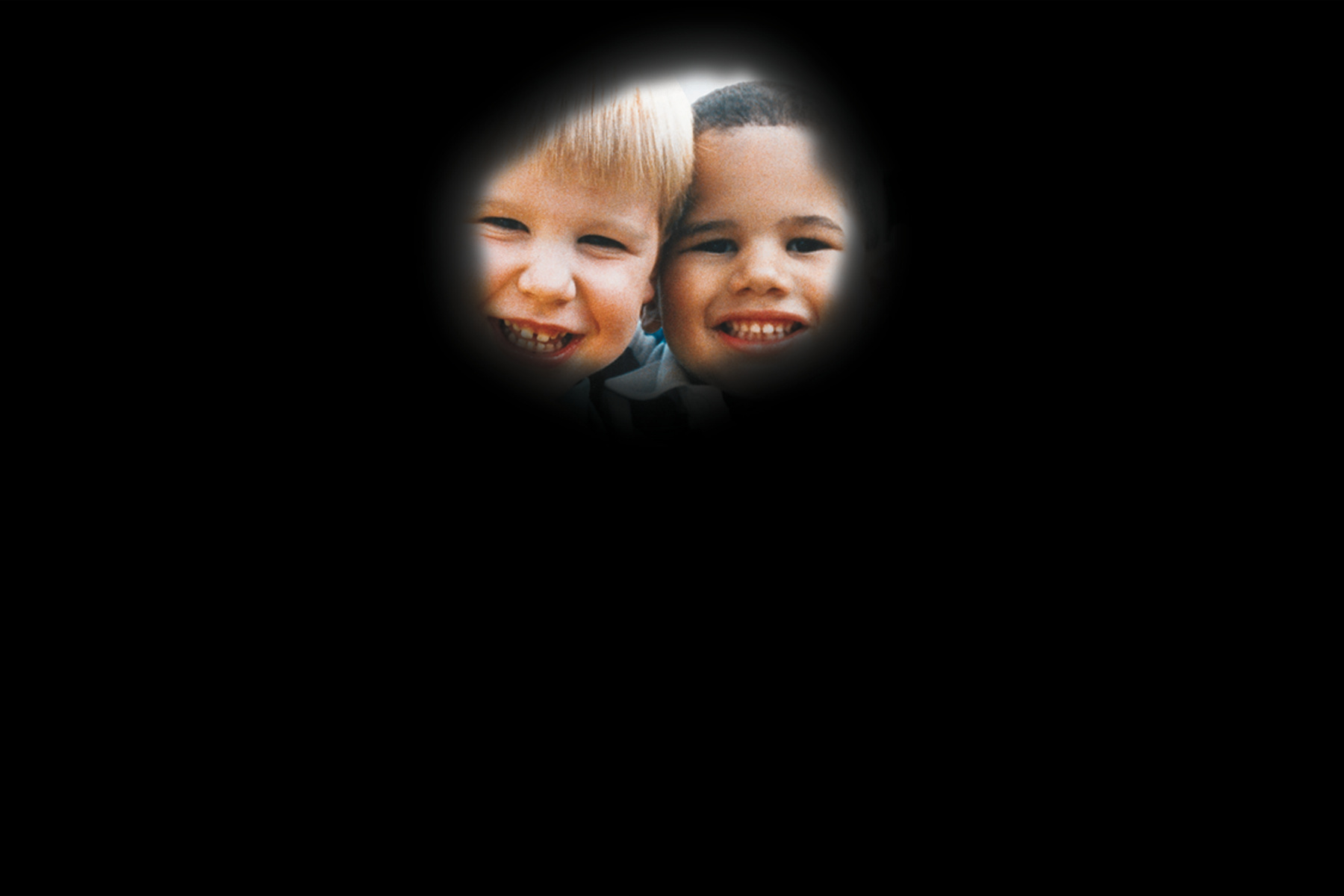
The main risk factor is raised intraocular pressure.
Read article ↗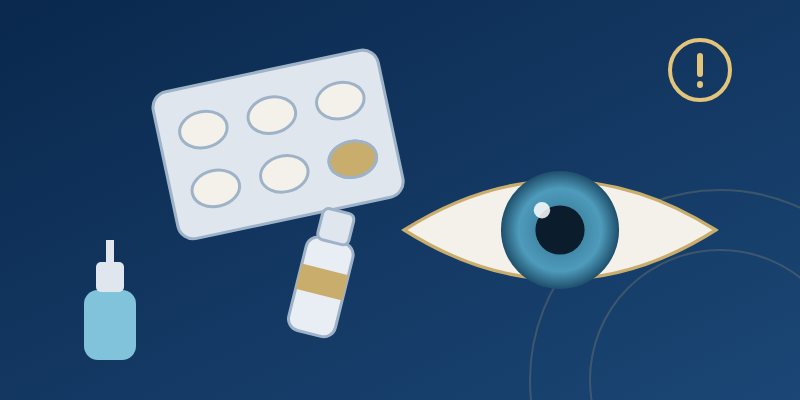
The “contraindicated in glaucoma” warning in leaflets mainly refers to untreated angle-closure glaucoma.
Read article ↗