


Dry eye
Dry eye occurs when tears are insufficient or of poor quality to protect the surface of the eye.
Read article ↗
Questions and Guidance · 2 MIN READ
WHAT YOU NEED TO KNOW
When looking at a screen, we blink much less and incompletely, and tears evaporate. At the same time, the eye keeps focusing up close for hours. The result is burning, dry and red eyes, fluctuating blurred vision, difficulty changing focus and sometimes headache or neck pain. These symptoms are uncomfortable but do not cause permanent damage.
THE 20-20-20 RULE
A simple break for your eyes
The three 20s come from the original measures: minutes, feet and seconds.
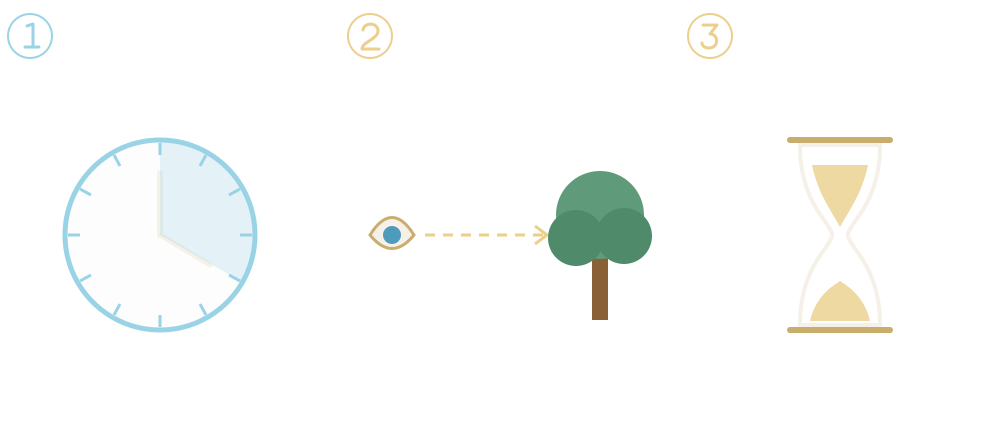
of computer, phone or reading work.
For example, out of the window or across the room: the focusing muscles relax.
And take the chance to blink fully several times.
The blue light emitted by screens is far less than that of sunlight and there is no evidence that it damages the retina. Blue-light filters in glasses have not been shown to reduce eye strain. At night, screen light can delay sleep: night mode and switching off screens an hour before bed help you sleep better.
In children, too much close work and too little time outdoors are linked to the onset of myopia.
This information does not replace an individual medical assessment. Follow the advice of the team looking after you.
Clinical responsibility: Dr. Nuno Lopes · Ophthalmology
Page update:
This date refers to the page presentation and organisation.
Clinical review: Dr. Nuno Lopes ·
CONTINUE READING
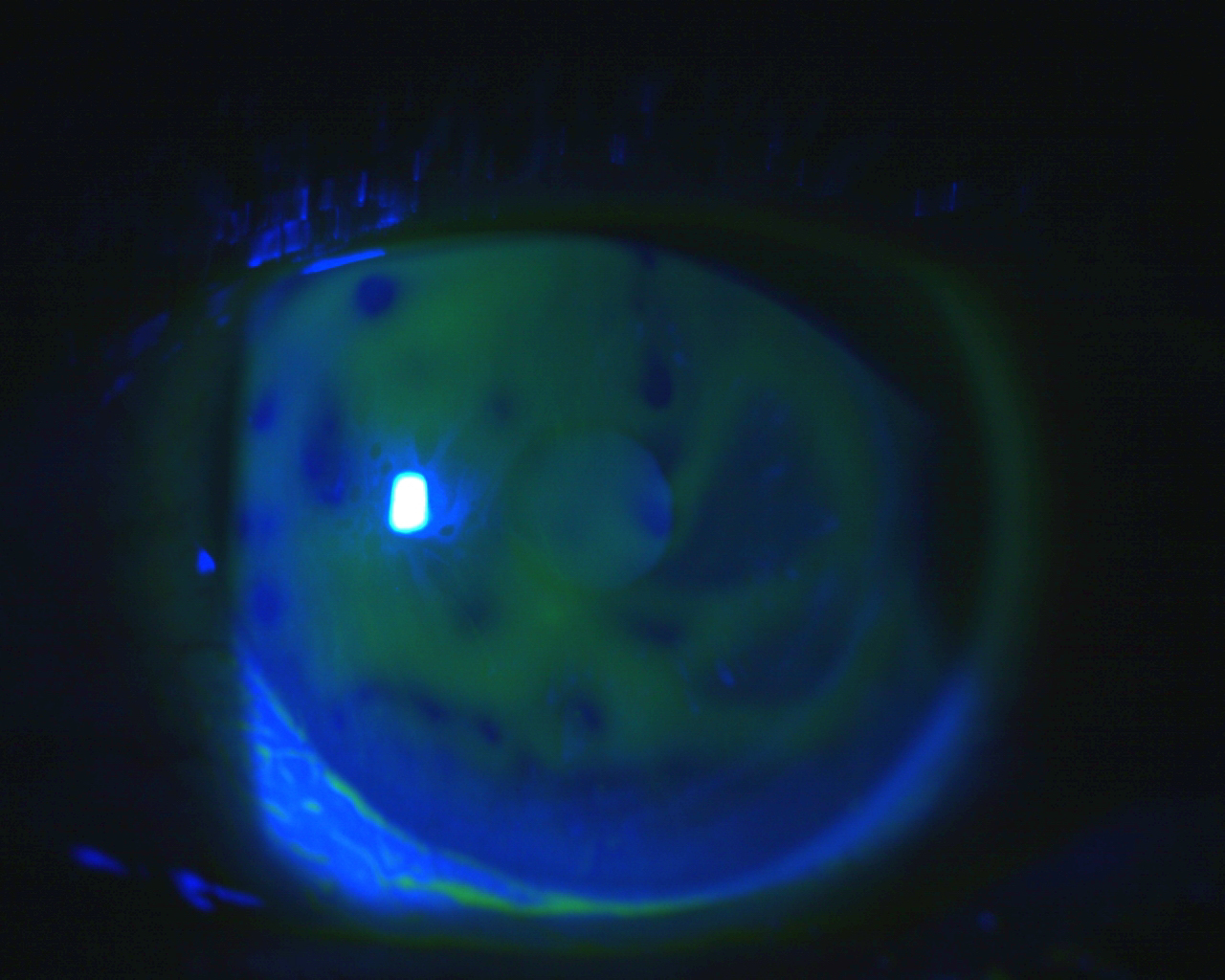
Dry eye occurs when tears are insufficient or of poor quality to protect the surface of the eye.
Read article ↗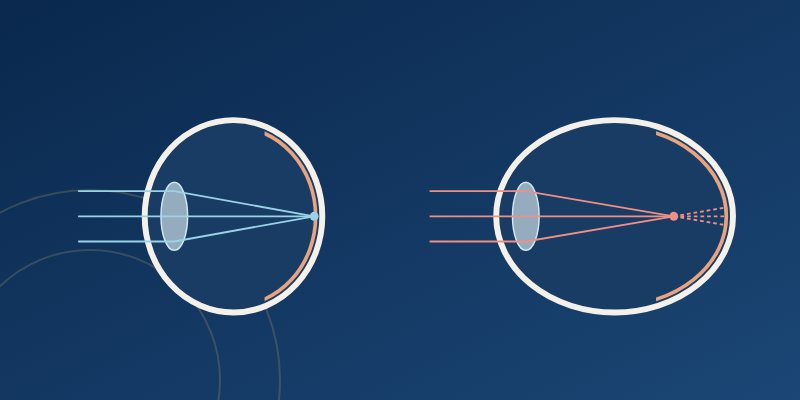
Childhood myopia tends to increase until the late teens, because the eye grows too long.
Read article ↗
Presbyopia is the natural loss of near vision that comes with age.
Read article ↗