


PRK aftercare guide
Preparation and recovery after PRK. General information that does not replace your individual care plan.
Read article ↗
EYE HEALTH · DR. NUNO LOPES
Information on eye conditions, care and guidance for your eye health.
Preparation and recovery after PRK. General information that does not replace your individual care plan.
Read article ↗Preparation, recovery and guides for each stage.
Read article ↗
Visual assessment, correction and eye protection tailored to the demands of each sport.
Read article ↗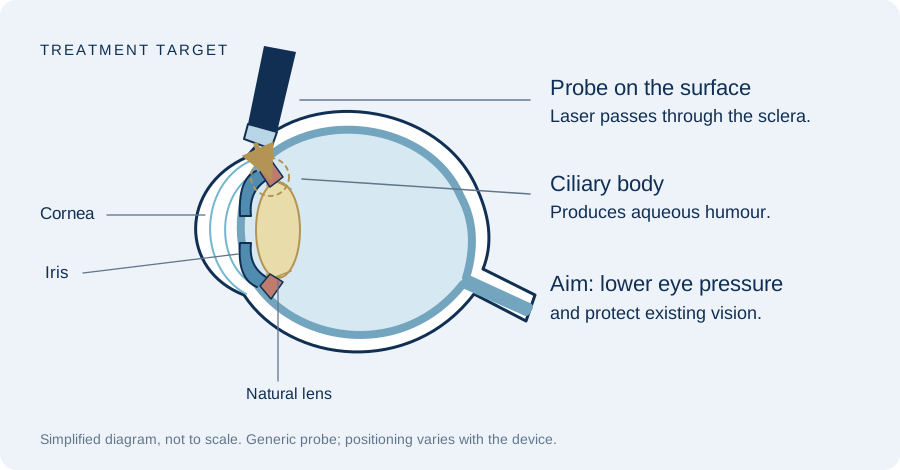
Micropulse and conventional G-probe laser: how they work, when they are considered and what to expect during recovery.
Read article ↗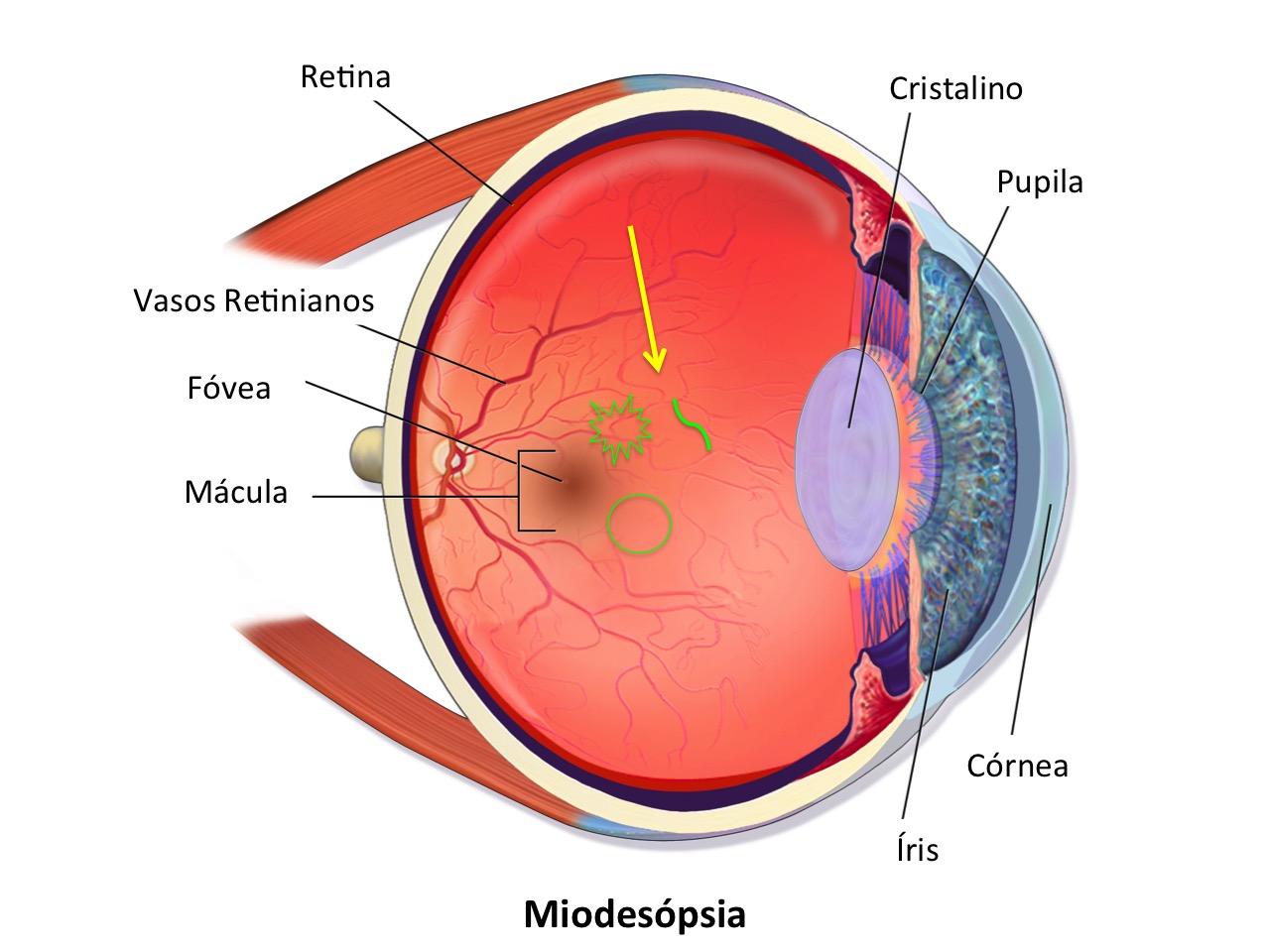
Floaters are shadows that move across the field of vision and are very common with age.
Read article ↗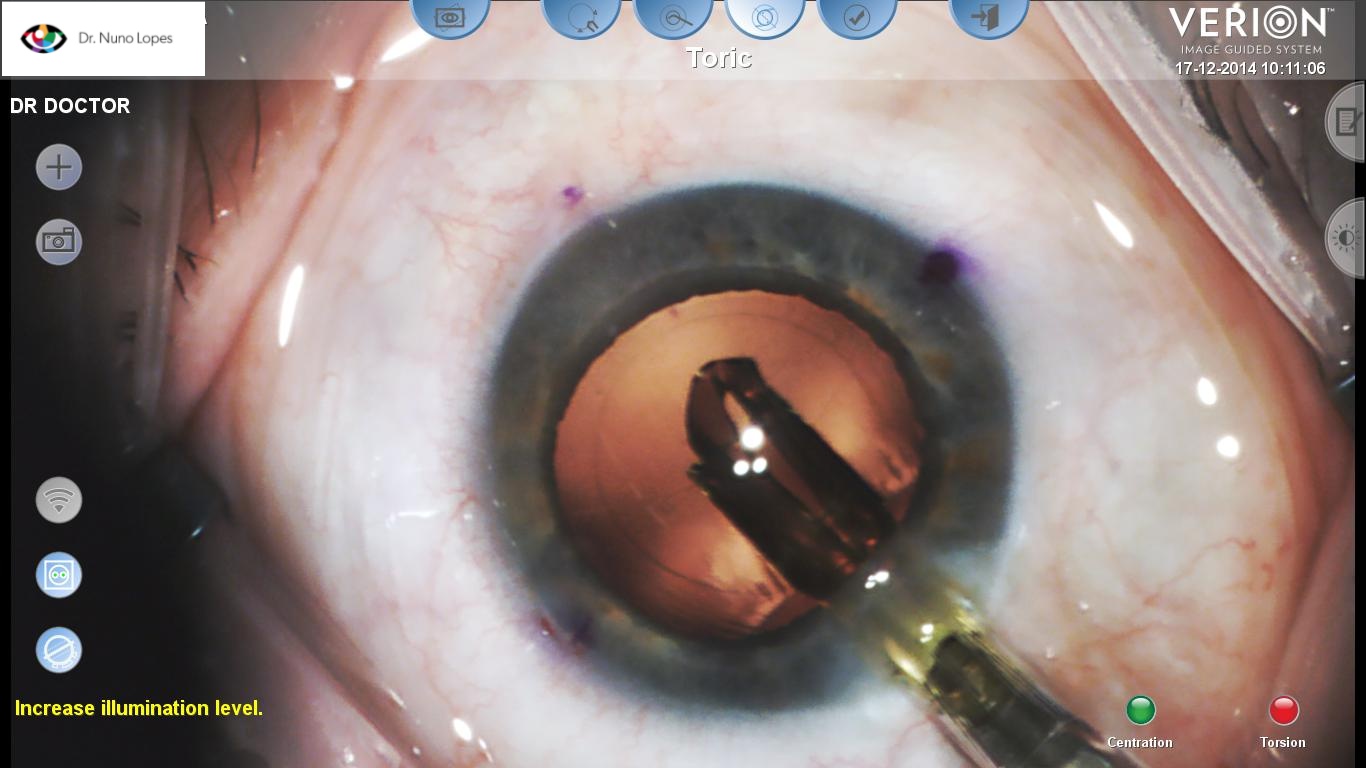
Some refractive error may remain after eye surgery even when the procedure went as planned. Its significance depends on symptoms, achieved vision and individual needs. Not every case requires further surgery.
Read article ↗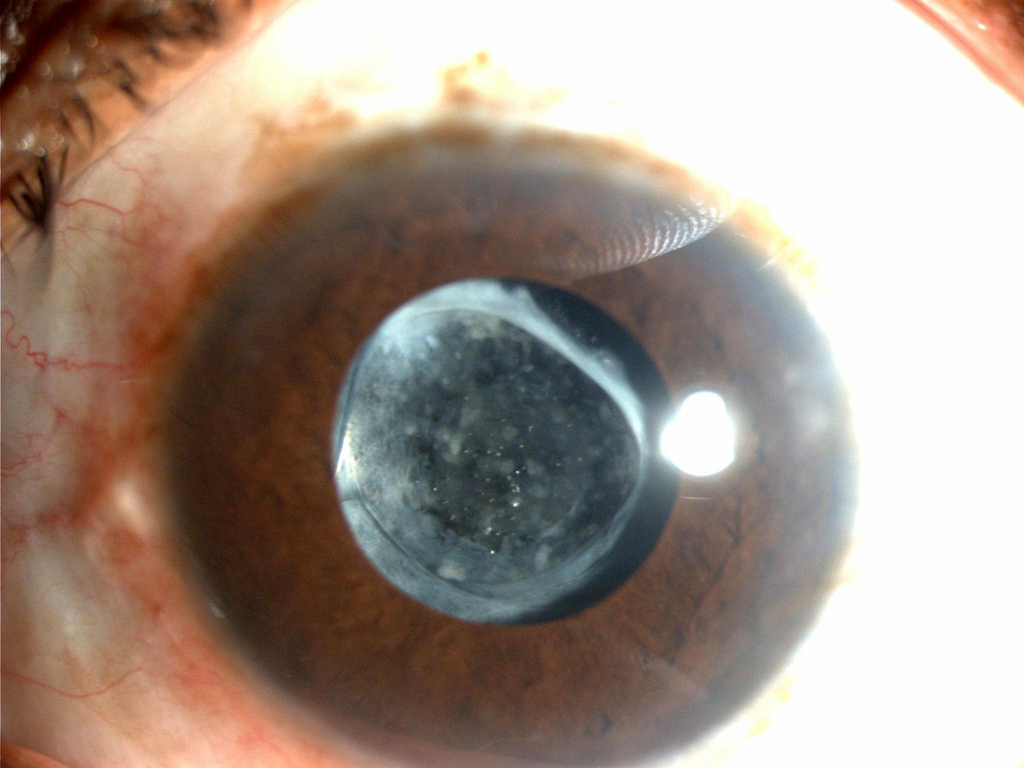
Months or years after cataract surgery, the capsule that holds the intraocular lens may become hazy, and vision becomes cloudy again.
Read article ↗
Presbyopia is the natural loss of near vision that comes with age.
Read article ↗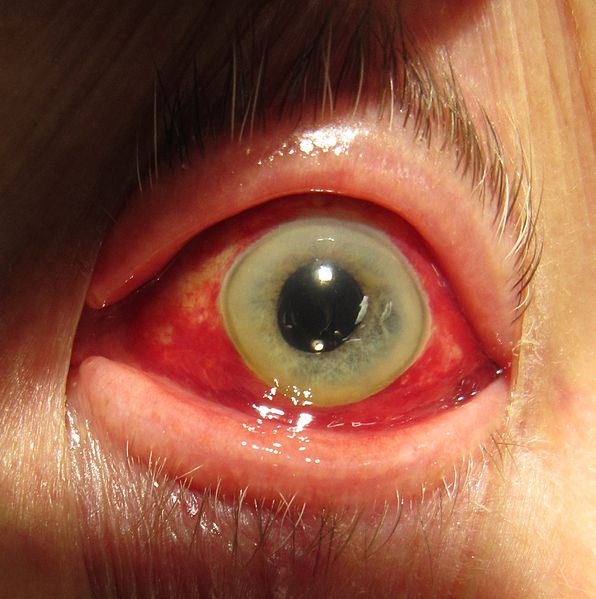
Red eye has many causes, almost always benign, such as conjunctivitis.
Read article ↗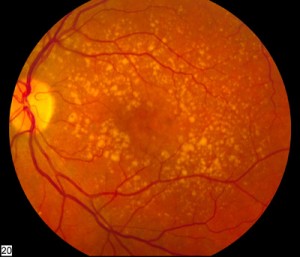
AMD affects the macula, the part of the retina responsible for central, detailed vision.
Read article ↗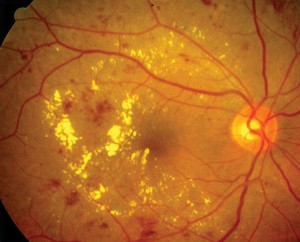
Diabetic retinopathy is the most common eye complication of diabetes.
Read article ↗
Blepharitis is a very common, often chronic inflammation of the eyelids.
Read article ↗
A refractive error exists when light entering the eye is not focused on the retina.
Read article ↗
Dry eye occurs when tears are insufficient or of poor quality to protect the surface of the eye.
Read article ↗
A cataract is clouding of the eye’s natural lens. It can cause blurred vision, glare, difficulty seeing at night and changes in colour perception. These symptoms can also have other causes and should be assessed at an eye appointment.
Read article ↗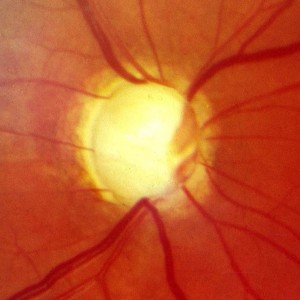
Glaucoma damages the optic nerve and, without treatment, causes vision loss that cannot be recovered.
Read article ↗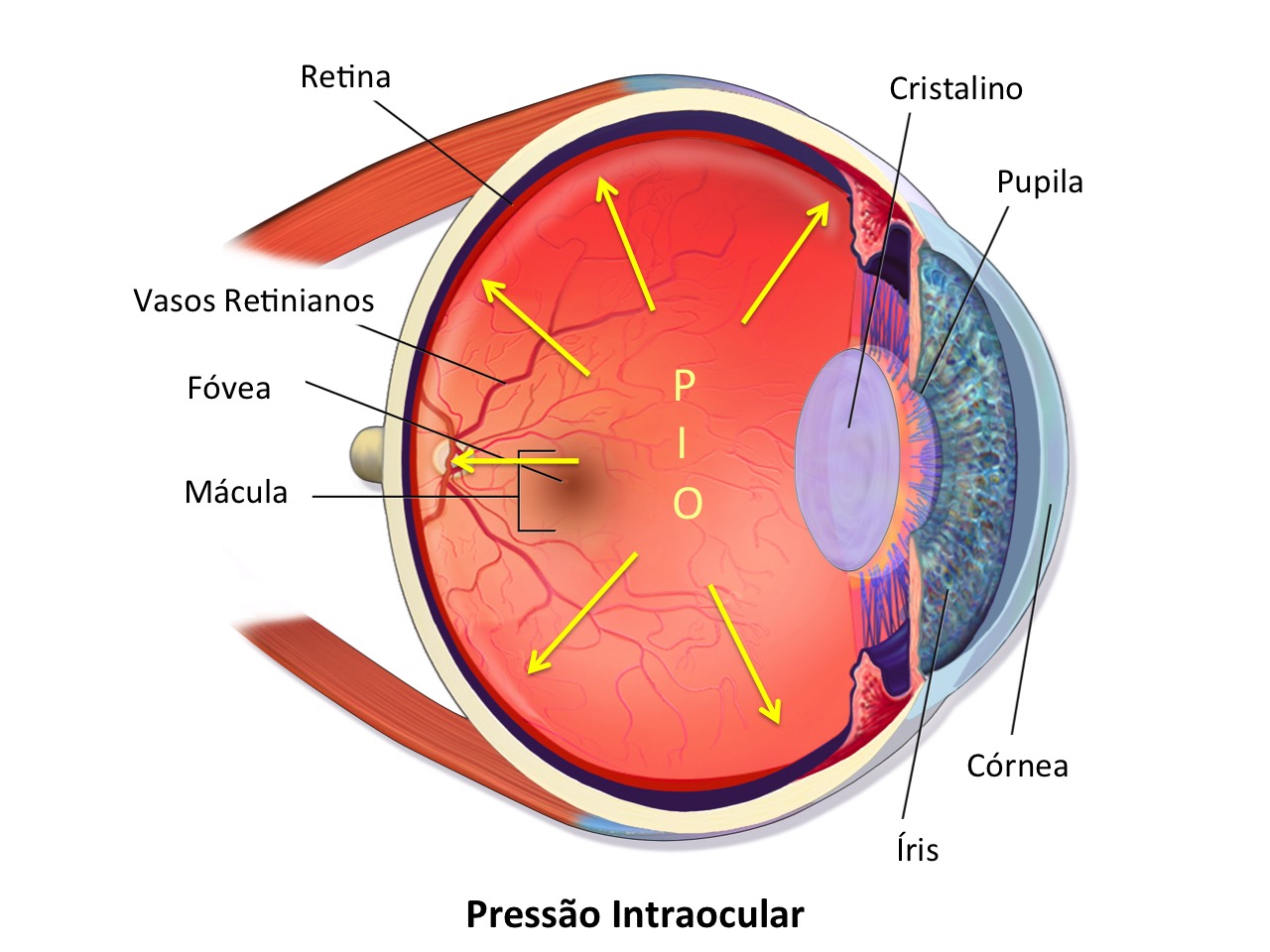
High eye pressure is not the same as glaucoma. Understand the difference, the tests and the importance of personalised follow-up.
Read article ↗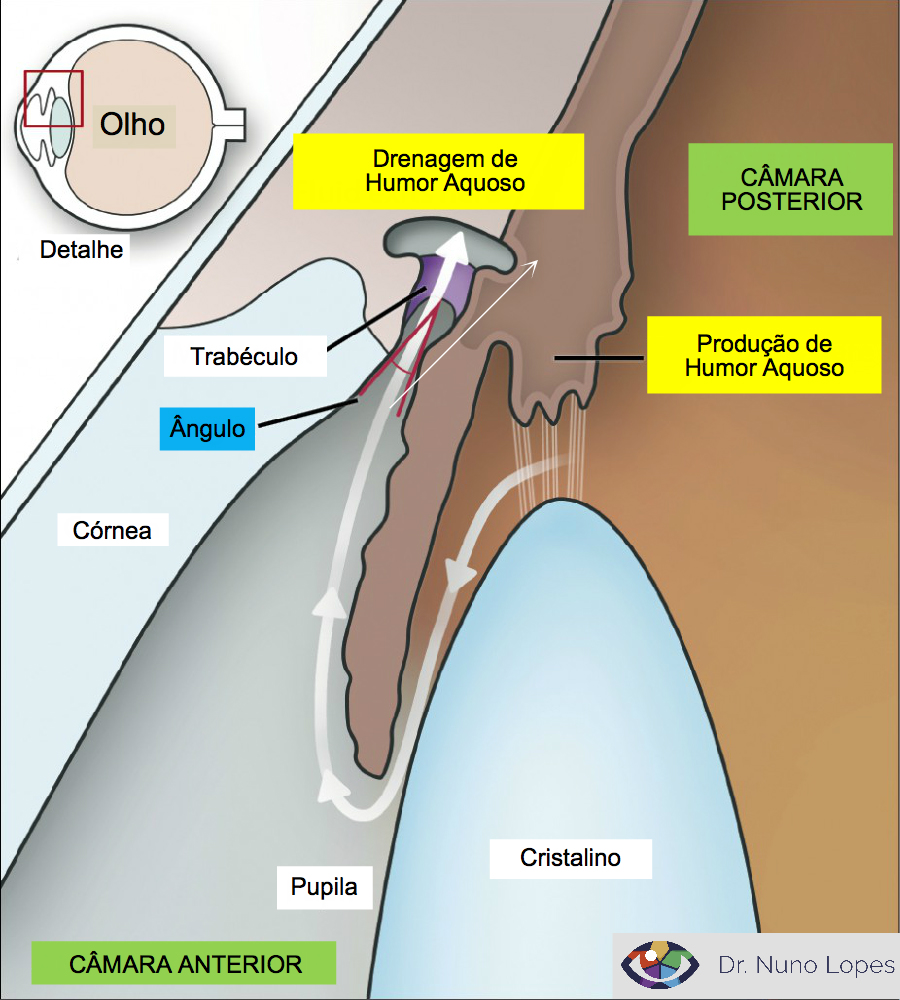
It is the pressure of the fluid inside the eye, measured in millimetres of mercury (mmHg).
Read article ↗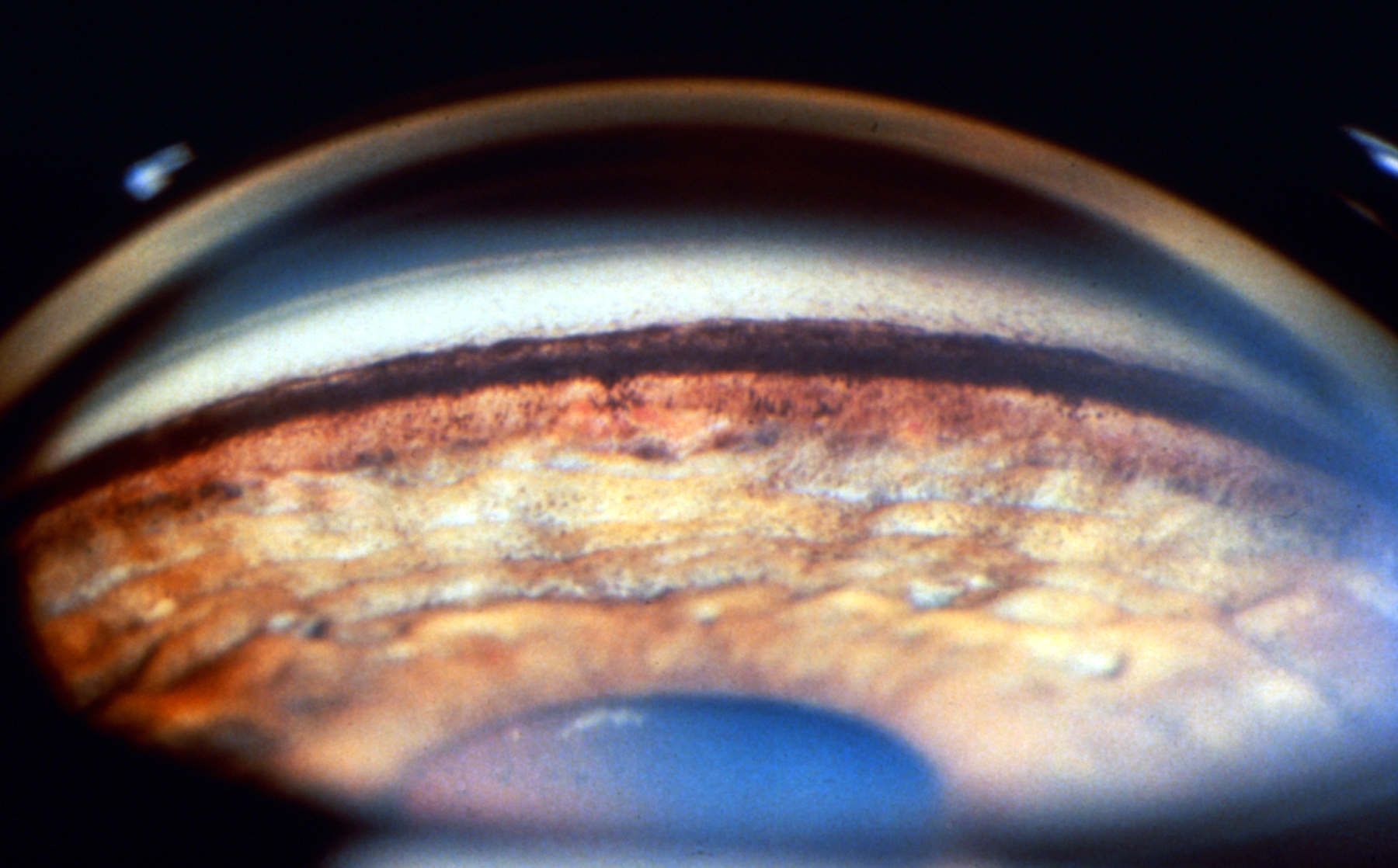
The difference lies in the angle of the eye through which the internal fluid drains.
Read article ↗
In children, vision is monitored from birth by the paediatrician; without symptoms, the first ophthalmology appointment usually takes place between 2 and 3 years of age.
Read article ↗
The aim is to lower intraocular pressure to halt the progression of the disease.
Read article ↗
The most common type, open-angle glaucoma, causes no symptoms in the early stages.
Read article ↗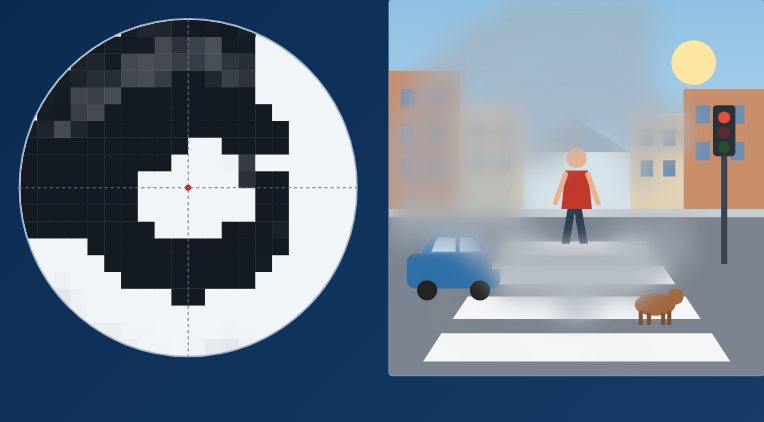
Glaucoma is a disease of the optic nerve that causes gradual loss of the visual field.
Read article ↗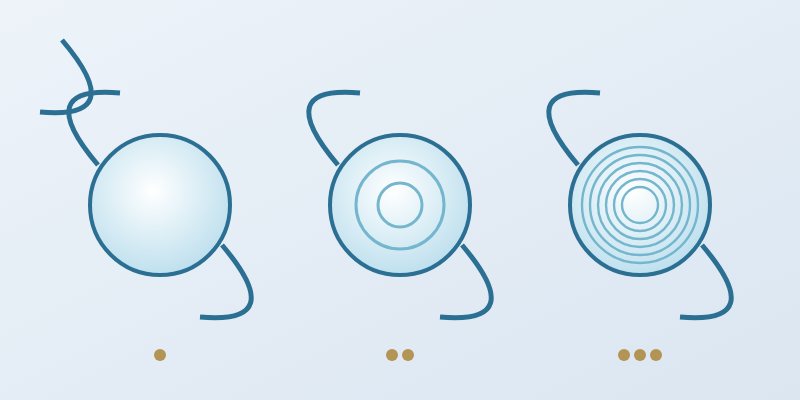
A guide to questions and criteria for discussing lens selection with your doctor.
Read article ↗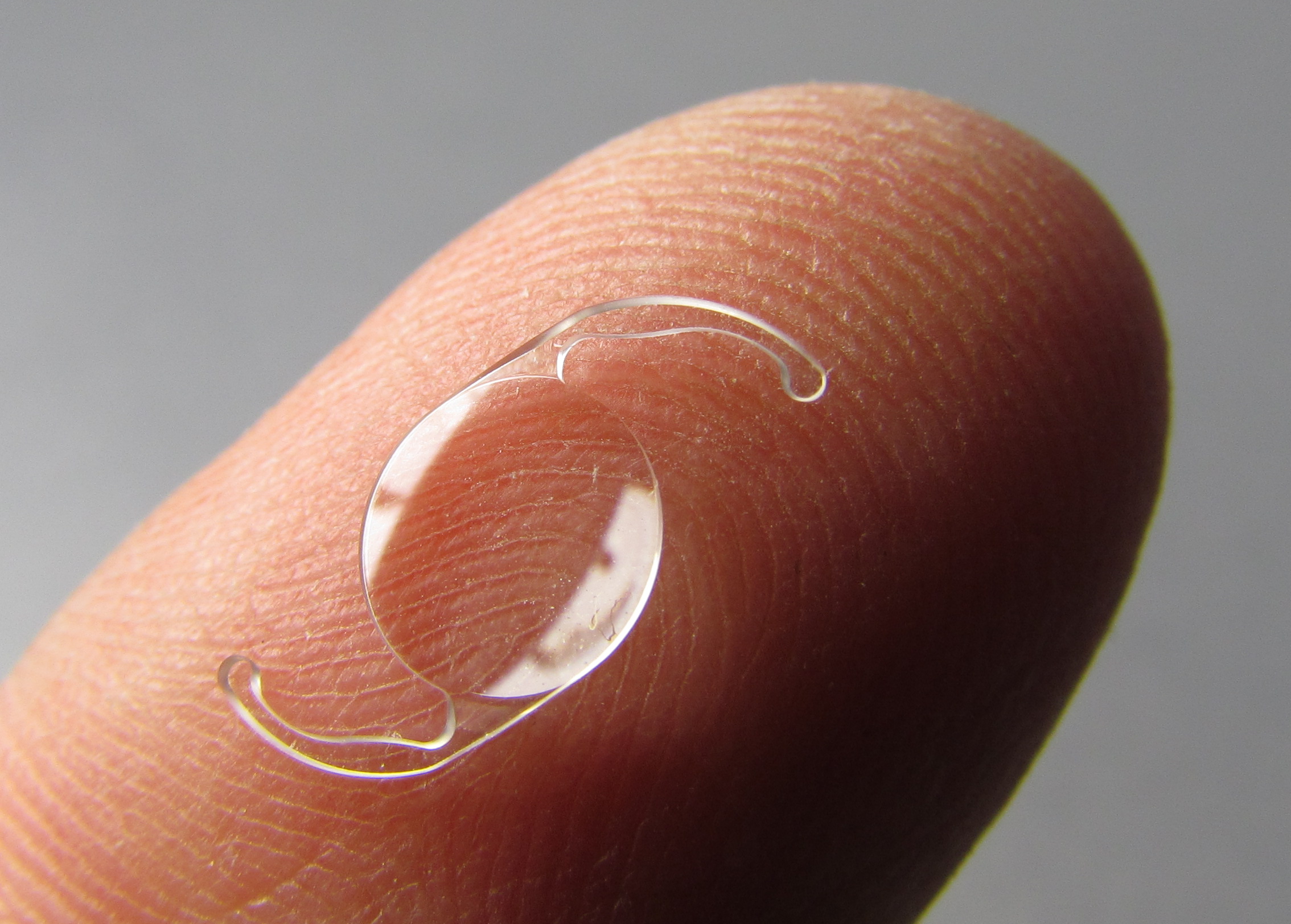
Astigmatism correction, digital guidance and a comparison of monofocal, EDOF and trifocal lenses.
Read article ↗
The main risk factor is raised intraocular pressure.
Read article ↗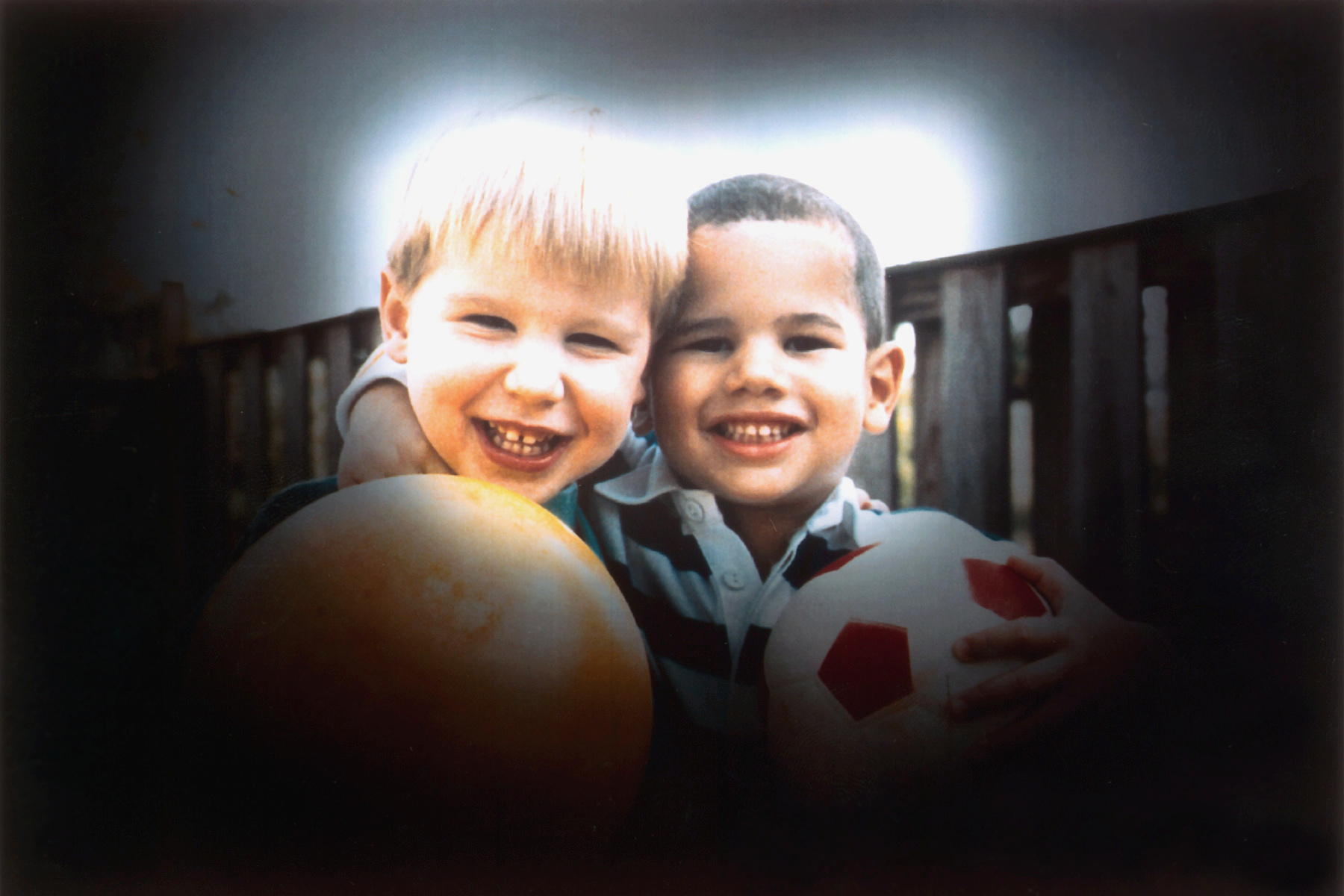
In the great majority of cases, glaucoma causes no symptoms until advanced stages.
Read article ↗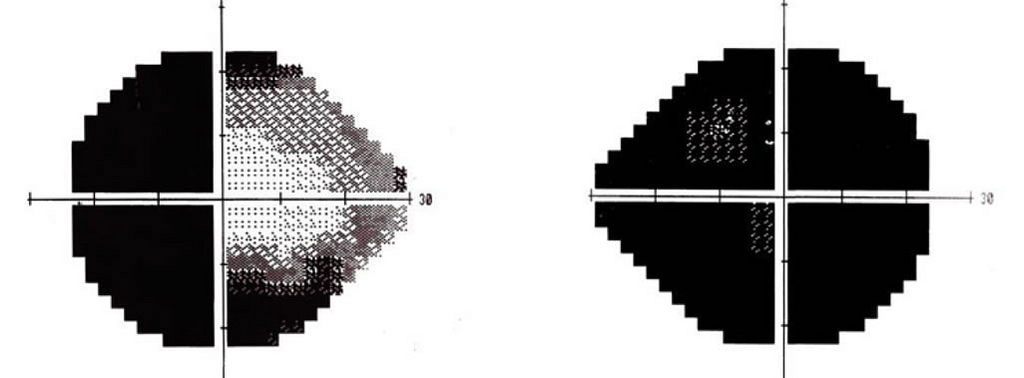
Not necessarily: the risk of having glaucoma is higher, but early diagnosis changes the outlook.
Read article ↗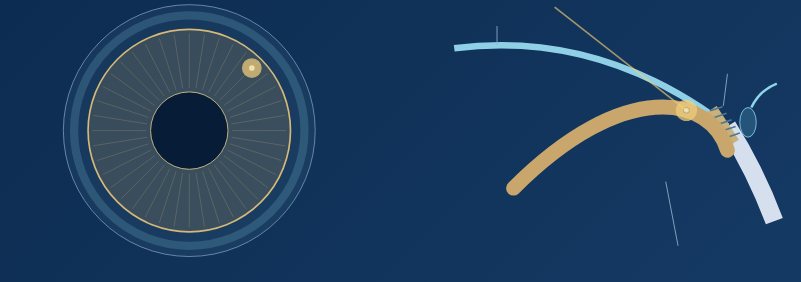
There is no rule: it depends on the type of glaucoma, its stage and its treatment.
Read article ↗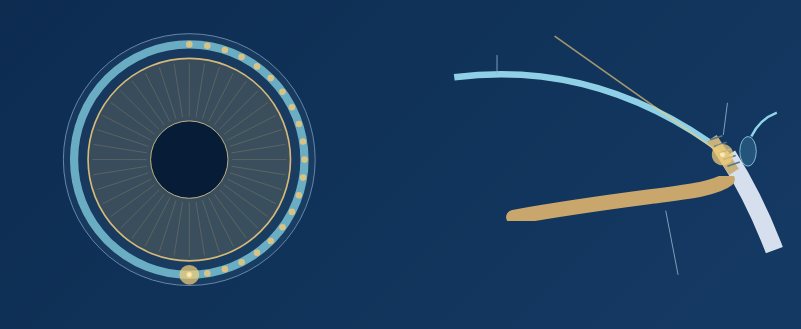
Generally not: they control pressure and halt progression, but do not restore lost vision.
Read article ↗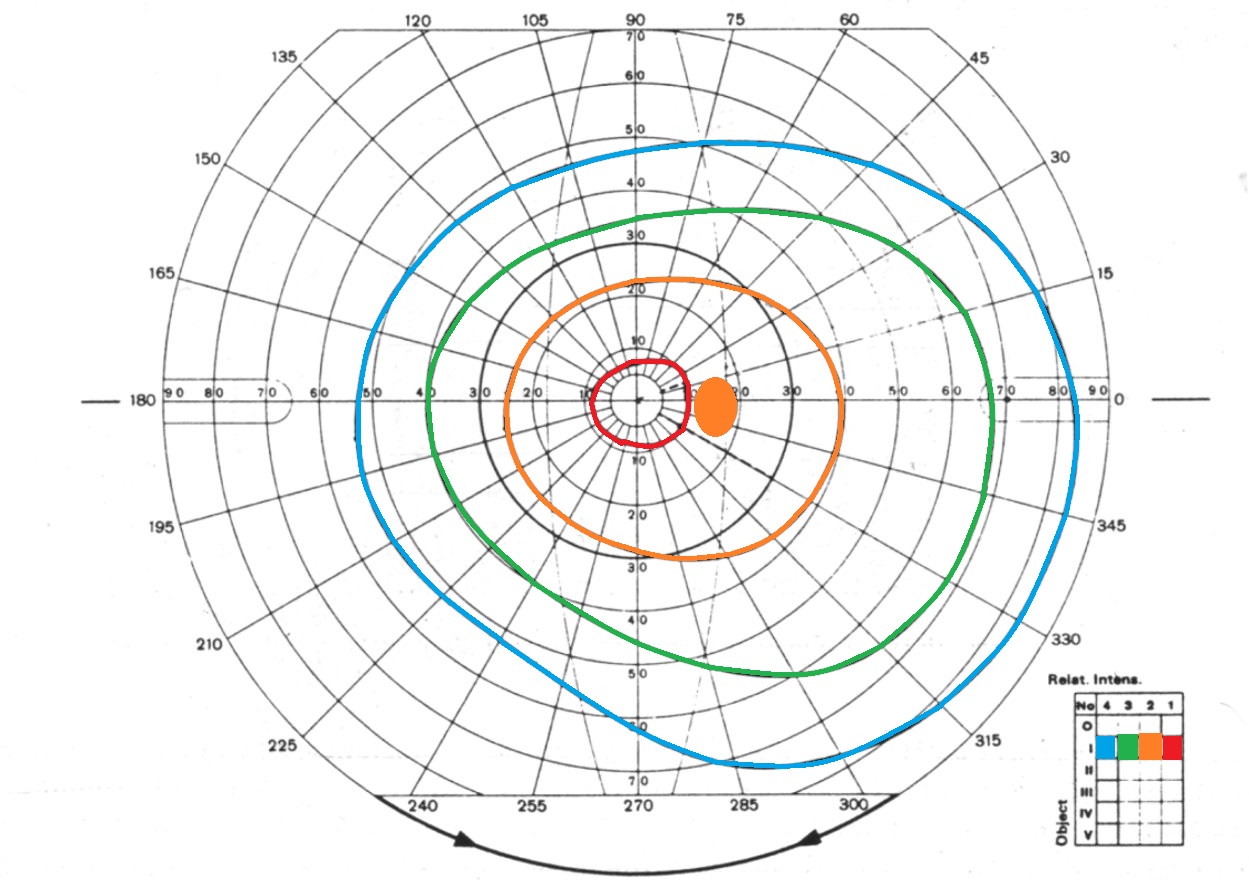
No: vision loss caused by glaucoma is irreversible.
Read article ↗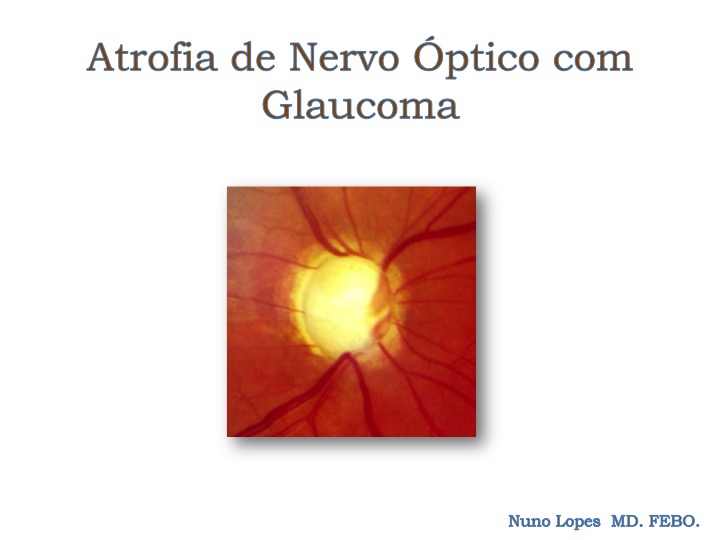
No: with early diagnosis and treatment, only a minority of patients lose their sight.
Read article ↗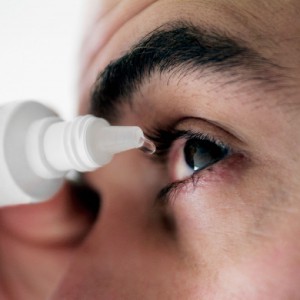
Wash your hands, tilt your head back, pull down your lower eyelid and let one drop fall, without touching the eye with the bottle.
Read article ↗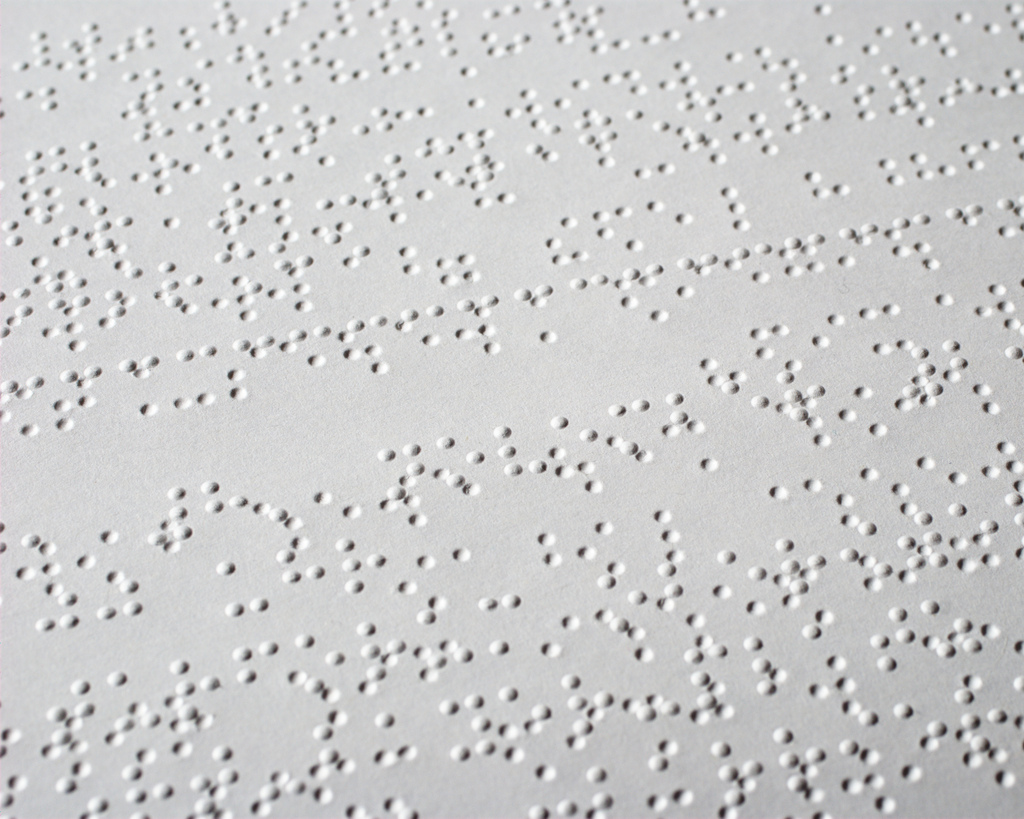
Information on low vision, support and visual disability. Download the information document Association for Blind and Partially Sighted People –…
Read article ↗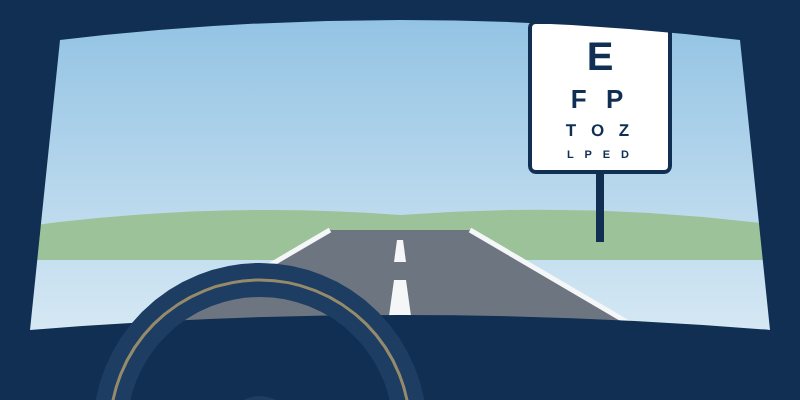
Vision is one of the conditions assessed to obtain or renew a driving licence.
Read article ↗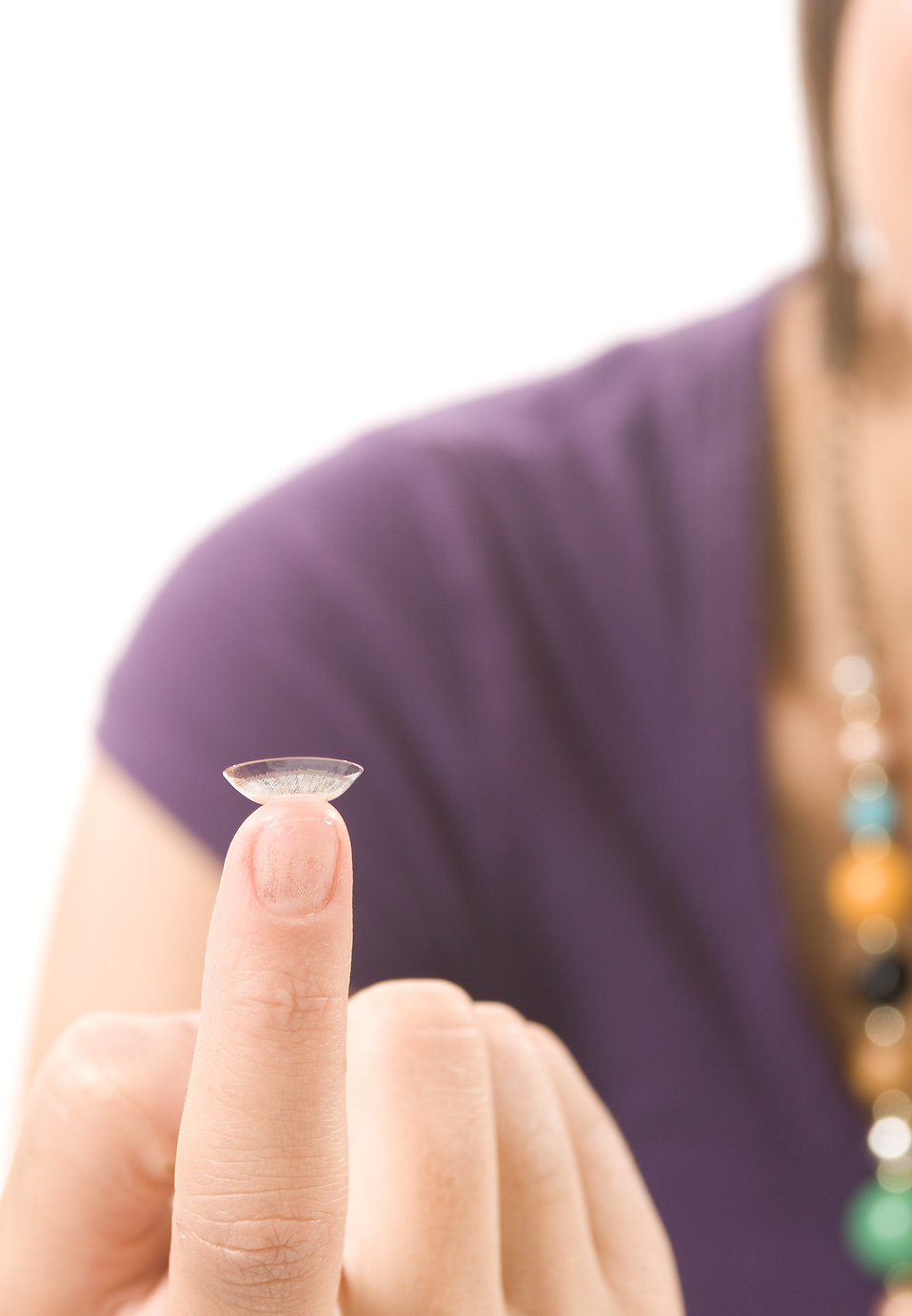
Read the care guide for contact lens wearers. Download the contact lens guide
Read article ↗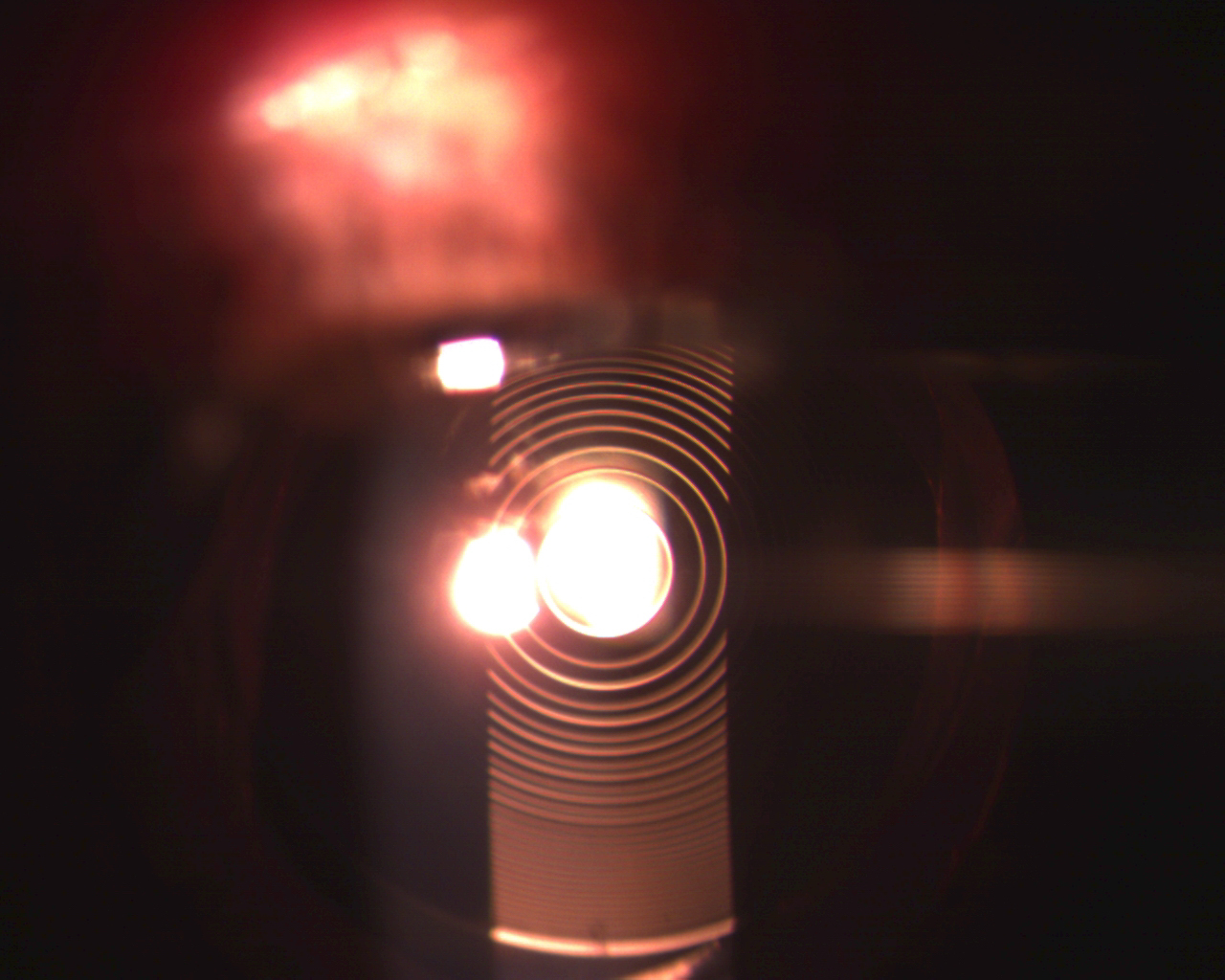
After cataract surgery, follow the individual instructions given by your surgical team.
Read article ↗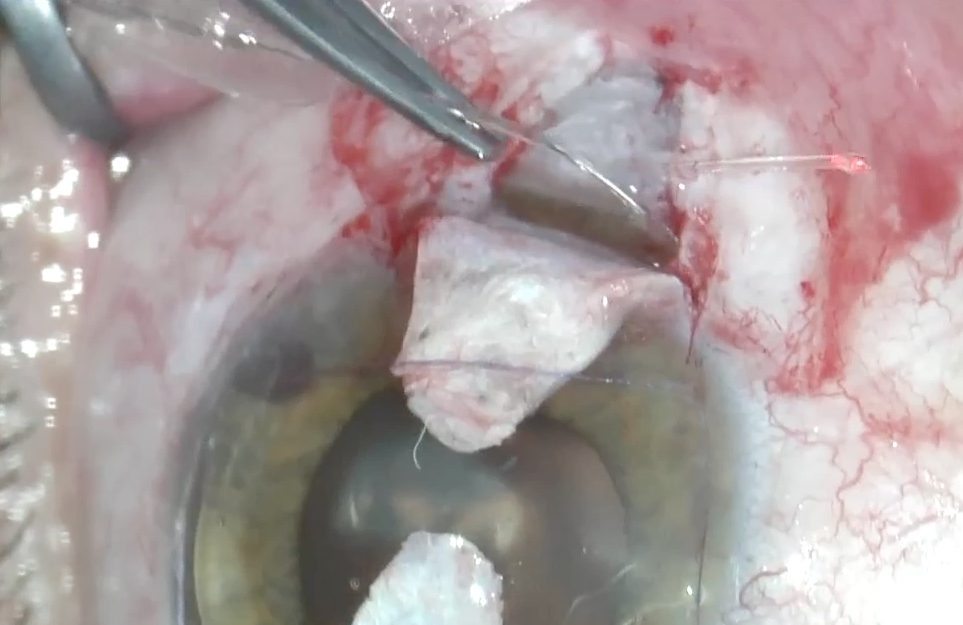
Canaloplasty is a glaucoma operation that aims to restore the eye’s natural drainage pathway instead of creating a new one.
Read article ↗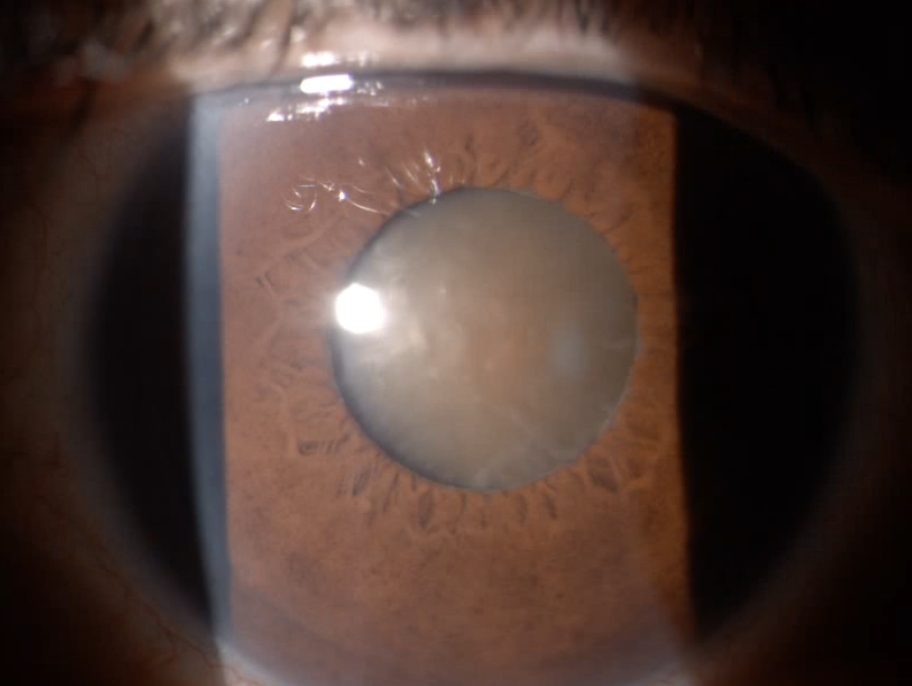
Routine cataract surgery is now a highly predictable procedure, but some eyes require planning and additional techniques.
Read article ↗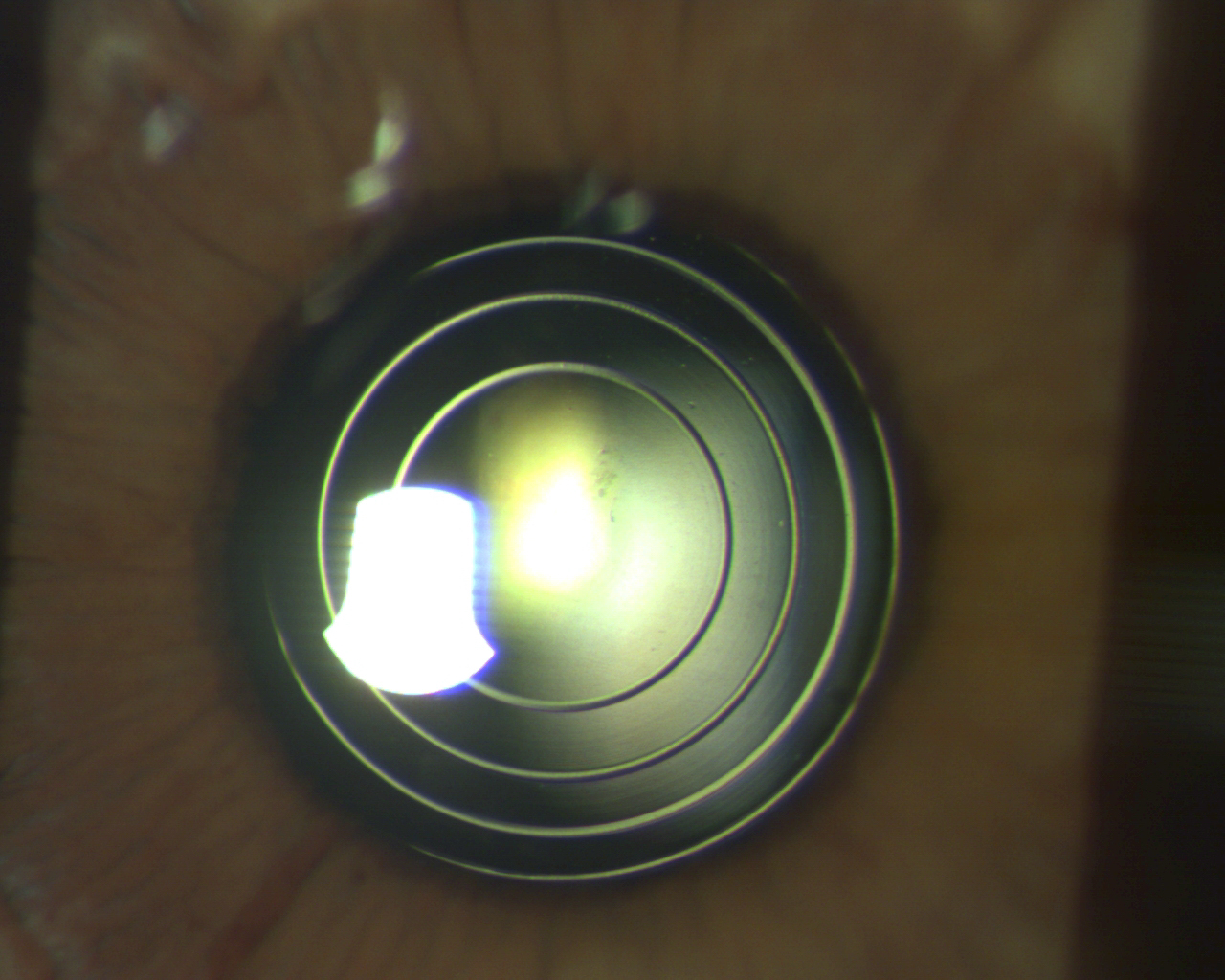
The natural lens, while still clear, is replaced with an intraocular lens chosen to reduce dependence on glasses.
Read article ↗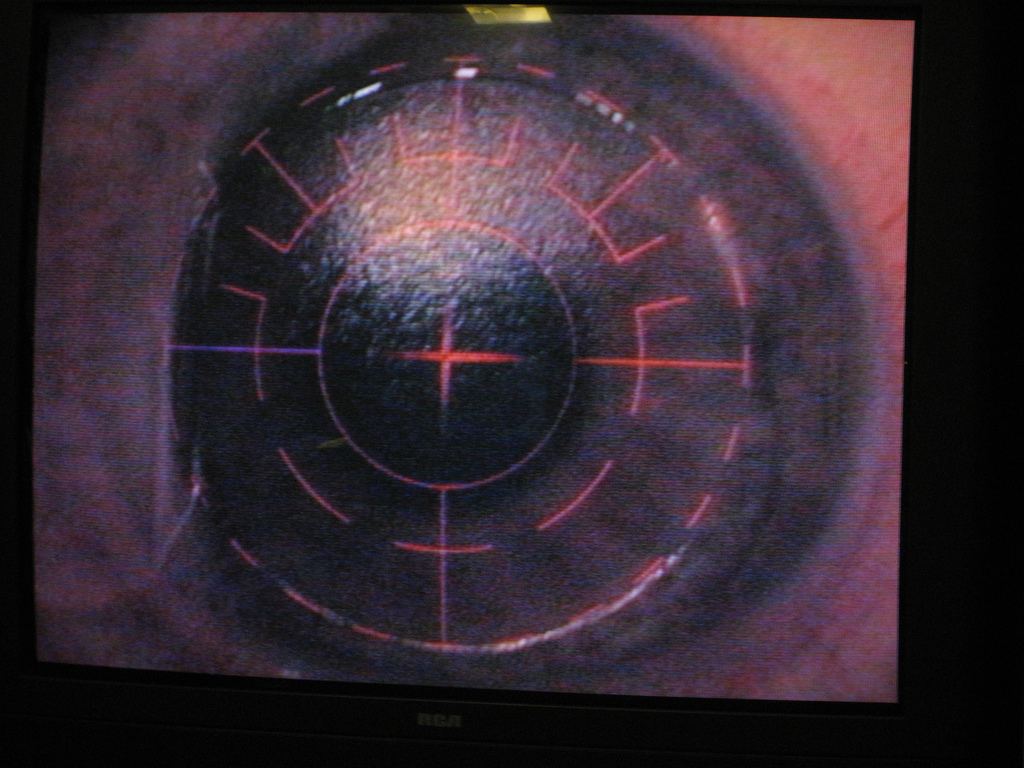
The laser reshapes the cornea to correct short-sightedness, long-sightedness and astigmatism and reduce dependence on glasses or contact lenses.
Read article ↗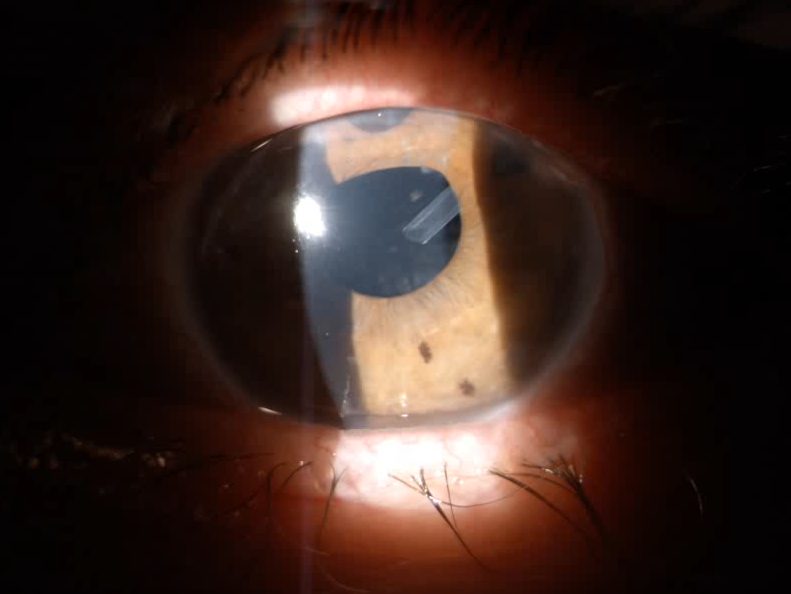
PRESERFLO, Ahmed FP7, PAUL and ClearPath: discover the implants I use and see how they help drain aqueous humour.
Read article ↗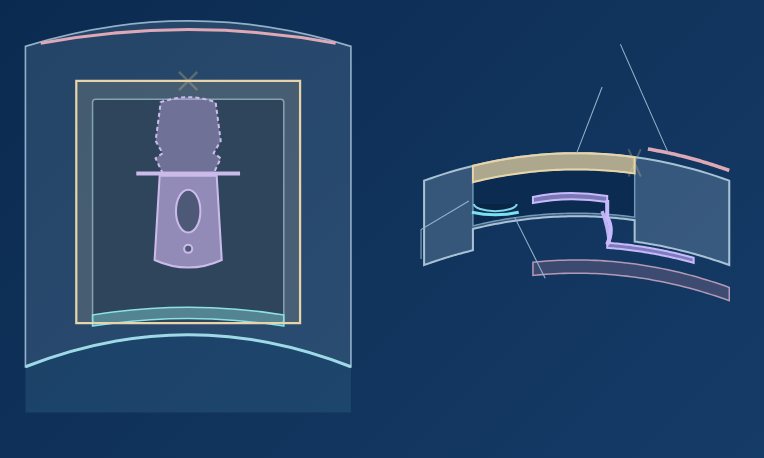
It is a non-penetrating glaucoma operation: the aqueous humour leaves the eye through a very thin natural membrane, without opening the inside of the eye directly.
Read article ↗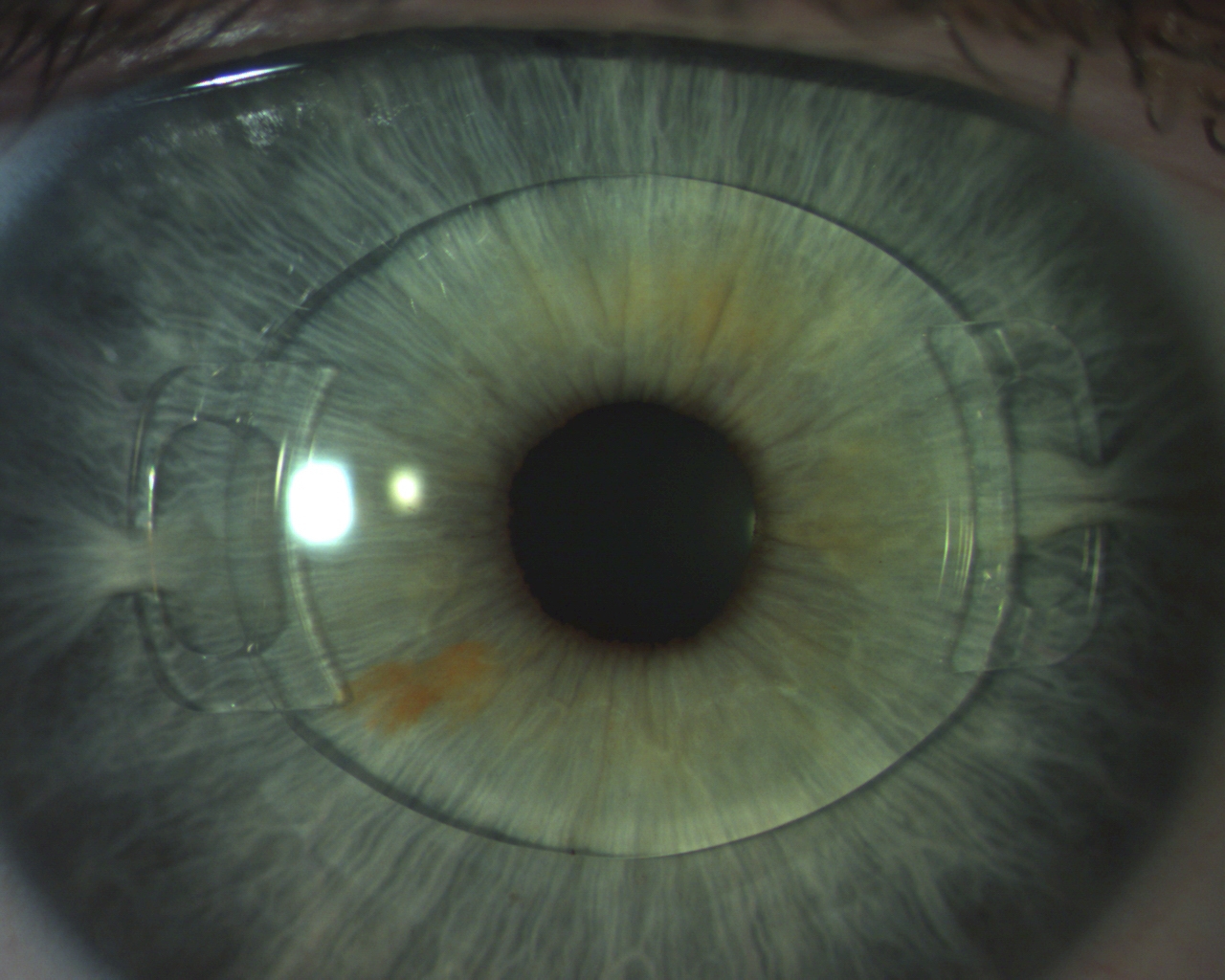
A lens is implanted inside the eye, without removing the natural lens, to correct high prescriptions.
Read article ↗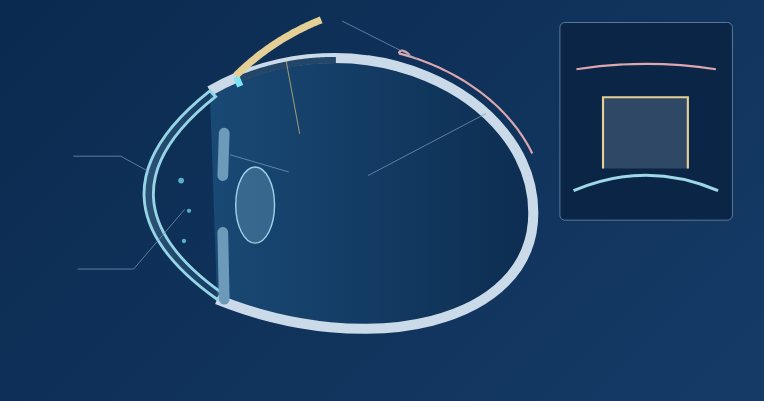
Learn about safer trabeculectomy and explore an animation of drainage controlled by a scleral flap, following an approach similar to Moorfields Safer Surgery.
Read article ↗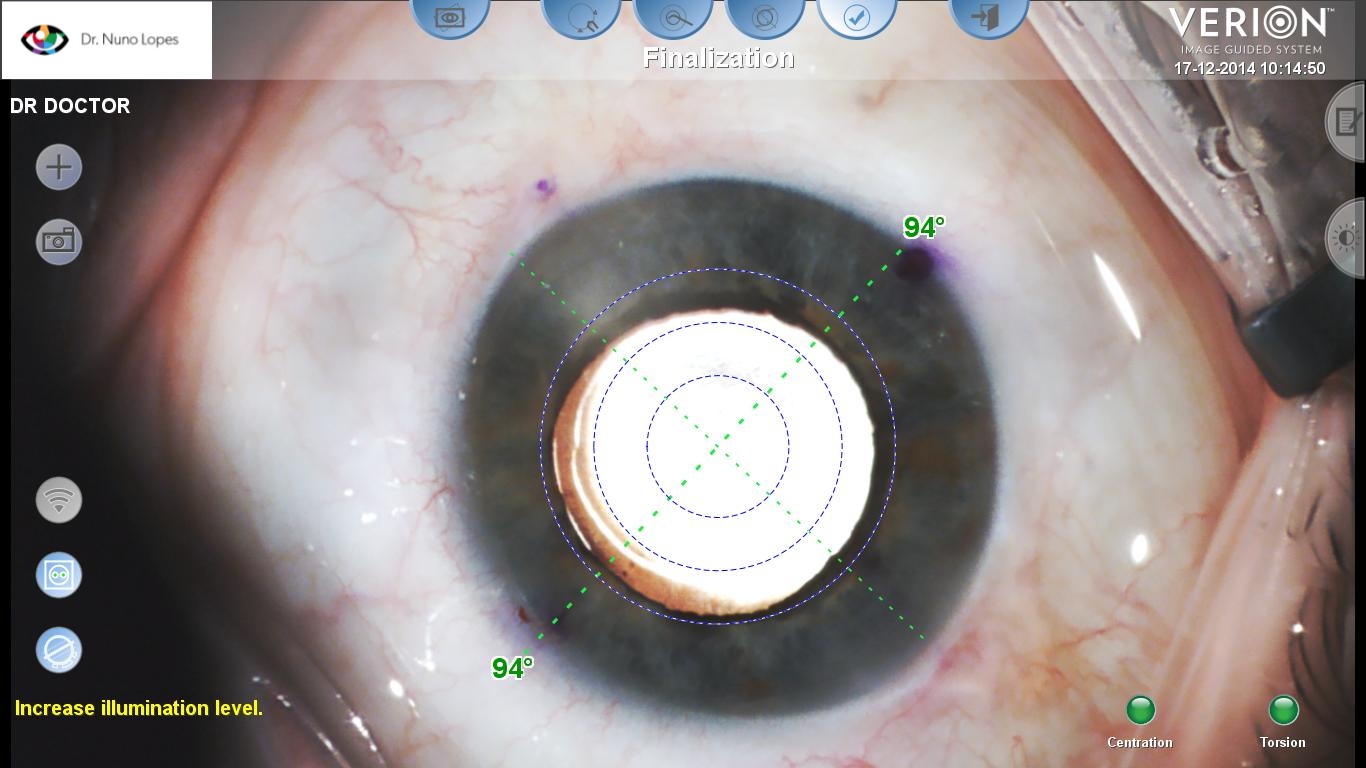
Alcon – VERION and ZEISS CALLISTO eye: digital guidance systems I use to support cataract surgery and alignment of toric intraocular lenses.
Read article ↗No content found. Try another search.